Voter ID Laws Spark Fierce Debate: 80% Back ID, GOP Claims Fear
Republican Senator Roger Marshall criticized Democratic opposition to voter ID laws, citing broad public support for such measures. He questioned the motives behind the Democratic stance, suggesting it may stem from fear and hinder election security. Polling indicates over 70% of Americans, including a significant portion of Democrats, favor requiring identification to vote.

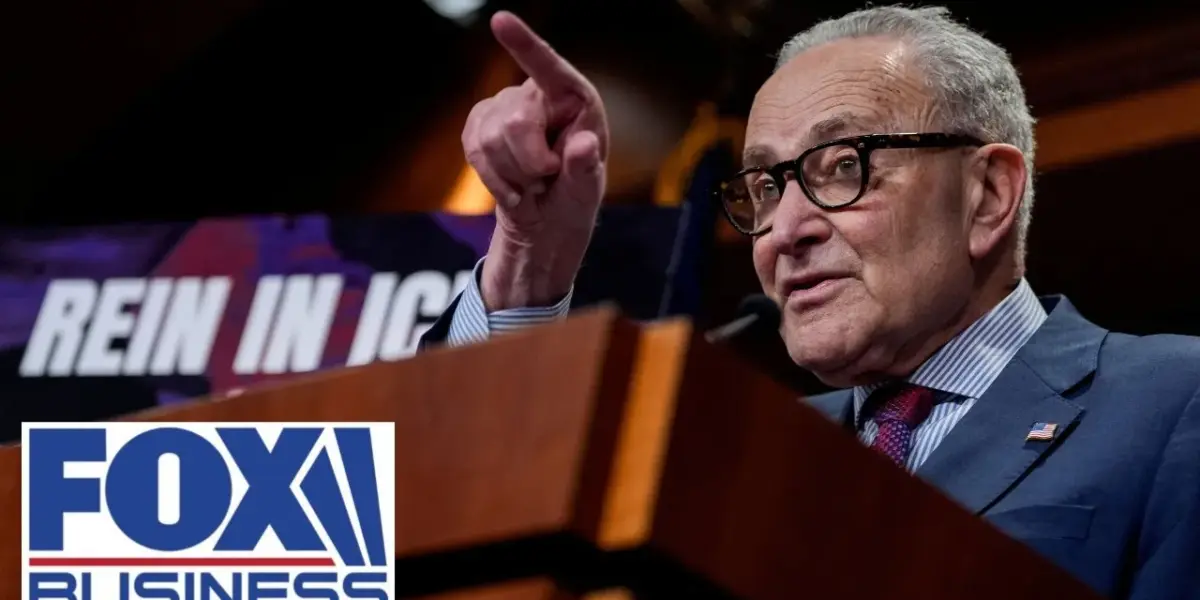
GOP Senator Slams Opposition to Voter ID Laws
A push for stricter voter identification laws is igniting a heated debate in Washington. Republicans argue that requiring a photo ID to vote is common sense and essential for election security. However, Democrats have largely opposed these measures, leading to strong criticism from the GOP.
Majority Backs Voter ID, Polls Show
Senator Roger Marshall, a Republican from Kansas, highlighted polling data suggesting broad public support for voter ID. “It is a simple thing; 70% of America, Democrats support Voter ID. 80% of Americans do,” Senator Marshall stated. He questioned why it’s so difficult to find ten Democratic senators to support the measure. “Why can’t we get ten Democrats to cross the line to make sure that our elections are safe and secure?” he asked.
Recent surveys indicate that nearly three out of four voters favor voter ID laws. This support cuts across party lines, with 91% of Republicans, about half of Democrats, and seven out of ten independent voters agreeing. Despite this widespread backing, the legislation faces significant hurdles in the Senate.
Concerns Over Election Integrity
Senator Marshall pointed to a broader trend of declining public confidence in election processes. “About 60% of Americans have lost confidence in the elections, why?” he questioned. He suggested that concerns about non-citizens voting and the expansion of mail-in ballots contribute to this distrust. “Maybe there are 30 million non-American citizens living in this country right now, and they opened up the unsolicited ballots as well, then you’ve got problems,” he added.
The push for voter ID comes as many states and even other nations already require identification for various activities. For instance, 36 U.S. states currently have some form of voter ID law. Globally, 171 nations require identification to vote. Americans need to show ID to perform many everyday tasks, such as flying on a plane, renting a hotel room, or even adopting a child.
Democrats’ Stance Under Scrutiny
Republicans are questioning the Democratic opposition, suggesting it stems from fear. “So what are the Democrats afraid of?” Senator Marshall asked. He proposed focusing on the core issue of voter identification. “Let’s get them on record saying they want Voter ID, and if they have concern about us verifying any type of mail-in ballots, let’s talk about that.” He also suggested addressing concerns about verifying citizenship for voting.
“For some reason, they are very, very scared of this. But again, at least 60% of Americans are concerned about the election process right now. Let’s do everything we can to make them safe and secure. That’s just common sense.”
Constitutional Basis and ‘Trust But Verify’
When questioned about Democratic arguments, such as those made by House Minority Leader Hakeem Jeffries, Senator Marshall reiterated the constitutional requirement for citizenship. “The U.S. Constitution makes clear that only citizens can vote. That’s a constitutional requirement, and states are free to implement that requirement as best they see fit,” Jeffries stated. Senator Marshall agreed that states must follow the Constitution but emphasized the need for verification.
Drawing a parallel to everyday financial transactions, he invoked the phrase “trust but verify.” “When you use your credit card to get a hotel room, to hop on a plane, what do we do? Trust but verify who you are,” he explained. He questioned why this principle shouldn’t apply to voting. “Why object to trust and verify? And my legal vote is not canceled out by somebody else?”
Concerns About Non-Citizen Voting
The debate also touched upon the issue of non-citizens potentially voting. While some studies suggest this is rare, Senator Marshall expressed skepticism about their methodology. He raised concerns that some states and municipalities might be registering non-citizens for local elections. “Many states, municipalities are registering illegal aliens for elections in their own communities, perhaps their own county,” he stated.
Market Impact
While this debate is primarily political, it touches on fundamental aspects of democratic processes that underpin market stability. Investor confidence can be indirectly affected by perceptions of election integrity. Widespread concerns about election security could lead to increased market volatility, particularly if they are seen as hindering smooth political transitions or policy implementation.
What Investors Should Know
Investors should monitor legislative developments regarding election laws, as they can signal shifts in political priorities and potentially impact voter turnout or the perceived legitimacy of election outcomes. While direct financial impact is not immediate, a prolonged debate or significant changes in election laws could influence investor sentiment regarding the stability and predictability of the U.S. political system. The broad public support for voter ID suggests it remains a significant issue that politicians will continue to address, potentially influencing future election cycles.
Source: 'What are Dems so afraid of?': GOP senator SLAMS opposition to voter ID laws (YouTube)

Related Articles
House Republicans Reject Senate Deal, Sparking Government Funding Clash
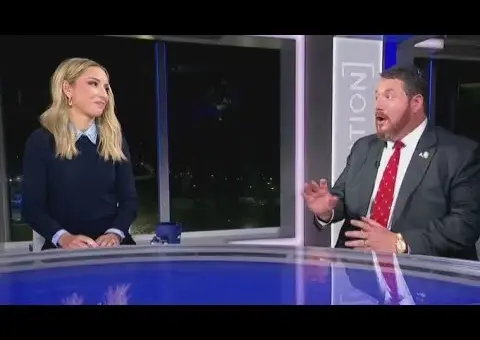
House Republicans have rejected a Senate bill to end the government shutdown, citing insufficient border security measures. Congressman Randy Fine called the Senate deal a "disgrace" and highlighted the ongoing fight for full government funding. President Trump's executive order to pay TSA agents offers temporary relief, but the core disagreement over border security continues to paralyze Washington.
Voter ID: Common Sense or Suppression?
A growing debate surrounds voter ID laws, with proponents calling them a common-sense measure against fraud and opponents fearing voter suppression. Many countries and U.S. states already require ID to vote.
MAGA Voters Divided Over Potential Iran War
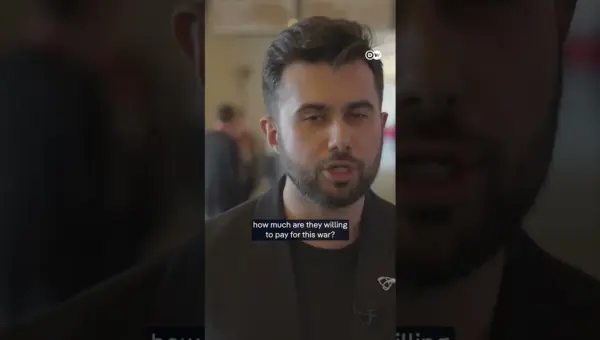
The potential for a US war with Iran has sparked debate at CPAC, revealing a divided MAGA base. While some support military action, many express concerns over prolonged conflicts and rising economic costs, particularly higher gas prices.