US Faces Iran War Alone, Allies Reject Call to Arms
The US faces the daunting task of forcing open the Strait of Hormuz alone after allies rejected President Trump's call for help. This potential conflict, marked by a senior official's resignation citing deception, carries significant global economic and geopolitical risks.

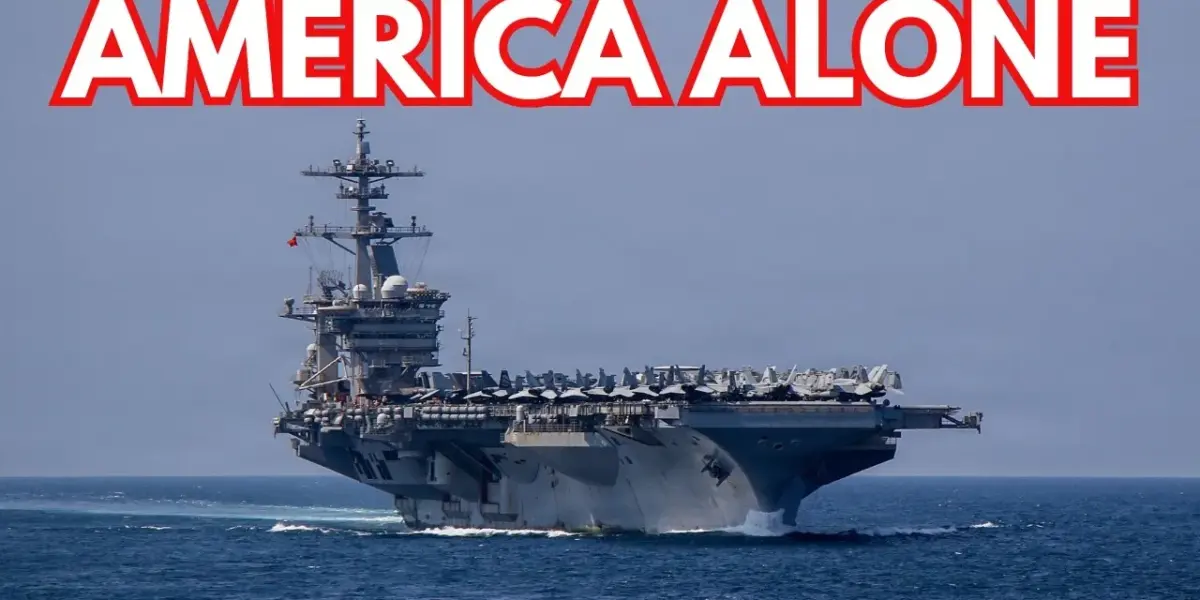
US Faces Iran War Alone, Allies Reject Call to Arms
The United States is reportedly preparing to force open the Strait of Hormuz with its military. This comes after President Trump’s request for help from allies was met with widespread rejection. Many nations stated they would not join a military operation against Iran, leading the US to consider acting alone. This situation has also seen the first senior US official resign, citing the conflict as the reason and claiming the President was misled into starting it.
The Critical Chokepoint: Strait of Hormuz
The Strait of Hormuz, a narrow waterway between Iran and the Arabian Peninsula, has become the focal point of the conflict. It’s a vital route for global oil transport. Most experts and war games predicted that Iran would shut down the strait using mines. However, Iran has employed a different strategy, using drones to target commercial vessels. This method allows Iran to control which ships pass through, effectively closing the strait without completely blocking it.
While some Iranian and allied vessels have been allowed passage, this selective closure still disrupts global trade and impacts economies worldwide. The longer the strait remains partially closed, the greater the pressure mounts on leaders to find a resolution and stabilize oil prices and the global economy. An earlier assumption was that Iran would not sustain such a closure due to the damage to its own economy. Iran’s drone strategy bypasses this concern.
International Support Falters
Facing mounting pressure, the US reached out to its allies for assistance in reopening the strait. The operation is expected to be lengthy and potentially open-ended. However, many key allies, including Germany, Japan, Australia, Britain, and Greece, have refused to participate. Their reasons range from not considering it their war to having no plans for naval escorts in the region.
South Korea offered conditional support, suggesting help only after fighting stops, which is not helpful for immediate needs. Building a coalition after hostilities have begun is significantly harder than doing so beforehand. The lack of broad international support means the US may have to undertake this complex military operation largely on its own.
President Trump’s Reaction and Military Requirements
President Trump expressed frustration with the allies’ response, stating the US no longer needs or desires their assistance. This strong reaction has been interpreted by some as a sign of anger and a desire to project strength. However, it also highlights the challenging reality of the US potentially acting unilaterally.
Opening the Strait of Hormuz alone would require a substantial and sustained military effort. According to a Wall Street Journal piece by Rear Admiral Mark Montgomery, this includes:
- Degrading Iran’s missile, mine, drone, and unmanned combatant capabilities.
- Maintaining constant intelligence, surveillance, and reconnaissance (ISR) over a wide area around the strait.
- Keeping fighter jets overhead during convoy operations to intercept threats.
- Having armed helicopters ready to attack small boats along the coastline.
- Deploying 10 to 14 destroyers with advanced air defenses to escort ships.
This is not a one-time mission but a continuous effort, much like counter-terrorism operations where defenders must be right 100% of the time, while adversaries only need to succeed once. The commercial vessels are unwilling to risk passage due to the ongoing threat, even if attacks are not constant.
A Long-Term Commitment and a Resignation
The military operation to keep the Strait of Hormuz open would require a persistent presence for weeks, months, or even years. This raises concerns about the potential for a much longer-term conflict. The underlying issue, many argue, is the Iranian regime itself.
Adding to the complexity, a senior US official, Joe Kent, Director of the National Counterterrorism Center, resigned. Kent stated he could not support the war in Iran, believing it was initiated under pressure from Israel and its American lobby, not due to an imminent threat to the US. He alleged a misinformation campaign deceived the administration into believing a swift victory was possible. His statement has drawn varied reactions, with some praising his integrity and others viewing it through a partisan lens.
Political Divisions and Future Outlook
Kent’s resignation has become a political talking point. Democrats point to it as evidence of a faltering coalition and a Trump appointee’s dissent. Republicans are divided, with some staunchly supporting Trump and dismissing Kent, while others, particularly those with military backgrounds, applaud his stance.
Public support for the conflict in the US is reportedly below 50%, although polls within specific groups, like Republican or MAGA supporters, show higher approval. This lack of broad public backing could encourage other politicians to voice opposition. Conversely, the departure of dissenting voices like Kent might solidify the resolve of those within the administration who favor aggressive action, potentially leading to the appointment of someone more aligned with the President’s war policies.
The situation underscores the immense challenge of reopening the Strait of Hormuz. It requires significant military resources and a sustained commitment, all while facing international skepticism and internal political divisions. The path forward suggests a potential for a prolonged and costly engagement, raising questions about the long-term strategy and its ultimate goals.
Why This Matters
The potential closure of the Strait of Hormuz is not just a regional issue; it’s a global economic crisis in the making. This narrow waterway is crucial for the world’s oil supply. Any disruption directly impacts energy prices, affecting everything from gas at the pump to the cost of goods worldwide. The US decision to potentially act alone highlights shifting alliances and the increasing burden on American military power. Furthermore, the resignation of a senior counter-terrorism official, citing deception and foreign influence as reasons for war, raises serious questions about the decision-making process and the integrity of the intelligence used to justify military action. This event could signal a more protracted and isolated conflict, with significant geopolitical and economic consequences for years to come.
Source: Forcing Open the Strait of Hormuz (YouTube)

Related Articles

U.S. Iran Tensions Rise Amid Shifting Alliances
Rising tensions between the U.S. and Iran are creating a volatile geopolitical situation. With conflicting signals on de-escalation and potential shifts in alliances like NATO and U.S.-Israel relations, the path forward remains uncertain. The global economy and regional stability hang in the balance.


Iran Targets US With Cyberattacks, Escalating Digital Warfare
Iran is increasingly using cyberattacks to challenge the U.S., as seen in a recent hack of the FBI director's account. Experts say this is a strategic shift due to Iran's limitations in conventional warfare. The U.S. needs to strengthen its digital defenses, focusing on encryption and cloud computing, rather than solely relying on traditional security measures.

Ukraine Strikes Russian Oil Refinery, Eyes Iran Threat
Ukrainian forces struck a key Russian oil refinery, disrupting Moscow's war capabilities. Meanwhile, Finland's president urged continued U.S. support for Ukraine, as Kyiv shares its air defense expertise globally amid growing geopolitical complexities involving Iran and potential sanctions against Hungary.