US Drains Oil Reserves to Combat Soaring Gas Prices
The U.S. has released 172 million barrels from its Strategic Petroleum Reserve to combat surging gas prices. This move aims to increase global oil supply and lower costs at the pump. The Strategic Petroleum Reserve acts as a national emergency oil tank, established to buffer against supply disruptions.

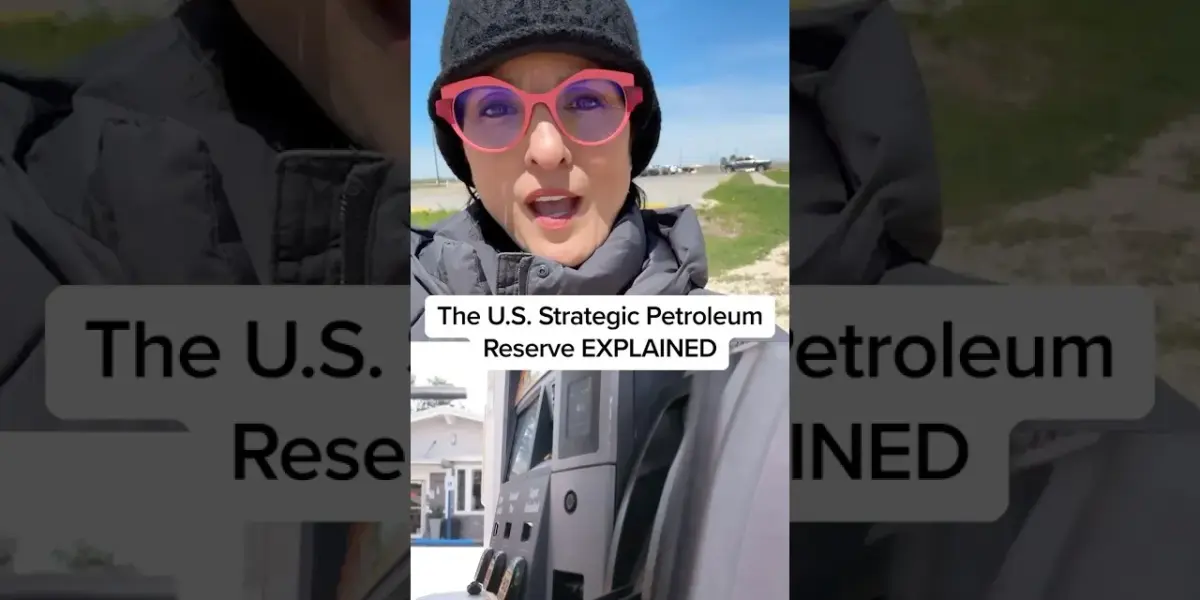
US Drains Oil Reserves to Combat Soaring Gas Prices
In a significant move to lower fuel costs, the United States has authorized the release of 172 million barrels of oil from its Strategic Petroleum Reserve (SPR). This action comes as gas prices have reached record highs, impacting consumers nationwide. The decision aims to increase the global supply of oil, which in turn is expected to bring down prices at the pump.
What is the Strategic Petroleum Reserve?
The Strategic Petroleum Reserve is the world’s largest supply of emergency crude oil. It was established by the U.S. government in 1975 following the oil crisis of the early 1970s. The reserve’s main purpose is to provide a buffer against major disruptions in the oil supply. These disruptions could be caused by natural disasters, war, or other political events that affect oil-producing nations.
Think of the SPR as a giant emergency gasoline tank for the entire country. It holds millions of barrels of crude oil in underground caverns along the Gulf Coast. The government can tap into this reserve when there’s a severe shortage of oil, helping to keep the economy running and prices stable.
Why is the US Releasing Oil Now?
The decision to release oil from the SPR is a direct response to the current surge in gasoline prices. Several factors have contributed to this spike. Global oil production has struggled to keep up with demand as economies recover from the COVID-19 pandemic. Additionally, geopolitical tensions, particularly the conflict in Ukraine, have disrupted global energy markets and led to uncertainty about future supply.
By releasing a large volume of oil, the U.S. hopes to flood the market with supply. This increased availability should help to reduce the price of crude oil. Lower crude oil prices, in theory, should then translate into lower gasoline prices for consumers. This is a strategy the government has used before during periods of high energy costs.
How Will This Affect Gas Prices?
The impact of this large-scale release on gas prices is anticipated to be noticeable, though the exact amount of savings is debated. When more oil is available on the market, the price of oil tends to fall. This is basic supply and demand. If the cost of crude oil goes down, the cost for refineries to produce gasoline also decreases.
However, gas prices are influenced by many things, not just the cost of crude oil. Refinery operations, distribution costs, and taxes all play a role. While the SPR release is a significant intervention, it might not completely solve the problem of high gas prices. Experts suggest that while consumers may see some relief, the overall price will still depend on global market conditions and ongoing supply issues.
Broader Implications and Future Outlook
The release of 172 million barrels is one of the largest withdrawals from the SPR in history. This highlights the severity of the current energy crisis and the lengths the government is willing to go to provide relief. It also raises questions about the long-term strategy for managing the SPR.
While this move is intended to provide immediate relief, it also draws down the nation’s emergency supply. The government will eventually need to replenish the reserve, which could lead to future spending. The effectiveness of this strategy will be closely watched by consumers, energy markets, and policymakers alike. The ongoing global energy situation means that further actions or market shifts could still occur.
Looking ahead, the success of this oil release in stabilizing prices will be a key indicator. Consumers will be watching their local gas stations for price drops. Meanwhile, analysts will be monitoring global oil production and demand trends. The U.S. government’s commitment to energy security and affordability remains a central focus.
Source: The U.S. Strategic Petroleum Reserve EXPLAINED (YouTube)

Related Articles


Scout’s Range Extender: A Hybrid Solution for High Gas Prices?
With gas prices soaring, the upcoming Scout SUV featuring a range extender could be the perfect solution for drivers seeking flexibility. This innovative hybrid system combines electric power with a gasoline generator, offering both efficiency and extended travel capability without range anxiety.


Inslee Slams Trump on Economy Amidst Rising Gas Prices
Former Washington Governor Jay Inslee strongly criticized former President Donald Trump's economic policies and his response to rising gas prices. Inslee slammed Trump as 'out of touch with reality' amidst market turmoil and the closure of the Strait of Hormuz. He also warned of potential legislative efforts to shield the oil and gas industry from climate change accountability.


Trump’s Iran War Hits Snag: Gas Prices Soar, Allies Fume
President Trump's war in Iran enters its 27th day with rising gas prices and Wall Street turmoil. Despite Iran rejecting his terms, the President appears more focused on domestic issues like pen quality than the escalating conflict. Allies and military officials express concern as the Pentagon prepares for potential escalation.