Israel Strikes Iran’s Security Forces, Weakening Regime
Israel has targeted key figures within Iran's security forces, reportedly eliminating hundreds of militia members and a high-ranking official. These actions aim to weaken the regime's control amidst growing internal pressure and potential for public dissent.

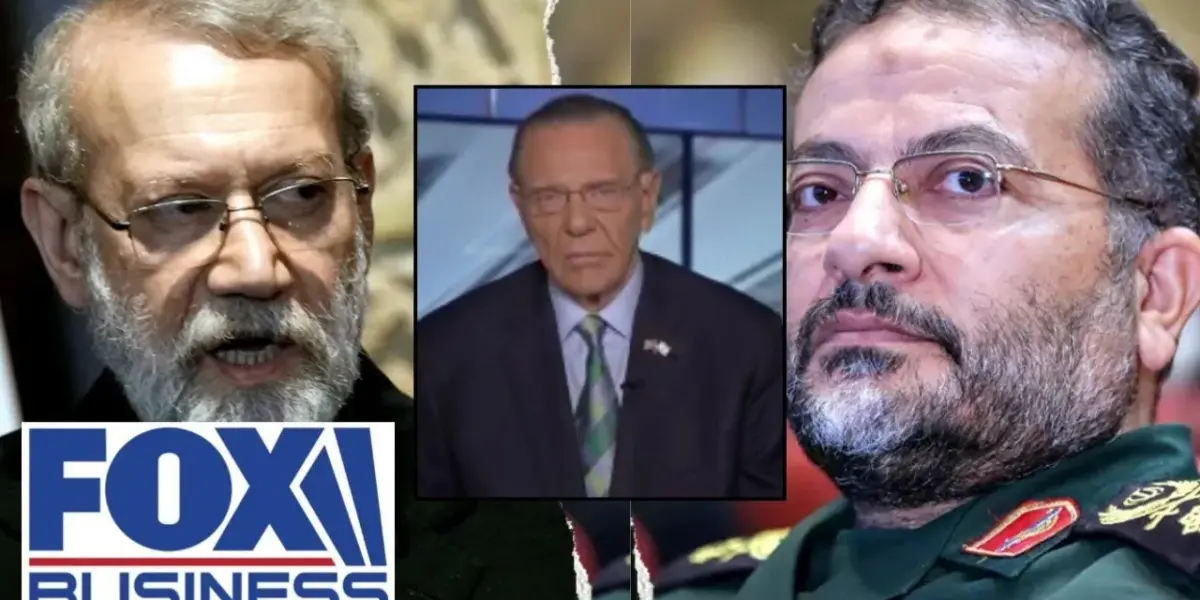
Israel Targets Iran’s Security Apparatus, Disrupting Regime Control
In a significant move, Israel has conducted operations targeting key figures within Iran’s security forces, aiming to weaken the regime’s grip on power. These actions have reportedly led to the elimination of hundreds of militia members, including a high-ranking official responsible for suppressing civilian dissent.
Key Figures Eliminated in Security Crackdown
Sources indicate that a pivotal figure, identified as Larijani, who was appointed as an interim successor and had been effectively running Iran for the past 18 months, was targeted. Larijani was reportedly in charge of the security forces responsible for the killings of tens of thousands of civilians. His elimination, along with his deputy and hundreds of other militia members, is seen as a major blow to the regime’s repressive capabilities.
The operations, attributed to Israeli intelligence gathering, including human intelligence and surveillance, were carried out with precision. The timing of these strikes is particularly notable, occurring just before a major holiday in Iran, a period when the regime typically increases its efforts to prevent public gatherings and protests.
Regime Faces Internal Pressure
The Iranian regime is under increasing pressure, both internally and externally. The crackdown on civilians has led to over 40,000 arrests, highlighting the government’s efforts to maintain control. However, the elimination of key security personnel may undermine the regime’s ability to enforce its will.
Analysts suggest that as the regime weakens, the possibility of larger public protests increases. The government is reportedly warning citizens against any public gatherings, threatening them with violence. However, past events show that such threats do not always deter the population, especially if they perceive the regime as vulnerable.
Understanding Iran’s Military Structure
Iran’s military is often described as having two main components: the Islamic Revolutionary Guard Corps (IRGC) and the regular Artesh army. The IRGC is primarily responsible for internal security and suppressing dissent, while the Artesh army, with over 300,000 personnel, is traditionally seen as more aligned with national defense and border control.
Recent operations have primarily targeted the IRGC and its associated militias. The Artesh army, composed largely of draftees, is considered less ideological and potentially more open to undermining the current regime. Reports suggest that the U.S. and Israel are engaging in discussions with some leaders within the Artesh army.
Potential for Regime Instability
The strategy appears to involve engaging with elements of the Artesh army who may be willing to break with the ruling ideologues. The aim is to create conditions that could lead to a regime collapse and potentially foster stability afterward. This approach echoes past diplomatic efforts, such as those made before the capture of Nicolás Maduro in Venezuela, where communications were established with his key subordinates.
While the outcome of these engagements is uncertain, the fact that such discussions are taking place is viewed as a positive step. The focus remains on weakening the existing regime by dismantling its security forces and exploring potential alliances with elements that might support a transition.
Market Impact
The ongoing actions in Iran have geopolitical implications that could affect global markets, particularly in the energy sector due to Iran’s role as an oil producer. Increased instability could lead to supply concerns and price volatility. Investors will be closely monitoring developments for any signs of escalation or de-escalation that could impact regional security and economic stability.
What Investors Should Know
Investors should be aware that geopolitical tensions in the Middle East, especially involving Iran, can have ripple effects across various markets. The weakening of Iran’s security apparatus by external forces could lead to internal shifts within the country, the consequences of which are currently unpredictable. Keeping abreast of intelligence reports and official statements from involved nations will be crucial for understanding potential market movements related to this evolving situation.
Source: Gen. Jack Keane: THIS is significant (YouTube)

Related Articles


Stocks Ignore War Risks, Focus on “Taco Moments”
Stock markets appear to be overlooking the severe supply chain risks stemming from the Iran conflict, focusing instead on potential diplomatic de-escalations. While the S&P 500 shows resilience, bond and commodity markets signal deep concern over disruptions to critical resources like LNG, helium, and fertilizers.

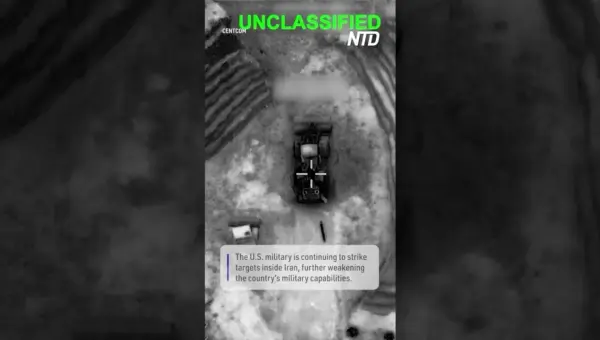
US Strikes Cripple Iran’s Military Might, CENTCOM Reports
U.S. Central Command reports ongoing strikes inside Iran are significantly weakening its military power. This direct action aims to reshape regional security dynamics, but carries risks of escalation. The long-term impact depends on Iran's response and ability to adapt.
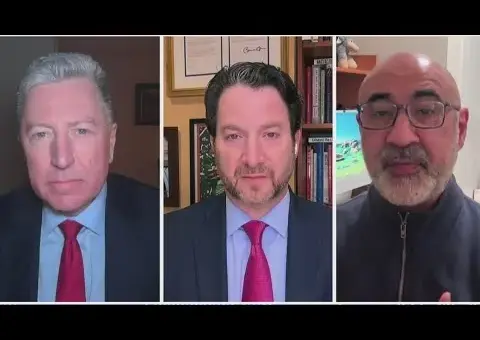
U.S. Iran Tensions Rise Amid Shifting Alliances
Rising tensions between the U.S. and Iran are creating a volatile geopolitical situation. With conflicting signals on de-escalation and potential shifts in alliances like NATO and U.S.-Israel relations, the path forward remains uncertain. The global economy and regional stability hang in the balance.