Elite Forces May Be Operating Inside Iran
Elite U.S. Special Operations Forces may be conducting covert raids inside Iran as part of "Operation Epic Fury." The operation reportedly focuses on surgically destroying command centers to prevent the closure of the Strait of Hormuz, relying heavily on air power rather than a full-scale invasion.

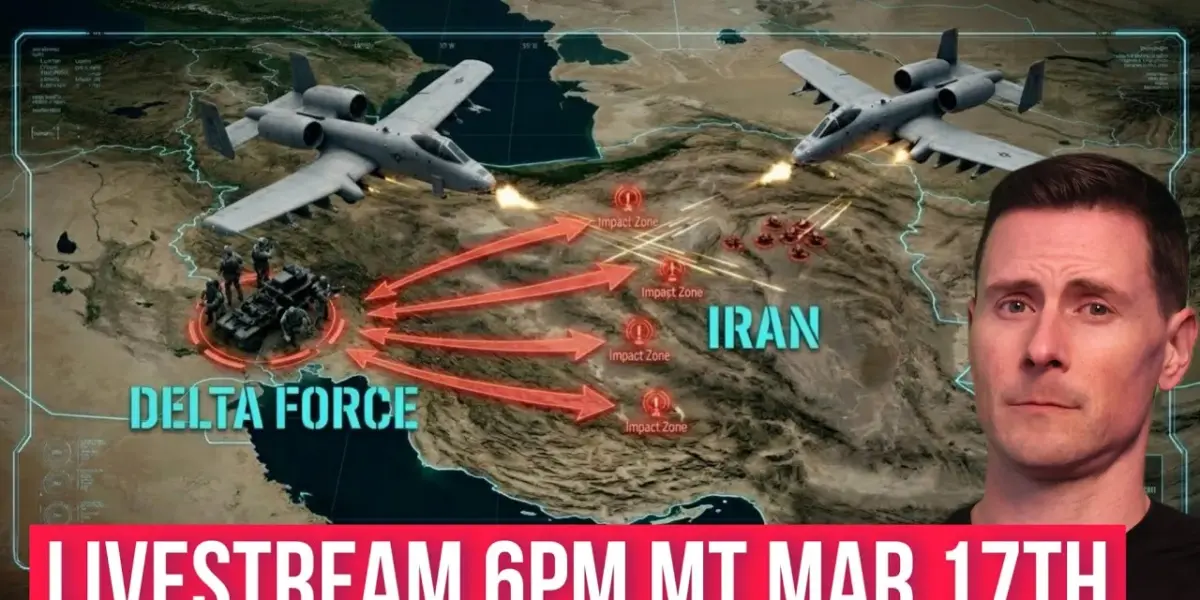
Elite Forces May Be Operating Inside Iran
The U.S. military may have already begun special operations inside Iran as part of a larger operation. This potential ground action is part of what is being called “Operation Epic Fury,” now in its 18th day. The main question is whether elite U.S. Special Operations Forces (SOF) have started a ground invasion. Sources suggest that highly trained units like Delta Force, Navy SEALs, and Marine Recon could be conducting raids. These missions might target hidden command centers controlling access to the Strait of Hormuz. The goal would be to surgically destroy these command and control nodes. This would effectively neutralize efforts to close the vital waterway.
However, a full-scale invasion may not be necessary. The transcript suggests that air power has already significantly weakened Iran’s military capabilities. Iran’s nuclear facilities, navy, and missile systems are reported to have been hit by air strikes. This air dominance could be key to the operation’s success. It allows for support missions without committing large ground forces.
Air Support and Tactics
Aircraft like the A-10 Thunderbolt II, known as the “Warthog,” are reportedly loitering overhead. These planes provide close air support with their powerful 30mm GAU-8 Avenger cannon, nicknamed “BRRRRT.” They can also deploy Maverick missiles and other precision-guided munitions. This air cover would be crucial for protecting SOF teams on the ground. Advanced stealth fighters like the F-35 Lightning II would provide high-altitude surveillance and air superiority. This ensures that Iranian air defenses pose little threat to the operation.
The strategy described aligns with a doctrine of achieving maximum effect with minimal risk. This approach suggests a focus on precision strikes and special operations rather than a broad invasion. The effectiveness of such tactics relies heavily on intelligence and the capabilities of elite units. The transcript references a past statement calling Iran a “paper tiger,” implying a belief in Iran’s limited ability to resist such targeted actions.
Strategic Implications
The potential deployment of SOF inside Iran marks a significant escalation. It signals a shift towards direct action against Iranian command structures. The Strait of Hormuz is a critical global oil chokepoint. Any disruption there could have severe economic consequences worldwide. By targeting command and control nodes, the U.S. aims to prevent Iran from closing the strait. This maintains freedom of navigation and global trade flow.
This strategy avoids the high costs and risks of a conventional ground war. Instead, it relies on air power and specialized ground forces. This approach is often used to degrade an adversary’s ability to wage war or project power. It allows for achieving strategic objectives without a prolonged military commitment. The success of such operations depends on precise intelligence and flawless execution by highly trained personnel.
Historical Parallels
This type of operation shares similarities with past counter-terrorism and special operations missions. For example, the raid on Osama bin Laden’s compound in Abbottabad, Pakistan, involved a small, highly trained SEAL team. These missions aim for surgical precision to achieve a specific strategic goal. They often operate under the cover of air superiority. This minimizes exposure and maximizes the chances of success.
The emphasis on air dominance also echoes modern warfare principles. Air power is often used to soften targets, disrupt enemy movements, and provide essential support for ground forces. The combination of specialized ground units and overwhelming air support is a hallmark of many recent military interventions. It allows for achieving objectives with a smaller footprint than traditional invasions.
Disclaimer: This article is based on information from a YouTube video transcript and does not represent verified military intelligence or official statements. All Max Afterburner videos are for entertainment purposes only. Videos only include information from open, publicly available sources. Video represent my opinion and not that of the DoW.
Source: U.S. Military Ground INVASION of Iran May Have Already Begun | LIVESTREAM 6pm MT March 17th (YouTube)

Related Articles

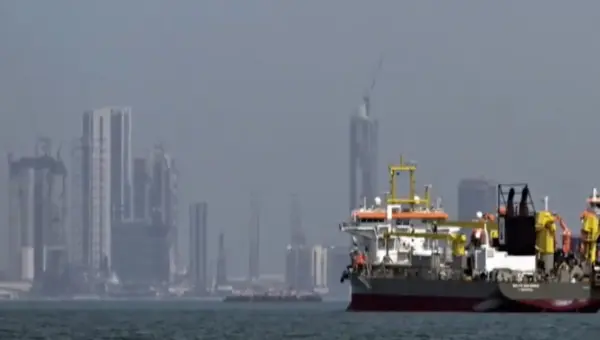
Iran Blocks China Ships, Exposing Beijing’s Weak Grip
Iran's recent decision to block Chinese ships at the Strait of Hormuz is exposing the limits of Beijing's influence in the Middle East. This action is causing delays and cancellations for Chinese manufacturers, turning a perceived geopolitical win into an economic strain.
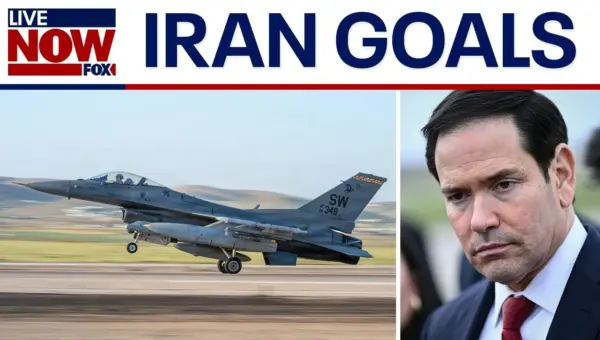
Rubio: US Can Achieve Iran War Goals Without Troops
Senator Marco Rubio outlined a strategy to counter Iran without deploying U.S. ground troops, focusing on weakening the regime and enhancing maritime security. He also criticized Cuba's economic system and expressed concerns about West Bank violence.


Israel Escalates Iran Strikes, Warns of Wider War
Israel has launched significant strikes inside Iran following continued missile fire, warning of further escalation. The conflict risks wider regional instability and economic disruption, especially concerning the Strait of Hormuz.