Illinois Democrats Vie for Senate Seat in Costly Primaries
Illinois Democrats are engaged in a series of competitive and costly primary elections today, most notably for the open U.S. Senate seat. Key contenders are making their case to voters on issues ranging from the economy to accountability, while several House races also present significant contests that could determine future congressional representation.

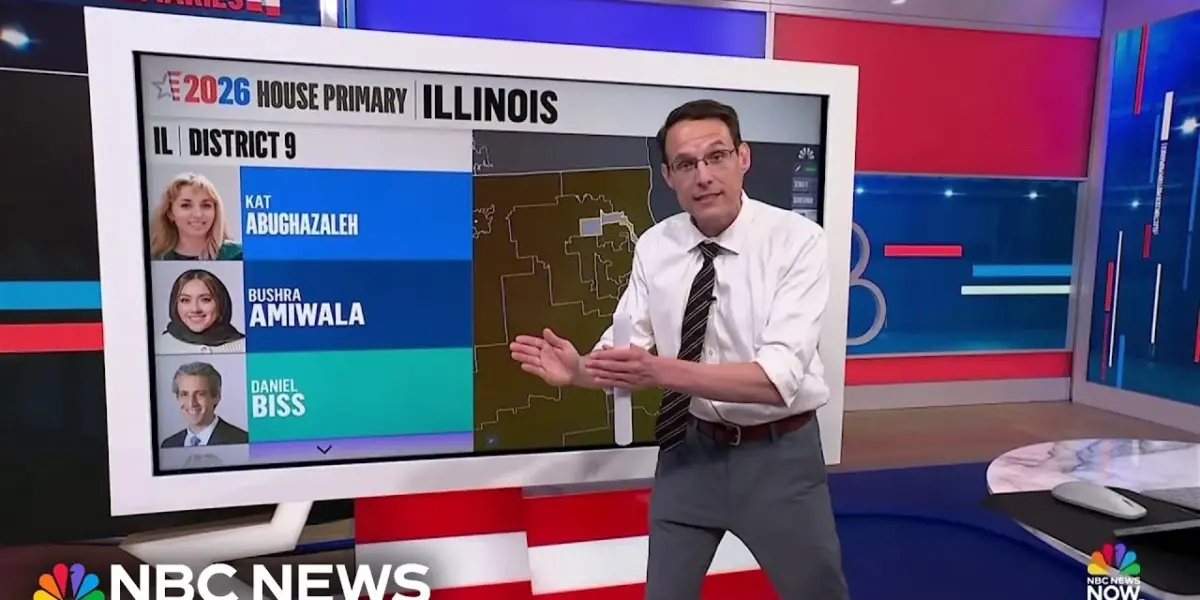
Illinois Democrats Face Fierce Primary Battles for Senate Seat
Voters in Illinois are heading to the polls today for a crucial Democratic primary election. The spotlight is on the crowded and competitive race to replace retiring Senator Dick Durbin. All eyes are on the Democratic candidates vying for this high-profile seat, a contest expected to be both expensive and closely watched. The outcome could offer insights into the mood and direction of the Democratic Party base.
Top Contenders Make Their Case
The race to succeed Senator Durbin features several prominent Democrats. Key candidates include Congressman Raja Krishnamoorthi, Congresswoman Robin Kelly, and Lieutenant Governor Juliana Stratton. Each contender is actively campaigning to convince voters they are the best choice to represent Illinois in the U.S. Senate.
Congressman Krishnamoorthi, who has served in Washington for a decade, emphasizes his experience and fundraising ability. He argues that voters are looking for economic solutions and a strong stance against former President Trump. “I don’t need to prove my anti-MAGA credentials,” Krishnamoorthi stated, “but what I do need to do is address those issues that people care about right now, which is how are you going to help me economically, and how are you going to stand up to Trump and hold this administration accountable?”
Congresswoman Robin Kelly also highlights her qualifications and track record. She suggests that voters are seeking someone who can deliver results and has a clear vision for the future. “People aren’t looking for that,” Kelly remarked, referring to Krishnamoorthi’s long tenure. “They’re looking for someone who’s going to deliver, to not just fight against this president, but also know what they’re fighting for.” She added, “I am the most qualified person running. Her record can’t touch my record. And I’m not trying to be mean. I’m just stating the facts.”
Lieutenant Governor Juliana Stratton also positions herself as a strong candidate ready to lead. She stressed the importance of having a leader who understands the state and can immediately address pressing issues. “This is a blue state, but this is a critical seat because Donald Trump will still be president, and we need someone again that can hit the ground running and knows what she’s doing and has done it,” Stratton explained.
Subtle Differences, Big Stakes
Despite the intense competition, Shaquille Brewster, reporting from the campaign trail, notes that the policy differences among the top candidates are often subtle. “When you listen to these candidates, for example, they all want to raise the minimum wage. The question is, is it to $17 an hour or $25 an hour?” Brewster observed. Instead, the primary is seen as a test of the Democratic Party’s core values and the feelings of its base voters.
Candidates are focusing on issues resonating with voters, including economic concerns and accountability in government. One candidate pointed out, “People should pay attention to two things. One, the fact that people feel economically distressed across the economic spectrum. The second set of issues that I think people should pay attention to is people feel that this government is not accountable to the citizenry anymore. They’re acting recklessly. They’re acting with impunity.”
Another candidate highlighted a desire for change from the status quo in Washington. “This race is an example of how people are tired of the status quo in Washington,” the candidate said. “I’m the only candidate in this race that has made it clear I’m not going to support Chuck Schumer to lead the Democratic Caucus, Senate Caucus, because that’s not what people are looking for right now. They want someone who’s going to fight, and we need fighters and not folders.” This sentiment reflects a broader trend of Democratic voters seeking more assertive leadership.
National Issues and Local Concerns Collide
The Illinois primaries are also reflecting national political trends. Campaign mailers in some districts heavily feature Donald Trump and immigration. However, voters are also expressing concerns about everyday issues like rising healthcare costs, housing prices, and the cost of groceries. Candidates are attempting to connect these kitchen-table issues with broader national concerns, including foreign policy and the fight against Trump.
Brewster showed stacks of direct mailers, illustrating the significant financial investment in these races. “So when you look at the messaging on here, you see a lot of Donald Trump. You see a lot of messaging about immigration and anti-ICE, but you also have people saying, look, I want these kitchen table issues to be addressed. I don’t like the rising cost of health care, the rising cost of housing. I want groceries to come down,” he explained.
Competitive House Primaries Add to the Drama
Beyond the high-stakes Senate race, Illinois voters are also deciding several competitive and expensive Democratic primaries for U.S. House seats. These races are significant because many of these districts are safely Democratic, meaning the primary winner is likely to be the next representative.
Steve Kornacki, NBC’s Chief Data Analyst, highlighted some key House races to watch. In the Second Congressional District, the seat vacated by Robin Kelly has drawn a notable candidate: Jesse Jackson Jr. He is seeking a political comeback after leaving Congress in 2012 due to a federal investigation. His main opponent is Cook County Commissioner Donna Miller. Kornacki noted that due to the district’s gerrymandered nature, most of the Democratic vote is concentrated in Chicago and its inner suburbs.
Another closely watched race is in the Eighth Congressional District, left open by Raja Krishnamoorthi’s Senate bid. This district includes parts of Cook and DuPage counties. Former Representative Melissa Bean, a moderate Democrat, is running for her old seat. She faces Junaid Ahmed, who ran from the left in a previous primary and is endorsed by progressive groups.
The Ninth Congressional District, represented for nearly 30 years by Jan Schakowsky, is also an open seat. Prominent candidates include Evanston Mayor Daniel Biss and influencer Cat Del Buono. State legislator Laura Fine is also a significant contender in this North Shore suburban district. In all these House races, the Democratic primary winner is expected to secure the seat in the general election.
Looking Ahead
As Illinois voters cast their ballots today, the results of these Democratic primaries will offer crucial insights into the party’s priorities and the candidates best positioned to connect with its base. The outcomes will not only shape the future of Illinois’ representation in Washington but also provide a barometer for the broader political mood heading into the next election cycle.
Source: Kornacki previews ‘very competitive, very expensive’ Democratic primaries in Illinois (YouTube)

Related Articles


Florida Shockwave: Red State Flip Signals GOP’s Midterm Peril
Democrats have secured key victories in deep-red Florida districts, boosting their chances of winning both the House and Senate in the upcoming midterms. This surprising trend suggests a potential shift in voter sentiment, even in traditionally Republican strongholds.


MAGA Faces Crisis: Internal Strife and Public Doubt Emerge
The MAGA movement is reportedly facing internal divisions and growing public doubt. Key issues like the Iran conflict and economic concerns are creating rifts within the base, while criticism questions the movement's appeal and direction. These factors suggest a potential fracturing of the once-unified political force.

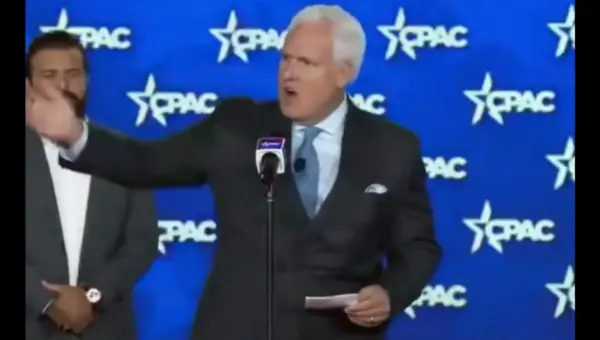
Trump’s CPAC Cheer: Populist Promises Crumble
Cheers for impeachment hearings at CPAC suggest cracks in Donald Trump's popularity. Critics argue his populist promises have gone unfulfilled, benefiting only himself and his allies. Voters are urged to hold leaders accountable and demand tangible results.