Trump’s Allies Abandon Him in Iran Crisis
Donald Trump faces a stark reality as international allies, previously criticized by him, refuse to offer support in a recent conflict. This isolation highlights the damaging effects of his confrontational diplomatic style.

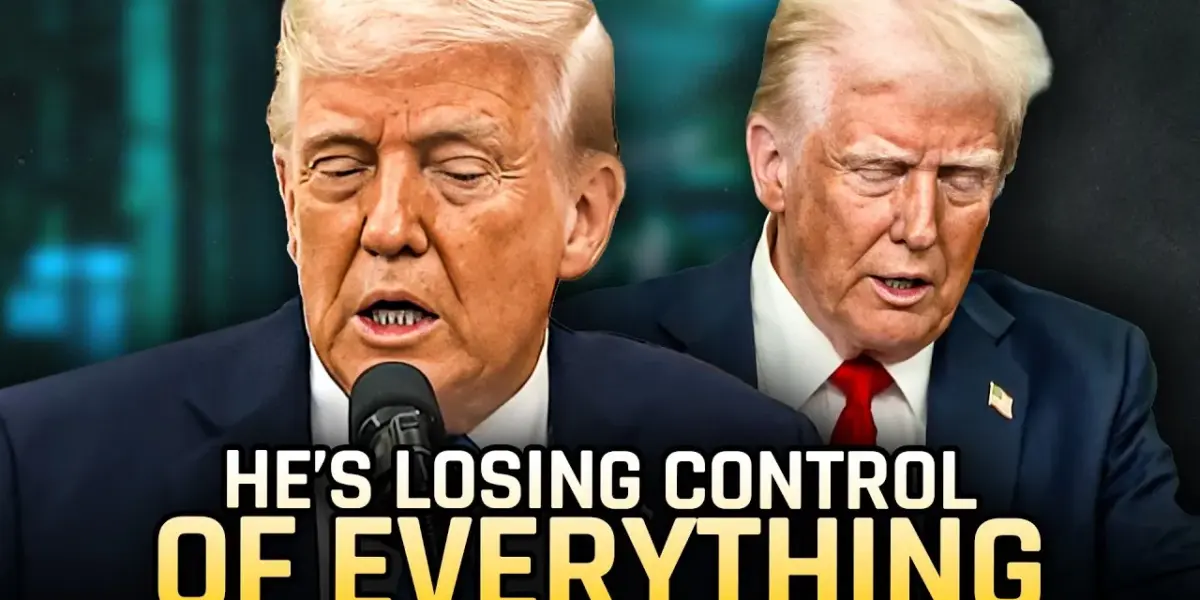
Trump’s Allies Abandon Him in Iran Crisis
Donald Trump is reportedly upset that international allies he has often criticized are not offering help in a recent conflict involving Iran. This situation highlights a broader pattern of strained relationships with key partners, leaving the United States potentially isolated in a critical moment.
A Plea for Help, Met with Silence
The former President expressed frustration that allies, many of whom he has publicly ridiculed and insulted over the past year, are not stepping in to assist with a situation that has roots in actions taken by him and Israeli Prime Minister Netanyahu. Trump stated, “We’re always there for NATO. We’re helping them with Ukraine. It’s got an ocean between us. Doesn’t affect us, but we helped them.” He seemed to expect similar support in return for a seemingly minor issue: ensuring passage through the Strait of Hormuz.
However, countries like Australia, Japan, France, and the UK have reportedly declined to get involved. Their stance suggests they do not want to commit military resources to a problem they perceive as stemming from poor judgment. This response directly contradicts Trump’s expectation that nations would readily assist the U.S. in a small endeavor, especially one as vital as keeping a major shipping lane open.
The Cost of Alienating Partners
The current predicament underscores a significant point: alliances are built on mutual respect and shared interests, not just on convenience. For years, Trump has employed a strategy of demeaning and imposing tariffs on many of these same nations. He has frequently used social media and public interviews to insult leaders and populations of countries that are crucial to U.S. national security and economic stability. This approach has systematically damaged the trust and goodwill necessary for effective cooperation.
When a crisis demands collective action, as it has with the situation in the Strait of Hormuz, the consequences of such a diplomatic approach become starkly clear. Allies who have been consistently belittled are unlikely to rally to the U.S.’s side. It appears that the very partners Trump now needs are unwilling to help clean up a mess created, in the view of some, by his own administration’s policies.
Historical Context: The Value of Alliances
Historically, U.S. foreign policy has often relied on a network of strong alliances to project power, ensure global stability, and advance national interests. Organizations like NATO were formed after World War II to provide collective security against potential threats. These alliances are not merely symbolic; they involve military cooperation, intelligence sharing, and economic partnerships that benefit all members. The idea that a nation can act unilaterally and still expect unwavering support from allies it has alienated is a departure from traditional diplomatic practice.
Trump’s approach, however, often prioritized bilateral deals and questioned the value of multilateral organizations. He viewed alliances through a transactional lens, frequently demanding that other countries pay more for defense or face consequences. While proponents argued this approach secured better deals for America, critics warned it could erode the foundations of international cooperation and leave the U.S. more isolated.
A Complex Geopolitical Chessboard
Adding another layer of complexity, reports indicate that Russia is actively aiding Iran. Putin reportedly flew Iran’s Supreme Leader to Russia for emergency surgery following injuries from a U.S. attack. This suggests that while Trump’s traditional allies are not stepping up, Russia is strengthening its ties with Iran, potentially creating a counter-bloc that further complicates U.S. foreign policy objectives.
This situation paints a picture of Trump being largely alone, with only a few key figures offering support. The narrative suggests that his confrontational style and transactional diplomacy have led to this isolation. The conflict in the Strait of Hormuz, and the lack of allied support, is presented as a predictable outcome of alienating partners and acting aggressively without adequate foresight or international backing.
Implications and Future Outlook
The lack of international support in this instance raises serious questions about the future of U.S. alliances. If key partners are unwilling to cooperate during a crisis, it weakens the collective security framework that has been a cornerstone of global stability. This could embolden adversaries and create a more dangerous international environment.
Furthermore, the situation highlights the importance of diplomatic skill and relationship-building in foreign policy. Leading with insults and demands, as described, may yield short-term political gains for some leaders but can have long-term detrimental effects on a nation’s standing and influence. The future may see a continued struggle for the U.S. to regain the trust and cooperation of its allies if a more collaborative approach to foreign relations is not adopted.
Why This Matters
This event is significant because it demonstrates the direct consequences of a foreign policy that alienates allies. Alliances are not just about mutual defense; they are about shared influence, economic stability, and collective problem-solving. When these partnerships fracture, the United States, and the world, become less secure. The ability to address global challenges, from trade disputes to security threats, relies heavily on the strength and reliability of these international relationships. A U.S. perceived as isolated and unreliable will find it increasingly difficult to achieve its foreign policy goals.
Source: Trump is TREMBLING As He Loses Control of Everything (YouTube)

Related Articles
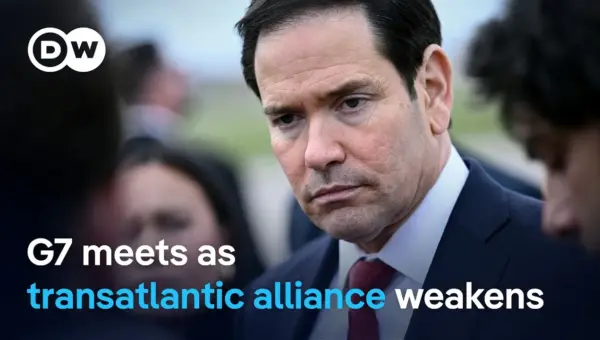
G7 Allies Clash Over Iran War Strategy, Urge Focus on Russia
G7 foreign ministers met in Paris, revealing deep divisions over the U.S. war with Iran. European allies urged the U.S. to pressure Russia, linking its actions to the conflict and fearing support for Ukraine will wane.

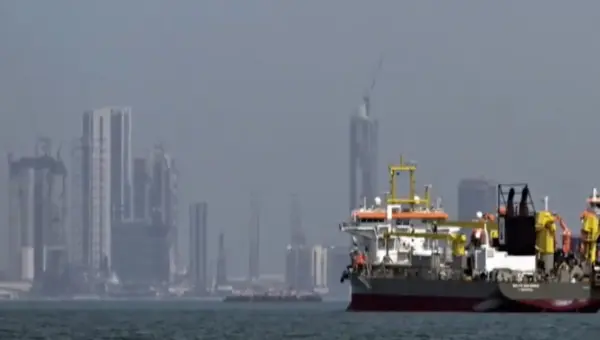
Iran Blocks China Ships, Exposing Beijing’s Weak Grip
Iran's recent decision to block Chinese ships at the Strait of Hormuz is exposing the limits of Beijing's influence in the Middle East. This action is causing delays and cancellations for Chinese manufacturers, turning a perceived geopolitical win into an economic strain.
Trump’s “Walk Away” Tactic Signals Tougher Stance on China
Retired Air Force Brigadier General David Stillwell believes President Trump's strategy of being willing to walk away from negotiations puts pressure on China. This tactic, combined with US global actions and strengthened alliances, signals a more assertive American foreign policy.