Professor Slams Iran Invasion as ‘Incompetent,’ Warns of Economic Fallout
An economic professor has sharply criticized the ongoing military operation in Iran, calling it "one of the most incompetent invasions we've seen." The expert raised alarms about the strategic missteps, potential economic fallout for American consumers due to rising gas prices, and the administration's overall competence in handling the conflict. Concerns also linger about the potential for escalation and the disconnect between U.S. and Israeli objectives.

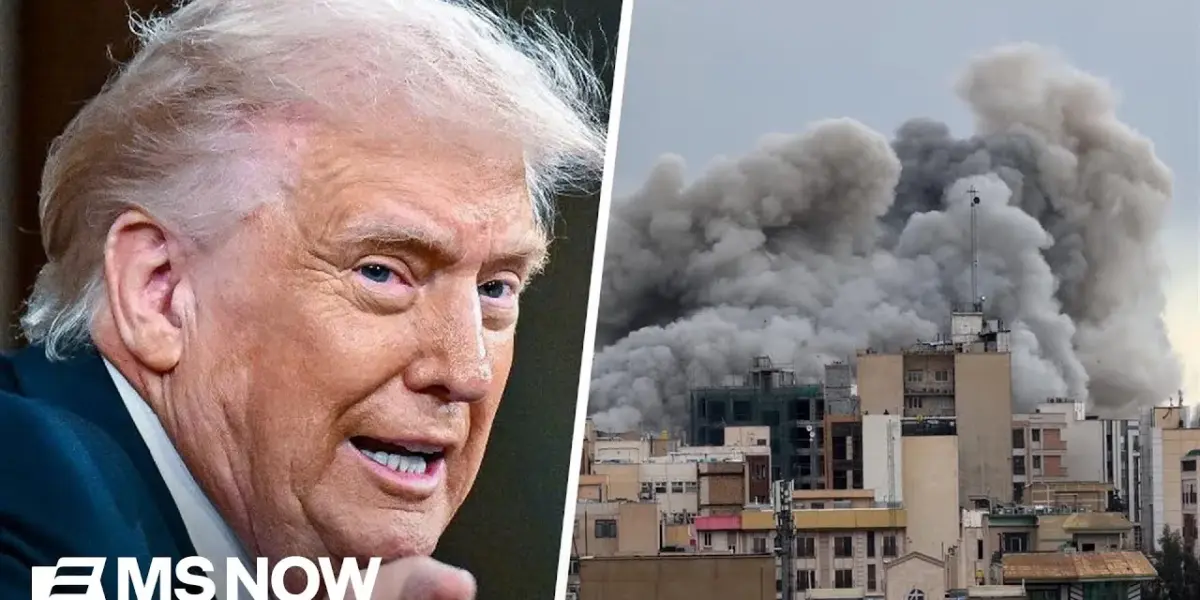
Expert Criticizes Iran Operation, Cites Economic Risks
An economic professor has sharply criticized the ongoing military operation in Iran, labeling it as one of the most incompetent invasions witnessed. Speaking on a recent broadcast, the professor raised serious concerns about the administration’s strategy, the economic consequences for American consumers, and the overall competence of the operation.
Questions Over Strategy and Unforeseen Challenges
The professor highlighted a significant mystery at the outset of the conflict: the failure to immediately secure the Strait of Hormuz. It was widely believed that the administration expected a swift collapse of the Iranian regime following a “shock and awe” campaign, similar to previous Middle East conflicts. However, this plan apparently did not account for Iran’s long-standing threat to close the strait if attacked.
This oversight has now led to a protracted military effort to reopen the crucial waterway, a process expected to take weeks. The professor also pointed to the attack on Karg Island as a potential attempt to seize Iran’s oil resources. Yet, this move seems to contradict President Trump’s campaign promises of low gas prices for Americans, as blockading Iran’s oil would likely harm the U.S. economy and consumers.
“The attack on Karg Island was a suggestion that perhaps the president wanted to hold Iran’s own oil resources hostage. But of course, he’s the one who has campaigned on low gas prices for Americans.”
Entrenched Regime and Nuclear Concerns
Reporting suggests the Iranian regime has become more entrenched and potentially even more hardline since the operation began. Concerns are also rising about the succession, with the current Ayatollah’s son reportedly being more extreme. If the goal was regime change or preventing Iran from obtaining nuclear weapons, the administration faces a difficult path.
The professor questioned whether the U.S. would be forced to intervene militarily to seize enriched uranium if the current strategy fails. This situation could lead to a prolonged conflict, a version of a “forever war,” as the U.S. attempts to contain Iran’s potential dash for nuclear weapons.
Divergent Goals with Allies
A significant disconnect exists between American and Israeli war aims. While Israel, under Benjamin Netanyahu, continues to advocate for regime change and has pursued actions to eliminate Iranian leadership, the U.S. appears to have more flexible objectives. The professor noted that if the U.S. wishes to negotiate an end to the conflict, continuing to support actions that kill Iranian leaders could undermine future diplomatic efforts.
Despite these divergent goals, the professor suggested that President Trump holds considerable leverage over Israeli Prime Minister Netanyahu, particularly given Netanyahu’s reliance on his relationship with Trump for political support. A phone call from Trump could potentially influence Israel’s actions and help de-escalate the situation.
Economic Repercussions for Consumers
The conflict’s impact on the global economy, including rising gas prices in the U.S., was also a major point of discussion. While some administration officials, like Kevin Hassett, argued that the U.S. economy is fundamentally sound and could withstand extended conflict without major disruption, the professor strongly disagreed.
The professor explained that while the nation as a whole might not be significantly worse off due to domestic oil production, the increase in oil and gas prices represents a major redistribution of wealth. This shift directly harms American consumers, particularly those in regions like the Midwest who rely heavily on driving, by transferring hundreds of millions of dollars from households to oil companies. This economic impact, the professor argued, is far from neutral and is a significant concern.
“What happens to the country as a whole. And it’s true that we basically produce as much oil as we need. So when the oil price goes up, on average, America is neither better nor worse off. The consumer’s comment, though, is the heart of the matter…”
Concerns About Competence and Escalation
Beyond the strategic and economic issues, the professor raised fundamental questions about the administration’s competence. Comparing the situation to the trade war, the professor pointed out delays in realizing the impact of tariffs and a failure to evacuate Americans from the region during the invasion’s outset.
The professor warned that assuming the conflict will not escalate is a dangerous assumption. A desperate Iran could potentially target oil facilities in Saudi Arabia, Bahrain, Kuwait, or the UAE, leading to a much worse situation than currently exists. The professor expressed skepticism about administration claims that the operation is proceeding smoothly and ahead of schedule, emphasizing that “bad situations can always get worse” in the Middle East.
Looking Ahead
The immediate future will likely involve continued debate over the administration’s strategy and competence in managing the conflict in Iran. The economic impact on American consumers, particularly rising gas prices, will remain a significant concern. Furthermore, the potential for escalation and the divergent goals with allies like Israel will require careful navigation. The success of any diplomatic resolution will hinge on finding willing and able negotiators within Iran, a task the professor described as infinitely more difficult than coordinating with international partners.
Source: 'One of the most incompetent invasions we've seen': Economic professor on Iran (YouTube)

Related Articles
G7 Allies Clash Over Iran War Strategy, Urge Focus on Russia
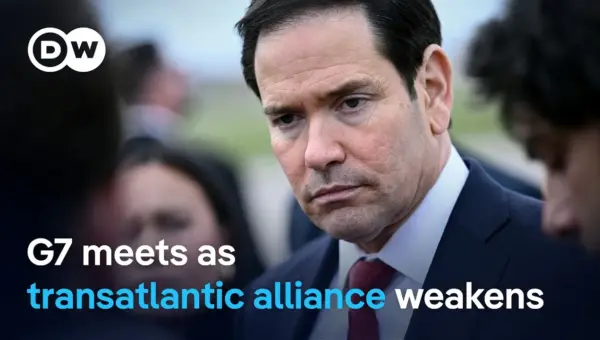
G7 foreign ministers met in Paris, revealing deep divisions over the U.S. war with Iran. European allies urged the U.S. to pressure Russia, linking its actions to the conflict and fearing support for Ukraine will wane.

Iran Blocks China Ships, Exposing Beijing’s Weak Grip
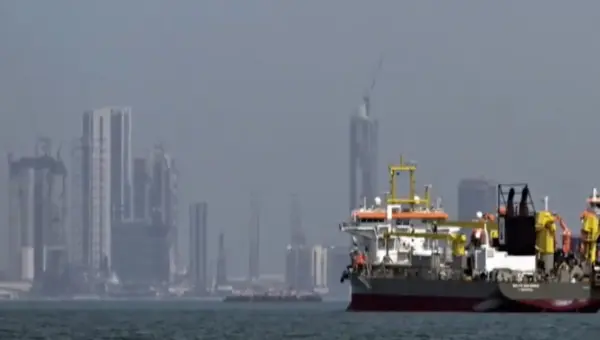
Iran's recent decision to block Chinese ships at the Strait of Hormuz is exposing the limits of Beijing's influence in the Middle East. This action is causing delays and cancellations for Chinese manufacturers, turning a perceived geopolitical win into an economic strain.
Trump’s “Walk Away” Tactic Signals Tougher Stance on China
Retired Air Force Brigadier General David Stillwell believes President Trump's strategy of being willing to walk away from negotiations puts pressure on China. This tactic, combined with US global actions and strengthened alliances, signals a more assertive American foreign policy.