Trump’s ‘Save America Act’ Faces Hurdles: Concerns Over Voting Rights
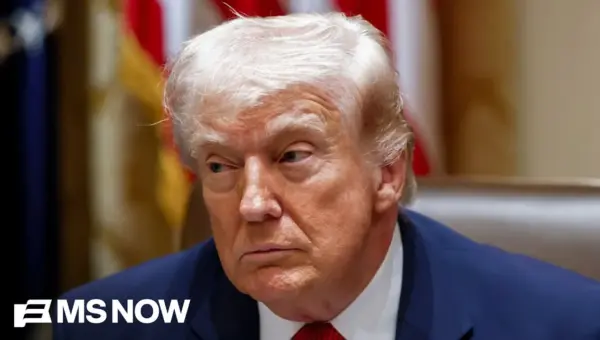
President Trump's "Save America Act," requiring proof of citizenship and voter ID, faces strong opposition. Concerns are high that the bill could create significant barriers for eligible voters, particularly married women whose names may differ on identification documents. The proposed legislation is unlikely to pass the Senate but serves as a key political focus for Trump.


Trump Pushes ‘Save America Act’ Amidst Fierce Debate
Former President Donald Trump is pressing Republicans to pass his proposed “Save America Act,” a bill aiming to tighten voting regulations by requiring proof of citizenship and voter ID. The push comes as the bill faces significant opposition from Democrats and even some Republicans, raising concerns about its potential impact on eligible voters.
Key Provisions Spark Voting Access Worries
The “Save America Act” has two main components: requiring proof of citizenship to vote and mandating voter identification. Democrats argue these measures could create substantial barriers for many Americans, making it harder to cast their ballots. A primary concern is that not all voters may have easy access to required documents like a driver’s license or birth certificate.
Married Women Face Unique Challenges
A significant point of contention is the potential burden on married women. If a woman’s current last name, often changed after marriage, does not match the name on her identification or birth certificate, she could face difficulties voting. This mismatch could prevent her from casting her ballot, even if she is a legal voter.
“It’s absolutely a thing. And what she said is, well, it’s not really a thing for that many people… 69 million women in America have a name, a married name that differs from the name on their birth certificate.”
Experts highlight that approximately 69 million women in the United States have a married last name different from the one on their birth certificate. This situation could become a major hurdle, especially for women living in states different from where they were born. They might need to obtain marriage certificates from their state of marriage and then present them to election officials in their current state, a process described as “hugely burdensome.”
Constitutional Questions and ‘De Facto’ Poll Taxes
The act’s requirements raise questions about constitutional rights. While not a literal poll tax, the significant burdens and potential expenses associated with obtaining necessary documents could function as a de facto poll tax. This could violate the spirit of the 24th Amendment, which abolished poll taxes, and potentially lead to eligible voters being removed from voter rolls.
Political Maneuvering and Senate Challenges
The “Save America Act” is unlikely to become law, as it would require at least 60 votes to pass the Senate. Despite this, Trump is using the bill as a litmus test for Republican loyalty. However, not all Republicans are on board, with some opposing the bill’s substance and others disagreeing with the procedural tactics that might be used to advance it, such as eliminating the talking filibuster.
Republicans are divided on the bill. Some are concerned about the potential for amendments that could significantly alter the act, while others have historically resisted Trump’s pressure on issues like the filibuster. The political pressure could be intense, especially as the bill is debated over several days or even weeks.
Broader Political Context and Election Year Stakes
Trump believes the “Save America Act” could help Republicans win or maintain their majority in the upcoming elections. However, this claim is met with skepticism by many Republicans. The party’s messaging for the 2026 election has largely focused on tax policy, which has not resonated widely with the public.
Adding to the political complexity is the ongoing war in the Middle East, which involves significant spending and potential requests for further funding. This creates a challenging political environment for the president and the Republican party, marked by internal disagreements as the election approaches.
What’s Next for the ‘Save America Act’?
As the debate over the “Save America Act” unfolds, attention will be on whether Republicans can unite behind the bill and how the proposed voting measures will be addressed. The potential impact on voter access, particularly for married women, remains a central concern. The outcome of these discussions could reveal deeper divisions within the Republican party and shape key campaign messages leading into the election.
Source: Why Trump's 'Save America Act' could be 'burdensome' for many married women (YouTube)

Related Articles


Polls Spell Doom: Republicans Face Voter Backlash
New polling data reveals a sharp decline in public confidence regarding the economic impact of Republican policies, particularly under Donald Trump. A significant majority now feel financially worse off, a trend that is especially pronounced among independent voters. This economic discontent poses a major challenge for the Republican party heading into future elections.


Trump Delays Iran Strike Deadline Amidst Shifting Diplomacy
President Donald Trump has extended his deadline for potential strikes on Iranian energy plants to April 6th, amid reports of U.S.-Iran diplomatic talks mediated by Pakistan. This move comes as Israel continues its strikes on Iran and the U.S. deploys additional military assets to the region. Analysts point to mixed signals, economic pressures, and strategic miscalculations as key factors shaping the evolving situation.

Iran War Claims Ring Hollow as US Troops Injured in New Attack
Days after Donald Trump claimed "we've won" the war with Iran, a new attack injured approximately a dozen U.S. troops and damaged aircraft. This incident contradicts Trump's assertions of victory and raises serious questions about the strategy and reality of the ongoing conflict.