Trump Ditches Allies: Loyalty a One-Way Street
Joe Kent's resignation from the National Counterterrorism Center, citing opposition to the war in Iran, has drawn a sharp rebuke from Donald Trump. Trump dismissed Kent as "weak on security" and reiterated his belief that Iran posed a significant threat. This incident highlights a recurring pattern of Trump publicly disavowing allies when they become politically inconvenient, raising questions about loyalty and self-preservation in politics.

Trump Ditches Allies: Loyalty a One-Way Street
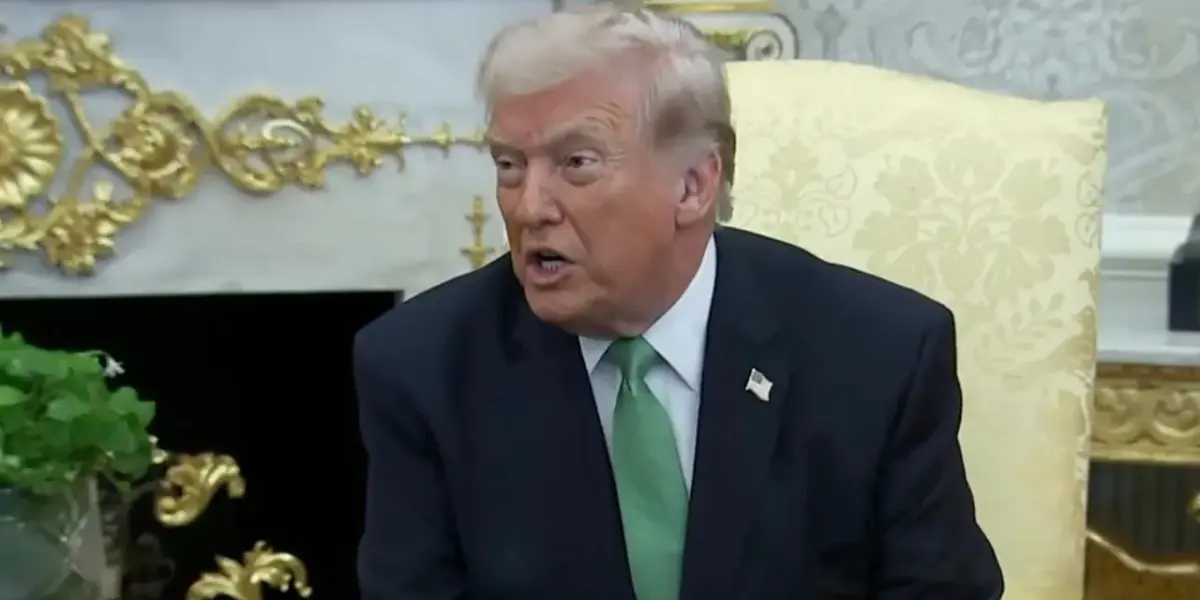
Joe Kent, Donald Trump’s Director of the National Counterterrorism Center, recently resigned. He stated his reason clearly on Twitter: “I cannot in good conscience support the ongoing war in Iran. Iran posed no imminent threat to our nation, and it is clear that we started this war due to pressure from Israel and its powerful American lobby.” This move sparked a direct question to Donald Trump about his reaction.
Trump’s Dismissal of Kent
When asked about Kent’s resignation, Trump’s response was swift and dismissive. He called Kent “weak on security” and stated, “we don’t want those people.” He argued that Iran was indeed a threat, a view he claimed “every country realized.” Trump suggested that anyone who doesn’t see Iran as a threat is either “not smart people or they’re not savvy people.” This public distancing aligns with a pattern seen throughout Trump’s career.
A Pattern of Discarding Allies
The analyst points out that Trump’s response to Kent is not an isolated incident. It’s presented as a consistent behavior, a “feature, not a bug” of his approach to people. The transcript lists numerous examples: Ronald McDaniel, Kayleigh McEnany, Paul Manafort, George Papadopoulos, Gordon Sondland, Michael Cohen, and even Sidney Powell have all been publicly criticized or disavowed by Trump when they became politically inconvenient. The core message is that Trump tends to throw people under the bus when it serves his interests.
Donald Trump will throw you under the bus the moment he feels you become politically inconvenient for him. And the only thing more embarrassing than being thrown under the bus by Trump is the fact that any of these people sell their soul to him in the first place, thinking that somehow it won’t eventually happen to them, too.
The implication is that expecting loyalty or mutual benefit from aligning with Trump is a mistake. The analysis suggests that everyone in Trump’s orbit is there to serve him, and not the other way around. The transcript warns that even those who believe they are special and immune will eventually be discarded.
Inconsistent Stances on Iran
The discussion also highlights apparent contradictions in the Trump administration’s stance on Iran. While Trump now claims Iran was a clear threat, the transcript recalls past statements where he suggested war with Iran would be a politically motivated move by a weak leader, or even a “short-term popular” action for a president. He himself had previously campaigned on a platform of ending endless wars and pursuing American interests, not starting new conflicts.
Caroline Levit, a figure associated with the administration, is also cited for seemingly changing her tune. Initially, she reportedly tweeted that “no such threat from Iran to our homeland exists and it never did.” However, when addressing Kent’s resignation, she reportedly stated that the idea of Iran posing no imminent threat was a “false claim the Democrats and some in the liberal media have been repeating.” This creates a confusing picture of the administration’s position.
Kent’s Resignation: A Symptom of a Sinking Ship?
The analyst interprets Kent’s resignation not just as a principled stand, but as a sign that people are leaving a “sinking ship.” The war in Iran is described as unpopular, lacking a clear plan or objective, and causing American deaths and rising oil prices. Furthermore, it’s seen as a violation of Trump’s own campaign promises. Kent’s decision is framed as an act of agency by someone who can see the writing on the wall.
Why This Matters
This situation reveals a critical aspect of political strategy and personal conduct. It shows how leaders, particularly those with a populist appeal, may prioritize self-preservation and political advantage over loyalty and consistent policy. For allies and supporters, it serves as a stark warning: association with such figures can be fleeting and come with significant personal and professional risk. The willingness of individuals like Joe Kent to resign based on deeply held principles, even when facing potential backlash, highlights the tension between political expediency and ethical conviction.
Implications and Future Outlook
The pattern of Trump discarding former allies suggests that future collaborations might be approached with greater caution by those seeking long-term partnerships. It also raises questions about the nature of political support – is it based on shared values or transactional benefit? The contradictory statements on foreign policy, particularly regarding Iran, could create confusion for both domestic and international audiences, potentially undermining credibility. As the political landscape evolves, the durability of alliances and the consistency of messaging will remain key factors in assessing political movements and leadership.
Historical Context
Throughout history, political figures have often reshaped their alliances and public statements to adapt to changing circumstances or political winds. However, the directness and frequency with which Trump appears to disavow former associates, as highlighted in the transcript, is a notable characteristic. This approach, while seemingly effective in consolidating a base that values loyalty to the leader above all else, also creates a perception of unreliability among those outside that core group. The examples given, from campaign staff to administration officials and even legal advisors, illustrate a consistent method of managing public perception by shifting blame or distance when necessary.
Source: Trump issues SHOCK announcement amid BOMBSHELL resignation (YouTube)

Related Articles

G7 Allies Clash Over Iran War Strategy, Urge Focus on Russia
G7 foreign ministers met in Paris, revealing deep divisions over the U.S. war with Iran. European allies urged the U.S. to pressure Russia, linking its actions to the conflict and fearing support for Ukraine will wane.


US Must Block China’s Tech Access for Security
US national security experts are raising alarms about China's access to advanced AI chips, arguing it threatens strategic advantages. This, coupled with charges against Chinese entities for fentanyl precursor sales and a ban on foreign routers, signals a growing effort to prioritize security over business ties.

Iran War Exodus: Refugees Flee to Turkey Amidst Bombings
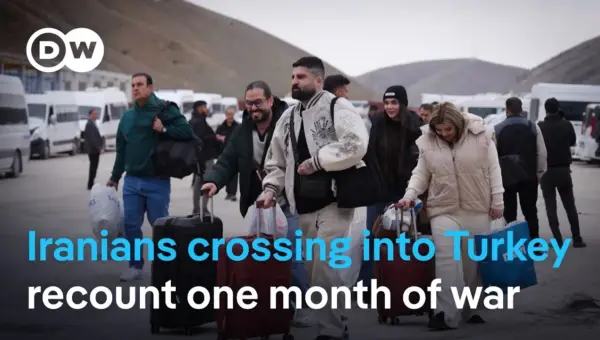
A train from Tehran brings refugees to Turkey, fleeing daily bombings and economic collapse. Many express deep fear for loved ones left behind, while some hold onto national pride and hope for victory. The conflict's impact is also felt economically in Turkey, with rising gas prices.