Middle East Conflict Shifts Global Arms, Benefits Russia
A conflict in the Middle East is driving up oil prices, benefiting Russia and potentially diverting military aid from Ukraine. Meanwhile, Ukraine's defense industry is attracting international interest, aiming to become a key global supplier.


Middle East Conflict Shifts Global Arms, Benefits Russia
A new military escalation in the Middle East is having significant ripple effects, impacting global oil prices and potentially diverting Western military aid away from Ukraine. Russia appears to be benefiting from this situation through increased oil revenues and a potential reduction in the flow of crucial air defense systems to Ukraine.
Oil Prices and Russian Gains
The ongoing conflict in the Middle East is leading to a spike in global oil prices. As military actions continue, disruptions to global oil supply chains are expected. Higher oil prices directly benefit Russia, as it is a major oil producer. This economic advantage could bolster Russia’s financial standing amidst other geopolitical pressures.
Diversion of Military Resources
Another key benefit for Russia is the diversion of Western military resources. Nations supporting Ukraine, particularly the United States, may need to redirect critical assets like air defense missiles to address the new crisis in the Gulf. This was seen previously when artillery shells destined for Ukraine were rerouted to Israel following the Hamas attacks on October 7th, highlighting the U.S. commitment to Israel’s security.
Ukraine’s Defense Industry Potential
Despite these challenges, the Middle East crisis is also sparking interest in Ukraine’s defense industry. Investors from Gulf countries and other regions are reportedly exploring opportunities to support Ukraine’s defense sector. They see value in Ukraine’s expertise and its potential to contribute to global security through advanced defense manufacturing. This interest could lead to increased investment and help Ukraine scale up its production capabilities.
The Ukrainian Defense Sector
Ukraine’s defense industry is a substantial entity, comprising over 900 companies. A significant portion, more than 800, are privately owned. Among these, approximately 450 are focused on drone production, counter-drone systems, and electronic warfare. The state-owned enterprises add to this capacity. The overall production potential is estimated to be around $55 billion USD. However, the Ukrainian government can only fund about one-third of this capacity, spending roughly $16 billion on domestic weapons procurement last year. This leaves a significant gap between production capability and available funding.
Addressing Funding Gaps
To bridge this funding gap, Ukraine is exploring several avenues. Controlled exports could help utilize idle production capacity. Additionally, models like the Danish initiative, where foreign governments fund Ukrainian weapon producers, have proven successful. This model generated over $6 billion USD last year through alternative versions. These arrangements aim to keep Ukrainian defense production lines active and supply forces on the front lines.
Becoming the “Arsenal of the Free World”
Ukraine’s long-term ambition is to become the “arsenal of the free world.” This vision stems from the nation’s demonstrated ability to innovate and develop solutions for modern warfare, driven by necessity during the ongoing conflict. Ukrainian engineers and inventors have shown remarkable ingenuity in creating effective defense technologies. The defense industry is seen as a potential locomotive for Ukraine’s economic development.
Balancing Relocation and Domestic Production
Security concerns are prompting some Ukrainian defense producers to relocate manufacturing and production lines westward. Approximately 10-15% of drone producers have established alternative facilities in countries like Poland, Slovakia, the Baltic states, and Germany. This relocation can take the form of joint ventures or new legal entities. While this move helps maintain production and integrate into Western defense networks, it is crucial to prevent a significant “brain drain.” Ukraine aims to ensure that intellectual property rights and the core of its defense industry remain within the country. Finding a balance between relocating some operations for safety and maintaining a strong domestic base is key to achieving the “arsenal” vision.
Geopolitical Implications
The current geopolitical situation highlights the interconnectedness of global security and economics. The conflict in the Middle East is creating opportunities for Russia while posing new challenges for Ukraine and its allies. The potential redirection of military aid underscores the need for sustained and adaptable support for Ukraine. Simultaneously, the growing interest in Ukraine’s defense industry suggests a potential shift in global defense manufacturing, with Ukraine poised to play a more significant role.
Historical Parallels
The situation echoes historical patterns where regional conflicts have had far-reaching global consequences. The diversion of resources and the subsequent impact on ongoing conflicts are not new phenomena. The development of Ukraine’s defense industry also draws parallels to post-war industrial rebuilding efforts, where innovation and international partnerships are crucial for growth and self-sufficiency.
Conclusion
The ongoing events in the Middle East present a complex strategic picture. While Russia may find short-term advantages, the situation also underscores the resilience and potential of Ukraine’s defense industry. The coming months will be critical in determining how these dynamics evolve and shape the future of global security and defense production.
Source: ⚡️Putin supports Trump regarding the new war! There are two significant reasons (YouTube)

Related Articles


Israelis Forge Resilience Amidst Constant Bomb Shelter Drills
Life in Israel is a blend of resilience and constant vigilance, with many families adapting to frequent bomb shelter drills and even sleeping in makeshift shelters. Despite ongoing missile attacks, Israelis strive to maintain normalcy, though businesses face disruption and emotional fatigue is a growing concern.

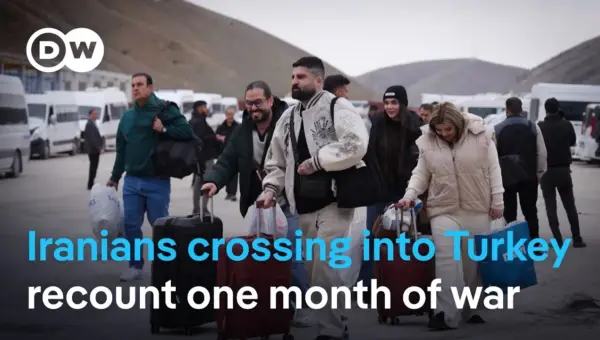
Iran War Exodus: Refugees Flee to Turkey Amidst Bombings
A train from Tehran brings refugees to Turkey, fleeing daily bombings and economic collapse. Many express deep fear for loved ones left behind, while some hold onto national pride and hope for victory. The conflict's impact is also felt economically in Turkey, with rising gas prices.


Israel Escalates Iran Strikes, Warns of Wider War
Israel has launched significant strikes inside Iran following continued missile fire, warning of further escalation. The conflict risks wider regional instability and economic disruption, especially concerning the Strait of Hormuz.