Illinois Primary: Special Interests Clash with Voters’ Voices
Illinois voters are navigating a primary election where special interests are heavily influencing races. Candidates are being backed by millions from groups like AIPAC, often through misleadingly named organizations. This election highlights a struggle for the Democratic Party's direction, pitting grassroots concerns against powerful financial backing.


Illinois Primary: Special Interests Clash with Voters’ Voices
On a crucial primary election day in Illinois, voters are faced with a stark choice. The state’s Democratic primary isn’t just about picking candidates; it’s a battleground where special interest groups try to influence outcomes. This election highlights a larger struggle within the Democratic Party itself: who truly represents the people, and who answers to powerful, often hidden, donors.
Voters Speak Out on Key Issues
Across Illinois, citizens are heading to the polls with clear concerns. For some, like Angel Xerini from Rogers Park, the increased ICE raids in Chicago are a top worry. She feels the party needs to push back harder against such actions, sending a message not just to Washington but also to state leaders. Others, like Cara and Mika Buchamp from Williamson County, are focused on broader issues. They expressed concern about the former administration’s stance on same-sex marriage and the war in Iran. These voters understand that elections have real consequences for fundamental rights and the nation’s direction.
“There are so many rights on the line. And even if we’re dealing with an imperfect Democratic party, even if you and I have a lot of critiques of the Democratic Party, we’re fighting for a Democratic party that stands up for human dignity, institutions that protect human dignity.”
The sentiment is clear: even with criticisms, the Democratic Party is seen by many as the bulwark against what they view as harmful policies. This is especially true when compared to what they perceive as extreme views from some on the right, such as those targeting religious or ethnic groups.
The Shadow of Special Interest Money
A significant issue dominating this primary is the influence of money from groups like AIPAC (American Israel Public Affairs Committee). In Illinois, millions of dollars have been poured into specific races, often through less transparent channels. This practice has become so common that AIPAC and its affiliates are reportedly using shell companies with misleadingly progressive-sounding names. For example, groups like “Elect Chicago Women” and “Affordable Chicago Now” have been used to mask the origin of funds intended to support candidates favored by AIPAC.
This tactic aims to subtly sway voters by hiding the true source of support. It’s a strategy designed to bypass public scrutiny and elect candidates who might otherwise struggle to gain traction based on their actual policy positions. This approach is not unique to AIPAC; other powerful lobbies, like the NRA and the oil industry, also spend heavily to influence elections and policy, often at the expense of public interest.
Key Races to Watch
In the 9th Congressional District, the race features Daniel Biss, a former math teacher and current mayor of Evanston; Cat Abu Gazaleh, a journalist; and Laura Fine, who has received support from AIPAC. The video highlights that both Biss and Abu Gazaleh are seen as more progressive candidates. The endorsement goes to either of them over Fine, who is perceived as less aligned with progressive values. A recent controversy involving Daniel Biss, concerning past allegations from his time as a professor, was discussed. While initially seeming serious, further details suggested a less severe situation, involving a relationship with a student who was of legal age and in a consensual context after the course ended. Prediction markets show Biss leading, but the outcome remains uncertain.
In the Illinois Senate race, the focus is on Lieutenant Governor Juliana Stratton. The speaker expresses strong support for Stratton, viewing her as a dedicated public servant with a progressive platform. Her priorities include fighting for working families, making life more affordable, expanding economic opportunities, and protecting rights. Notably, her campaign has rejected corporate PAC money and advocates for policies like securing Medicaid for all and a $25 minimum wage. This stands in contrast to Raja Krishnamoorthi, another candidate in the race, who is seen as more aligned with special interest groups. The Senate race is described as extremely close, with prediction markets showing the candidates neck-and-neck. A vote for Stratton, the speaker emphasizes, could be decisive.
Why This Matters
This election in Illinois is more than just a local primary. It’s a microcosm of a larger national debate about the soul of the Democratic Party and the integrity of our elections. The influx of money from special interest groups, especially when disguised through front organizations, undermines the democratic process. It creates an uneven playing field where candidates with genuine grassroots support may struggle against those backed by wealthy donors and lobbying firms. Voters are being asked to look beyond catchy campaign names and understand who is truly funding the candidates and what their real agenda might be. The ability of voters to register on the same day makes it easier for engaged citizens to participate, but the challenge remains to inform them about the hidden influences at play.
The Broader Picture and Future Outlook
The trends seen in Illinois are playing out across the country. Progressive candidates often face an uphill battle against established figures who benefit from deep-pocketed support. The Democratic Party is grappling with how to balance diverse viewpoints within its coalition while staying true to its core values. The use of sophisticated, sometimes deceptive, campaign tactics by special interests suggests a growing challenge for grassroots movements. As we look ahead, the fight for transparency in campaign finance and the empowerment of ordinary voters will be crucial. The success of candidates like Juliana Stratton, who reject corporate PAC money and focus on working families, could signal a path forward for a more people-centered Democratic Party. The outcome of these races will help shape the party’s direction and its ability to effectively challenge opposing political forces in the coming years.
Source: Today is the day. (YouTube)

Related Articles
Florida Shockwave: Red State Flip Signals GOP’s Midterm Peril
Democrats have secured key victories in deep-red Florida districts, boosting their chances of winning both the House and Senate in the upcoming midterms. This surprising trend suggests a potential shift in voter sentiment, even in traditionally Republican strongholds.

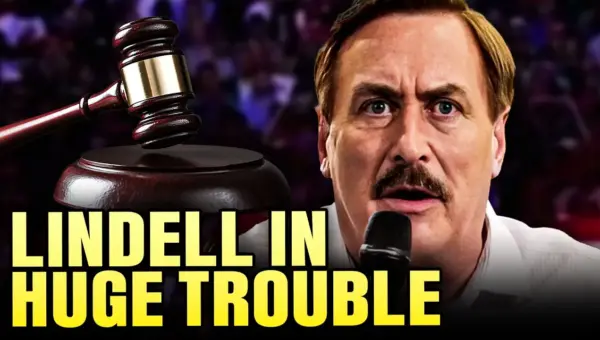
Lindell Faces Court Contempt Over Unpaid Fine
My Pillow CEO Mike Lindell has been held in contempt of court for refusing to pay a $56,000 fine to Smartmatic. The fine stems from his failure to comply with discovery requests in a defamation lawsuit. Lindell's claims of poverty are contrasted with his spending on his governor campaign, raising questions about campaign finance laws.


Democrats Surge Ahead: Midterm Sweep Looms Large
Recent Democratic victories, particularly in Florida, have dramatically shifted midterm election odds, suggesting a potential sweep of both House and Senate. This surge is attributed to voter weariness with Republican tactics and a perceived lack of governing competence. The outcome could reshape legislative priorities and force a strategic re-evaluation within the GOP.