UK Seeks Allied Help for Oil Tanker Defense Amid Ukraine Pact
Ukraine and the UK have announced a new military partnership to counter drone threats, with Ukraine offering its combat experience. Meanwhile, the UK faces complex challenges in protecting oil tankers in the Strait of Hormuz, requiring allied cooperation due to limited naval resources and significant regional dangers.

Ukraine and UK Forge New Defense Partnership
In a significant development for European security, Ukraine and the United Kingdom are launching a new military partnership. This pact aims to bolster defenses against threats like the “suicide drones” that Russia and Iran have used extensively. Ukrainian President Volodymyr Zelenskyy visited Downing Street to formalize the agreement, meeting with UK officials and NATO leader Mark Rutte. The collaboration highlights a shift, with Ukraine not just seeking support but also offering its hard-won expertise.
Ukraine’s Evolving Role in Global Security
For years, behind the scenes, Ukraine has emphasized the need for mutual learning between its forces and Western allies. “The point is that the Ukrainians are there on the front line every single day, and we’ve not been in a similar situation for many years now,” explained Larisa Brown, The Times’ defense editor. This is particularly evident in the current conflicts where Ukrainian troops are embedded with forces in the Gulf, sharing knowledge on countering Iranian “Shahed” drones. The Ukrainian foreign minister noted a change in perception, stating Ukraine is now seen as a security contributor, not just a recipient of aid. In recent weeks, eleven countries have requested Ukrainian assistance against drone attacks.
Russia’s Strategic Gains and Shifting Alliances
Despite the focus on the UK-Ukraine partnership, the ongoing conflict presents complex geopolitical advantages. Experts suggest Russian President Vladimir Putin is emerging as a winner. This is due to the vast amounts of Western military equipment being used in the Middle East, equipment that could have otherwise gone to Ukraine. Furthermore, rising oil prices could significantly benefit Russia in the long run. Potential easing of sanctions by the United States could also hinder efforts by countries like the UK to crack down on illicit oil trading, often referred to as the “shadow fleet.” This situation creates a challenging environment for Western policy, as noted by Brown.
NATO’s Role and the Ukraine Conflict’s Future
NATO’s Secretary General, Mark Rutte, is involved in discussions about how allies can collaborate on future defense strategies. This includes developing low-cost drones, integrating artificial intelligence for rapid threat response, and countering potential Russian aggression. The presence of both President Zelenskyy and Rutte at the London meetings aims to keep the war in Ukraine a priority, especially as regional tensions with Iran have recently dominated headlines. Both leaders seek to underscore the continuing war in Europe and the urgent need for support.
Spring Offensives and Munitions Shortages
As the conflict enters its fifth year, concerns are rising about a potential spring offensive. While Russia has not made significant battlefield gains recently, Ukraine is reportedly struggling with ammunition shortages. Members of Parliament in London are urging the UK to send more missiles and air defense systems, resources that are also limited for the UK’s own defense. European nations and the U.S. are carefully managing their own stockpiles, making it difficult to provide additional equipment to Ukraine.
The Strait of Hormuz: A Complex Defense Challenge
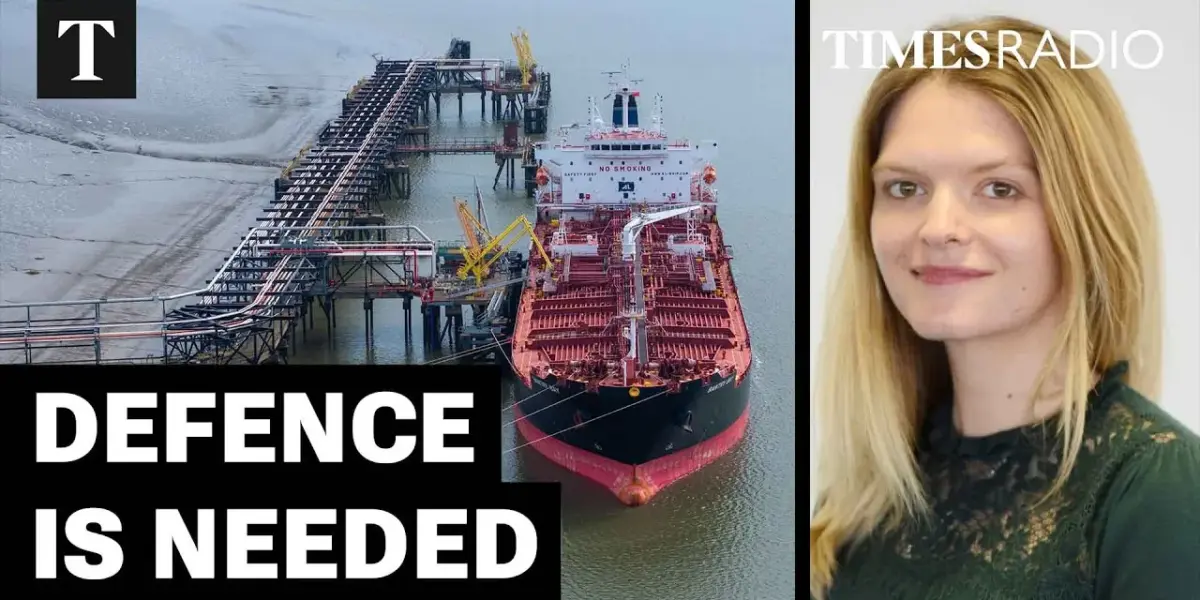
The security of commercial shipping in the Strait of Hormuz, a vital global oil transit route, is a pressing concern. The UK is exploring options for protecting oil tankers, but the challenges are immense. “We haven’t got many warships to actually offer up,” Brown stated. European nations are hesitant to commit naval assets due to the high risk of missile and drone attacks. Any deployment would require a robust and viable plan to ensure the safe passage of vessels without unduly endangering troops. The UK government is also considering the legal implications of potential involvement, drawing parallels to past debates about the use of British bases for military strikes.
Navigating the Dangers
Protecting even a single oil tanker requires a significant operation. Brown recalled her experience in 2019 aboard HMS Montrose, a frigate that escorted three oil tankers. “That was one frigate to one warship for three oil tankers,” she explained. Today, the threat is far greater, involving not only fast boats and machine guns but also advanced missiles and drones. “You’d also need air cover from the skies. So you might need jets in the skies to try and find out where missiles are being launched from,” she added. This necessitates a large-scale, coordinated effort involving multiple allied nations.
Personal Account of Tensions
Brown described the atmosphere in the Strait of Hormuz during her 2019 deployment as “weirdly exciting slash terrifying.” Tensions were high due to Iranian fast boats harassing UK ships, a tactic known as harassment. While no shots were fired, the exchanges were intense. The situation escalated after the UK seized a vessel carrying oil to Syria, leading Iran to retaliate by seizing a British vessel. These events underscore the volatile nature of the region and the risks involved in maritime operations.
Source: The UK Needs Help From Allies To Defend Their Oil Tankers In The Strait Of Hormuz | Larisa Brown (YouTube)

Related Articles
Iran Blocks China Ships, Exposing Beijing’s Weak Grip
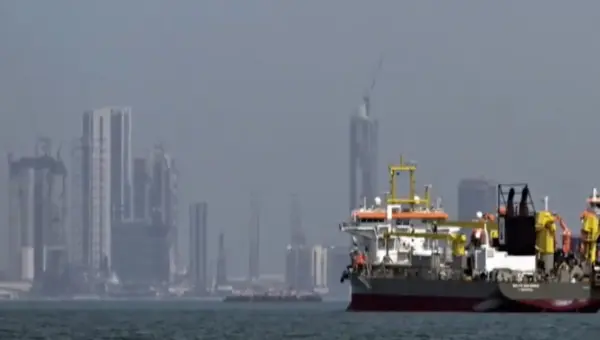
Iran's recent decision to block Chinese ships at the Strait of Hormuz is exposing the limits of Beijing's influence in the Middle East. This action is causing delays and cancellations for Chinese manufacturers, turning a perceived geopolitical win into an economic strain.
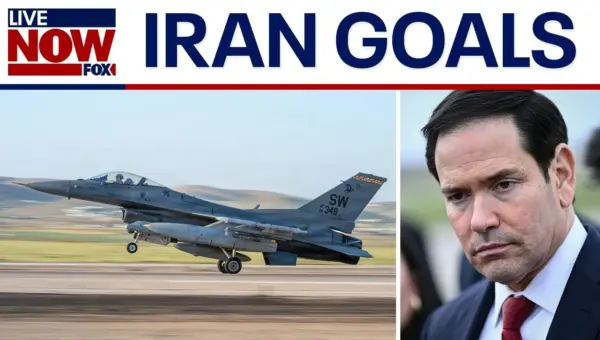
Rubio: US Can Achieve Iran War Goals Without Troops
Senator Marco Rubio outlined a strategy to counter Iran without deploying U.S. ground troops, focusing on weakening the regime and enhancing maritime security. He also criticized Cuba's economic system and expressed concerns about West Bank violence.


Israel Escalates Iran Strikes, Warns of Wider War
Israel has launched significant strikes inside Iran following continued missile fire, warning of further escalation. The conflict risks wider regional instability and economic disruption, especially concerning the Strait of Hormuz.