Ukraine Offers Drone Defense System to Allies
Ukrainian President Volodymyr Zelenskyy proposed a joint defense initiative, offering Ukraine's advanced drone defense systems and expertise to international partners. He highlighted combat-proven capabilities in countering drone attacks and proposed extending this system to the Middle East and Gulf regions to counter evolving threats.

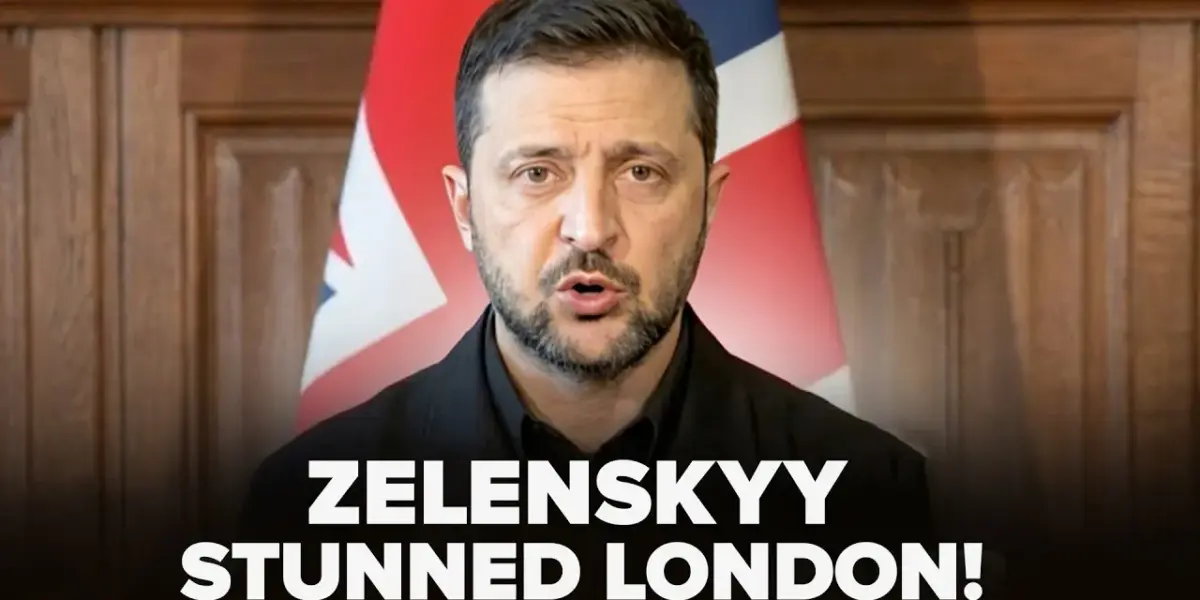
Ukraine Offers Drone Defense System to Allies
Ukrainian President Volodymyr Zelenskyy has proposed a new defense cooperation initiative, offering Ukraine’s combat-proven expertise in drone warfare and defense systems to international partners. Speaking before the British Parliament, Zelenskyy highlighted Ukraine’s advanced capabilities in countering drone attacks, drawing parallels between the evolving nature of warfare and the need for nations to stay ahead of emerging threats.
Ukraine’s Drone Expertise
Zelenskyy emphasized that Ukraine has become a leader in developing and deploying effective defenses against drone attacks, particularly those utilizing technologies like the Iranian-made Shahed drones. He explained that Ukraine was forced to rapidly innovate due to constant attacks, developing systems that are more cost-effective than traditional air defense methods. “In Ukraine, we stop one such drone with two or three interceptors, small interceptors costing less than $10,000 in total,” Zelenskyy stated, contrasting this with the much higher costs of traditional missile defense systems.
The Ukrainian President detailed how his nation has developed a comprehensive system for real-time battlefield awareness and defense management. This system, visualized on devices like iPads, allows Ukrainian leaders and military commanders to monitor front lines, track enemy movements, and analyze defensive actions. “This iPad also shows every strike in our skies, our sea area, and our long-range strike against Russia,” he explained. “It gives us realtime control over people’s safety and our infrastructure and energy sector.”
Middle East and Gulf Cooperation
A significant part of Zelenskyy’s address focused on extending this expertise to the Middle East and Gulf region. He revealed that 21 Ukrainian military experts are already in the region, with another 34 ready to deploy. Teams are operating in the United Arab Emirates, Qatar, and Saudi Arabia, with plans to extend to Kuwait and other nations. This initiative is a direct response to requests from partners, including the United States, and aims to counter the proliferation of Iranian drones and ballistic missiles.
Zelenskyy highlighted the concerning cooperation between Russia and Iran, noting that Iranian Shahed drones used in the region now contain Russian components. This alliance, he argued, creates a shared threat that extends beyond regional conflicts. “So what is happening around Iran today is not a farway war for us because of the cooperation between Russia and Iran,” he warned.
Strategic Implications and Future Threats
The President stressed that the evolution of warfare, driven by technologies like drones and artificial intelligence (AI), requires a proactive approach to security. He warned that these advancements are not only making traditional warfare more dangerous but are also lowering the barrier to entry for non-state actors and terrorist groups. “Mass attacks no longer cost billions. They cost far less,” Zelenskyy noted.
He proposed that Ukraine’s developed system could provide enhanced security for critical infrastructure, trade routes, and populations in regions facing similar threats. “If a Shahid needs to be stopped in the Emirates, we can do it. If it needs to be stopped in Europe or the United Kingdom, we can do it,” he asserted, framing it as a matter of technology, investment, and cooperation.
Naval Drones and Battlefield Data
Zelenskyy also touched upon Ukraine’s success in developing naval drones to counter Russia’s Black Sea fleet. He described how Ukraine has evolved its naval drone capabilities from simple kamikaze drones to systems capable of shooting down helicopters and even fighter jets. This innovation, he suggested, offers solutions for maritime security challenges faced by other nations, including in complex areas like the Strait of Hormuz.
Furthermore, he presented Ukraine’s system of digitally tracking battlefield activity as a world-first. This comprehensive data collection and analysis, verified by video evidence, provides an accurate picture of the conflict, including Russian losses. “This is the first example in the world of full digital tracking of war,” Zelenskyy stated, emphasizing its importance for effective defense and strategic decision-making.
Call for Joint Defense Production
The core of Zelenskyy’s proposal is a call for joint defense projects, particularly in the area of air defense and drone production. He highlighted Ukraine’s capacity to produce thousands of effective interceptors daily and offered to supply allies with these systems. “We need about 1,000 interceptors a day and we can supply at least another 1,000 a day to our allies,” he said.
He concluded by emphasizing that collective action is crucial to ensure future security and prevent a world where drones, rather than people, dictate the terms of safety. “We must act now so that the future generation will say these leaders acted when it mattered and that people lived in safety,” Zelenskyy urged. He noted that he had presented an iPad demonstrating this system to King Charles III as a symbol of this potential cooperation.
Source: ⚡Zelenskyy delivered an ADDRESS in London! Announced BREAKING NEWS. Listen (YouTube)

Related Articles

Ukraine Hits Russian Oil, Pentagon Eyes Aid Shift
Ukraine's strikes are crippling Russian oil exports, with 40% of capacity offline. Meanwhile, the Pentagon may shift air defense aid to the Middle East. Ukraine is countering by deepening ties with Saudi Arabia and other Gulf nations, leveraging its combat experience.
Ukraine Strikes Russian Oil Refinery, Eyes Iran Threat
Ukrainian forces struck a key Russian oil refinery, disrupting Moscow's war capabilities. Meanwhile, Finland's president urged continued U.S. support for Ukraine, as Kyiv shares its air defense expertise globally amid growing geopolitical complexities involving Iran and potential sanctions against Hungary.


Trump Halts Iran Strikes Amid Stalled Diplomacy
President Trump announced a pause on planned strikes against Iran, citing productive talks, though Iran denies negotiations occurred. Reports also suggest a potential U.S. ground operation on Iran's Hark Island. The situation raises concerns about international support for Ukraine and potential shifts in U.S. foreign policy.