Storms Unleash Chaos: Tornadoes, Blizzards, and Heat Waves Hit US
The U.S. is facing a dramatic weather crisis, with tornadoes hitting the East Coast, a historic blizzard paralyzing the Midwest, and a severe heatwave in the West. These extreme conditions are causing widespread power outages and significant disruptions at airports already strained by the spring break travel rush and government shutdown. International tensions are also escalating with increased conflict in the Middle East and a nationwide power grid collapse in Cuba.


Nation Gripped by Extreme Weather: Tornadoes, Blizzards, and Heat Waves Cause Widespread Disruption
The United States is currently experiencing a dramatic clash of weather systems, with severe storms battering the East Coast, a historic blizzard paralyzing the Midwest, and a sweltering heatwave gripping the West. This extreme weather is not only causing damage and power outages but also significantly disrupting air travel during the busy spring break season.
East Coast Faces Tornado Threat and Torrential Rain
Residents along the East Coast are contending with heavy rainfall and damaging winds. In North Carolina, an EF-0 tornado touched down, tearing the roof off a warehouse. The Carolinas also experienced strong winds, with one small business in South Carolina losing its metal roof. Further north, parts of Pennsylvania and New Jersey faced torrential downpours and even snow in some colder areas, while Florida was hit with heavy rain and strong winds.
Midwest Buried Under Historic Blizzard, Power Outages Widespread
A historic March blizzard has blanketed the Midwest, with Green Bay, Wisconsin, recording over 26 inches of snow, its heaviest snowfall in 138 years. The severe winter weather has led to widespread power outages, affecting over 400,000 homes and businesses from Michigan to Maine. The strong winds accompanying the snow also fanned a massive warehouse fire in Green Bay, complicating firefighting efforts as equipment froze in the low temperatures.
Western States Swelter Under Record-Breaking Heatwave
Meanwhile, the western United States is experiencing an unseasonable and dangerous heatwave. Millions are under heat alerts as temperatures soar 15 to 20 degrees above average, with some areas reaching triple digits. California, Nevada, and Arizona are particularly affected, facing record-breaking high temperatures that are expected to persist for several days.
Airport Chaos Intensifies Amidst Weather and Government Shutdown
The extreme weather conditions across the country have added to the chaos at the nation’s airports. Nearly 20,000 flight cancellations and delays have already occurred this week alone, impacting travelers during the peak spring break period. These disruptions are compounded by the ongoing partial government shutdown, which has led to staffing shortages at the TSA. Reports indicate significant increases in TSA officer call-out rates, resulting in longer wait times at security checkpoints. Airports in Atlanta, New York (JFK and LaGuardia), and Reagan National have been among the most affected.
Global Tensions Rise: Escalation in the Middle East and Cuba’s Grid Collapse
Beyond domestic weather concerns, international events are also unfolding rapidly. Explosions have been reported near the U.S. Embassy in Baghdad amidst escalating attacks in the Middle East. Israel announced it has killed top Iranian officials, including the country’s national security adviser, as the conflict intensifies. The U.S. State Department has ordered Americans in Iraq to leave the country. In Cuba, the entire electric grid has collapsed, plunging millions into darkness and deepening an existing energy and economic crisis. President Trump has made remarks about the U.S. potentially intervening in Cuba.
Consumer Trends: The Rise of ‘No Rush’ Shipping
Amidst these widespread issues, a notable consumer trend is the growing preference for ‘no rush’ shipping. Despite years of retailers focusing on faster delivery, many shoppers are now willing to wait longer for their online purchases if it means saving money. This shift is driven by affordability concerns and the rising costs of shipping for retailers. Data shows that slower, cheaper shipping options now make up a larger percentage of all shipments compared to previous years. Retailers are adapting by offering incentives for customers who choose slower delivery, and some are even observing that customers who opt for ‘no rush’ shipping are less likely to return items.
Looking Ahead: Continued Weather Impacts and International Developments
As the nation grapples with this multifaceted crisis, attention will remain on the evolving weather patterns, the ongoing disruptions at airports, and the developing international situations. The ability of authorities to manage these challenges, from restoring power in storm-affected areas to navigating geopolitical tensions, will be closely watched in the coming days.
Source: Full Episode: TODAY Show – March 17 (YouTube)

Related Articles


Government Shutdown Strains TSA, Sparks Airport Chaos
A recent government funding bill's passage hasn't immediately fixed widespread airport delays. TSA staffing shortages, caused by delayed paychecks from the shutdown, are leading to extreme wait times. Travelers face missed flights and frustration, while TSA workers question their job security.

Senate Races Heat Up as Airport Chaos Fuels GOP Woes
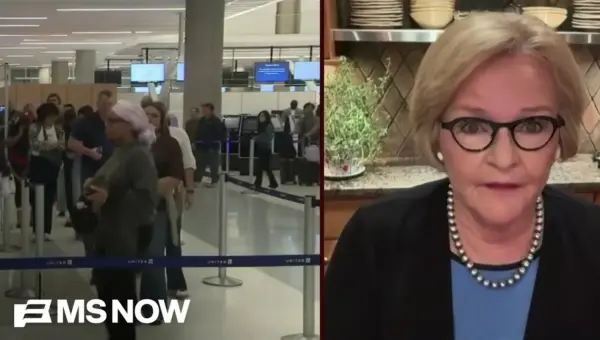
Chaotic airport scenes and a protracted government shutdown are fueling public frustration and intensifying the blame game, potentially impacting the upcoming November elections. As Republicans face criticism for misplaced priorities, the Senate races are heating up, with Democrats expressing optimism about their chances.


Democrats Block DHS Funding, Sparking Airport Chaos and ICE Debate
A DHS funding standoff has led to airport chaos, with Democrats imposing strict limits on ICE as a condition for funding. Critics argue these demands hinder essential enforcement and are politically motivated. The debate highlights concerns over border security and public safety.