Israel Targets Iran’s Elite, Mimicking Hezbollah Strategy
Israel is reportedly intensifying its campaign against Iran's leadership, adopting tactics similar to its strategy against Hezbollah. Analysts note a systematic effort to eliminate key figures, starting from the top. Meanwhile, a ceasefire agreement in Lebanon remains largely ineffective as Hezbollah continues military activities, complicating efforts for peace and stability in the region.

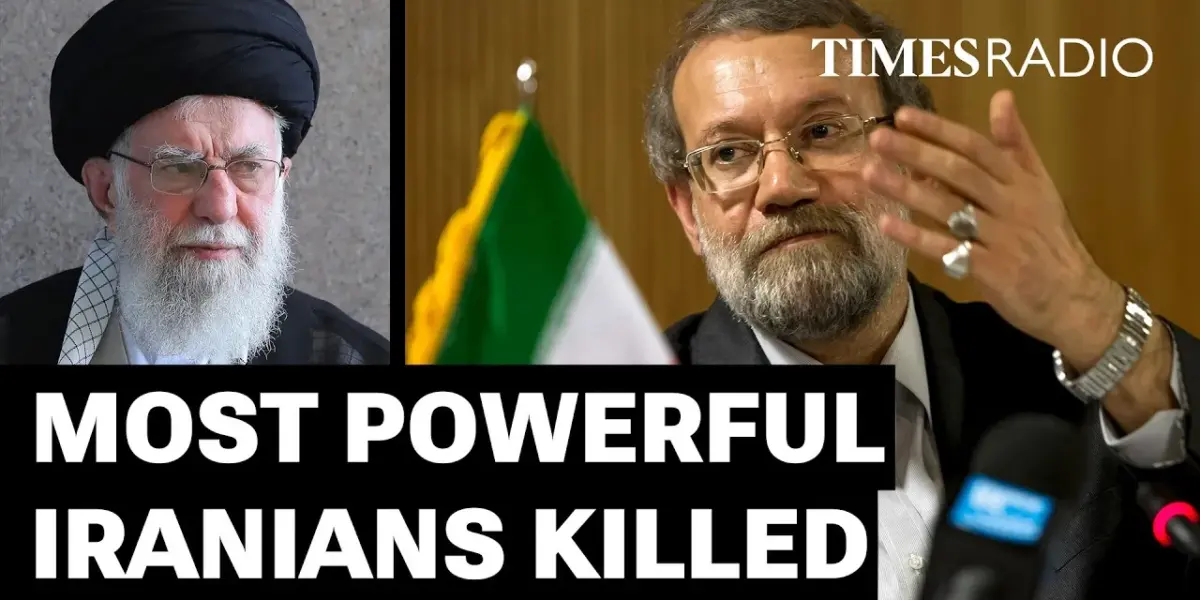
Israel Strikes Iran’s Top Ranks, Analysts Draw Parallels to Hezbollah Tactics
Israel appears to be adopting a strategy against Iran’s leadership that closely mirrors its past actions against Hezbollah. This approach involves systematically targeting and eliminating key figures, starting from the very top and moving down the chain of command. The recent killing of Ayatollah Ali Larijani, identified as the second most powerful man in Iran and head of the Supreme National Security Council, exemplifies this tactic.
Hezbollah Playbook Deployed in Iran
Lena Katib, a fellow at the Middle East and North Africa program at Chatham House, explained the similarity in approach. “With Hezbollah, there was a systemic campaign to get rid of the leadership of the group starting at the very top with the secretary general and moving down several layers of leadership,” Katib stated. “We’re seeing something very similar in Iran.”
Larijani was considered a significant figure, known to Western diplomats involved in nuclear negotiations. Some observers suggested he could have been a potential figure for brokering peace. However, Katib countered this notion, stating, “If the US and Israel had thought that Larijani would be someone they wanted to negotiate with, they would not have assassinated him in the first place.” This suggests a deliberate strategy to dismantle Iran’s leadership structure rather than engage in diplomacy with its key figures.
Lebanon Ceasefire Agreement Falters
The discussion also turned to the situation in Lebanon, where hopes for lasting peace after the last round of fighting in 2024 have been dashed. Katib highlighted that the ceasefire agreement, which went into effect on November 27, 2024, has not been upheld by Hezbollah. The agreement required Hezbollah to disarm and cease moving fighters or weapons within Lebanon.
Instead, Hezbollah has reportedly continued its military activities. This includes refurbishing long-range missiles, relocating fighters, ongoing training, and attempting to smuggle weapons into the country. Meanwhile, Israel has maintained a high rate of strikes against Hezbollah targets. Katib noted that from the ceasefire date until the end of 2025, Israel struck 722 Hezbollah targets in Lebanon, indicating a persistent military engagement despite the theoretical ceasefire.
Lebanese Army’s Limited Role
The 2024 ceasefire agreement also placed responsibility on Lebanon’s army to enforce its terms. However, the Lebanese army has historically struggled with its national defense capacity, making it difficult to confront a powerful group like Hezbollah. “The Lebanese army unfortunately has always been quite weak,” Katib observed.
Beyond capacity issues, deep sociopolitical dynamics in Lebanon complicate the situation. Hezbollah is not merely a militia but also a political party representing a significant portion of the Shia Muslim population. Confronting Hezbollah militarily could ignite sectarian tensions, which the Lebanese army has sought to avoid. This delicate balance of capacity and political sensitivity has hindered decisive action by the army.
Hezbollah as an Iranian Proxy
Despite the Lebanese government’s stated desire to disarm and avoid involvement in the wider conflict, Hezbollah’s actions suggest a different agenda. Katib characterized Hezbollah as an “Iranian tool” that follows orders from Tehran, rather than acting solely in Lebanon’s interest. “Hezbollah has also shown that its pretense that it acts for Lebanon has now fallen,” she said.
The influence of Iran is seen as a primary reason for Hezbollah’s refusal to disarm. Iran views Hezbollah as a crucial proxy and a strategic asset for maintaining influence in the Middle East, especially given its proximity to Israel. This Iranian directive has left the Lebanese government with little say in the matter.
Potential Future for Lebanon
The current situation in Lebanon, marked by persistent conflict and displacement, raises questions about the future for its people. Katib suggested that a lasting resolution would require a political and security deal between Israel and Lebanon. This would ideally involve Lebanon officially recognizing Israel, thereby ending the state of war that has existed since Israel’s establishment in 1948.
Such a formal peace agreement could remove Hezbollah’s justification for its armed resistance, as Israel would no longer be considered the enemy. In this scenario, the southern region of Lebanon could be secured by the Lebanese army. However, Katib cautioned that achieving such a diplomatic framework would be a difficult, lengthy, and costly process. Without a clear diplomatic path, the cycle of conflict and displacement may continue.
Source: Israel Killing Iran’s Leaders ‘From Top Down’, Repeating Hezbollah Playbook (YouTube)

Related Articles
Iran’s Missile Threat Reduced by 90%, Analyst Says
An analyst reports that Operation Epic Fury has degraded Iran's missile launchers by 90%, despite challenges in targeting hidden sites. The conflict's duration and media coverage are also discussed, with implications for global energy markets and investor confidence.
Iran Missile Strikes Injure US Troops, Raise War Concerns
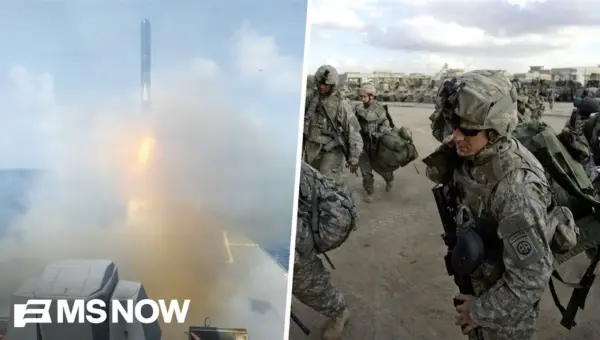
Iranian missile strikes have injured U.S. service members, escalating tensions as the conflict nears one month. The attacks are raising concerns about the effectiveness of U.S. military strategy and the depletion of crucial missile stockpiles. Global oil prices have surged, impacting economies worldwide.

Trump Delays Iran Strike Deadline Amidst Shifting Diplomacy
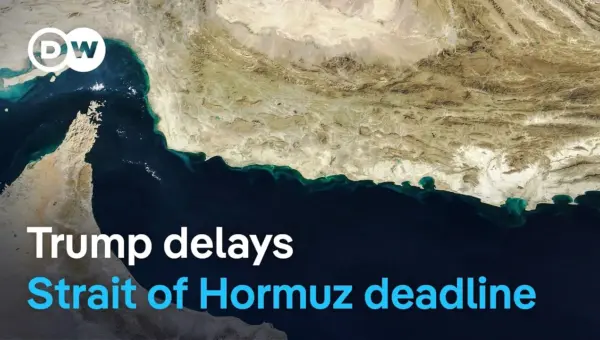
President Donald Trump has extended his deadline for potential strikes on Iranian energy plants to April 6th, amid reports of U.S.-Iran diplomatic talks mediated by Pakistan. This move comes as Israel continues its strikes on Iran and the U.S. deploys additional military assets to the region. Analysts point to mixed signals, economic pressures, and strategic miscalculations as key factors shaping the evolving situation.