Trump Ignored Warnings, Sparking Iran Crisis
Reports reveal Donald Trump ignored military warnings about Iran, potentially closing the Strait of Hormuz. This decision could lead to soaring oil prices and shortages, possibly eclipsing the 1970s crisis.

Trump Ignored Warnings, Sparking Iran Crisis
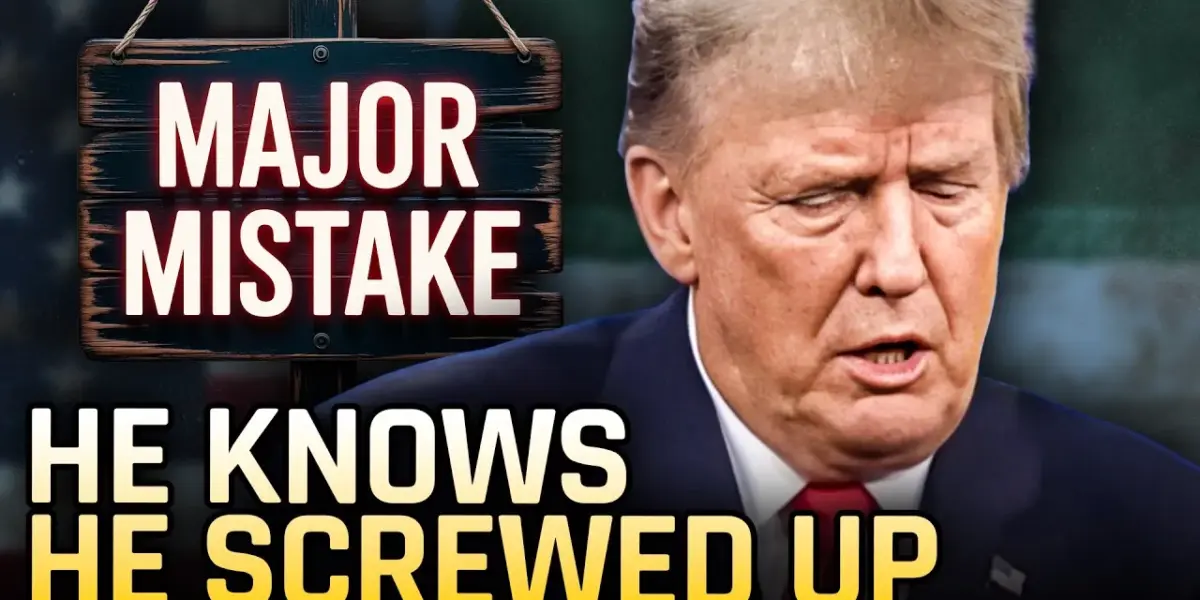
New reports suggest that former President Donald Trump disregarded advice from top military officials before taking action against Iran. These experts warned that striking Iran could lead to critical disruptions in global oil trade. Specifically, they cautioned that Iran might close the Strait of Hormuz, a vital waterway for oil transport. If not fully closed, Iran would likely attack shipping with missiles, drones, and mines.
Despite these serious warnings, the report indicates Trump acknowledged the risks. People familiar with internal discussions say he believed Iran would yield before attempting to close the strait. Trump also felt confident that the U.S. military could manage any such attempt. This decision, described as highly significant for his foreign policy, moved forward even with these expert concerns.
The military leaders’ message was clear: such an action was extremely risky and could harm the global economy. They viewed it as a potentially foolish move, especially when considering the economic impact. The officials explained that closing the strait would have far-reaching consequences for global trade. Trump, however, seemed to believe his strong stance would prevent Iran from taking such a drastic step.
“We got the strongest military in the world, they’ll give in to me before they close the straight of Hormuz.”
This perspective suggested a belief that his authority would be enough to deter Iran. He appeared to trust his own judgment over the detailed assessments from his military advisors. The outcome, according to the reports, is that the negative consequences predicted by the experts are now unfolding.
Military Faces New Dangers
The situation has created new dangers for U.S. military personnel. Military leaders have informed Trump that using U.S. naval ships in the Strait of Hormuz to protect oil tankers is too risky. They explained that such a presence would make American vessels easy targets for attack, putting soldiers’ lives in danger. The military officials stated they cannot undertake this mission as it would be too perilous.
However, they indicated they would follow orders if Trump directly commanded them to deploy. The current situation in the Strait of Hormuz is described as precarious. The report suggests that the effective closure of the strait is already impacting global oil markets. This has led to significant revisions in oil price predictions.
Economic Impact Looms
Oil analysts now predict that crude oil prices could reach $200 per barrel. This surge could cause the largest and fastest increase in gasoline prices ever seen worldwide. Experts believe this situation could be far worse than the oil crisis of the 1970s. Beyond just rising prices, analysts are warning of potential oil shortages if current trends continue.
For those who lived through the 1970s, the memory of long gas lines and shortages is vivid. While some may have experienced localized shortages after natural disasters, a widespread, prolonged shortage is a different concern. Such shortages could begin impacting the U.S. within a month, affecting more than just daily commutes.
The consequences extend to the delivery of goods, impacting everything from online shopping to essential supplies. The disruption to shipping means that everyday items, like those ordered online, might face delays or unavailability. This ripple effect touches nearly every aspect of transportation within the United States.
The current economic instability is directly linked to the decision to proceed with actions against Iran, despite expert warnings. It highlights a critical moment where strategic decisions have immediate and widespread global repercussions. The situation underscores the complex interplay between international relations, military strategy, and economic stability.
Why This Matters
This event serves as a stark reminder of the importance of heeding expert advice in foreign policy and national security. When leaders ignore the counsel of experienced military and intelligence professionals, the consequences can be severe and far-reaching. The potential for economic turmoil, including skyrocketing gas prices and shortages, directly impacts the daily lives of citizens worldwide.
The Strait of Hormuz is a critical chokepoint for global energy supplies, and its disruption has immediate economic effects. The analysis suggests that the current situation could dwarf past oil crises, indicating a potential for significant global economic strain. This underscores the fragility of global supply chains and the vulnerability of economies to geopolitical events.
Historical Context
The 1970s oil crisis, triggered by an OPEC oil embargo, saw dramatic price increases and widespread fuel shortages. This period significantly impacted the global economy and led to changes in energy policy. The current predictions suggest a potential for a similar, or even greater, disruption, emphasizing the recurring nature of such challenges in international energy markets.
Implications and Future Outlook
The current situation highlights the delicate balance of power and economic interests in the Middle East. The decisions made by world leaders regarding this region have profound implications for global energy security and economic stability. The potential for prolonged conflict and economic hardship necessitates careful diplomatic engagement and strategic decision-making.
Looking ahead, the ability of nations to navigate such crises will depend on international cooperation and a willingness to consider diverse perspectives. The reliance on global energy markets means that instability in key regions can have cascading effects. Future policy decisions will need to account for these interconnected risks.
The events surrounding the Strait of Hormuz underscore the need for a thorough understanding of geopolitical dynamics. Ignoring the warnings of seasoned professionals can lead to unintended consequences that affect global markets and everyday lives. This situation serves as a critical case study in the complexities of international relations and economic policy.
Source: Trump IGNORED All The Smart People About Iran (YouTube)

Related Articles

G7 Allies Clash Over Iran War Strategy, Urge Focus on Russia
G7 foreign ministers met in Paris, revealing deep divisions over the U.S. war with Iran. European allies urged the U.S. to pressure Russia, linking its actions to the conflict and fearing support for Ukraine will wane.

Iran Blocks China Ships, Exposing Beijing’s Weak Grip
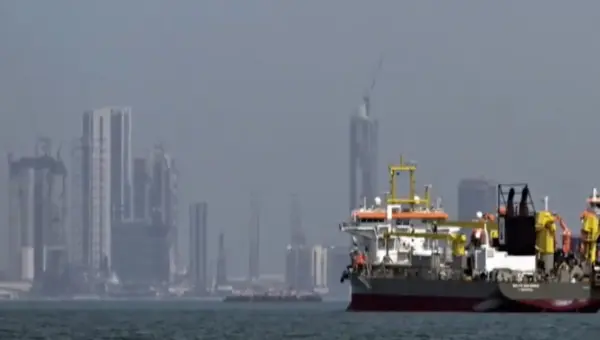
Iran's recent decision to block Chinese ships at the Strait of Hormuz is exposing the limits of Beijing's influence in the Middle East. This action is causing delays and cancellations for Chinese manufacturers, turning a perceived geopolitical win into an economic strain.
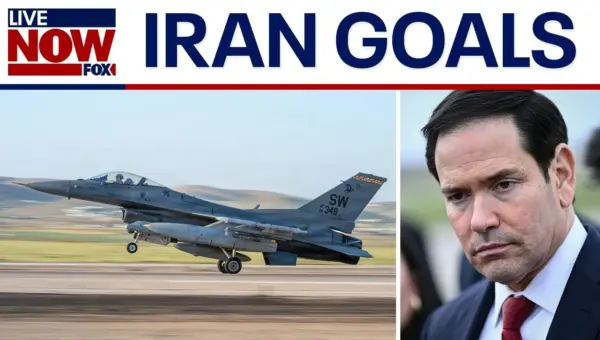
Rubio: US Can Achieve Iran War Goals Without Troops
Senator Marco Rubio outlined a strategy to counter Iran without deploying U.S. ground troops, focusing on weakening the regime and enhancing maritime security. He also criticized Cuba's economic system and expressed concerns about West Bank violence.