GOP Blocks TSA Funds, Demands ICE Reforms
Lawmakers are locked in a dispute over funding the TSA, with some Republicans refusing to pass a bill unless it includes significant reforms for ICE. This tactic raises questions about using essential services as political leverage and highlights ongoing debates on national security versus civil liberties.


GOP Blocks TSA Funds, Demands ICE Reforms
A recent political debate has brought a critical question to the forefront: should essential government services like the Transportation Security Administration (TSA) be funded separately from broader immigration policy debates? One side argues for funding the TSA to keep airports running smoothly and protect jobs. The other side insists that any funding bill must include significant reforms to Immigration and Customs Enforcement (ICE), citing concerns about civil liberties.
The Standoff Over TSA Funding
The core of the issue is a proposed bill to fund only the TSA. This seems like a straightforward request: keep air travel safe and ensure TSA agents get paid. However, some lawmakers have declared this approach “not acceptable.” They argue that this is a way to avoid addressing larger problems within the immigration system.
Demands for ICE Reform
The lawmakers blocking the TSA funding are pushing for reforms to ICE. Their starting point for these reforms is protecting what they call “constitutional rights.” This includes specific demands like ending warrantless door-knocking, stopping the rough handling of individuals, and preventing injuries to elderly citizens during enforcement actions. They also want to see an end to the practice of agents wearing masks, insisting on visible identification badges.
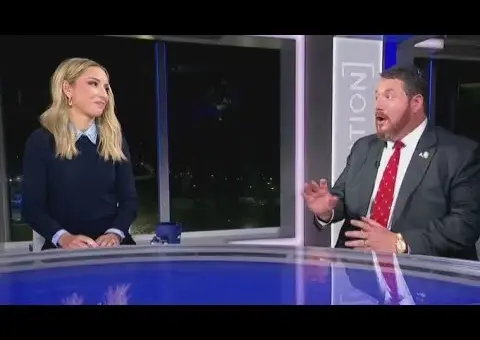
“We’re going to start from the point that we protect our constitutional rights. No knocking down doors without warrants. No pulling people to the ground. No cracking ribs of 79year-old citizens and getting away with it. None of that. And and also, no masks, please. No masks. identifiable badges.”
These are presented as non-negotiable starting points before any agreement on other matters can be reached. The argument is that these two issues – TSA funding and ICE reform – are separate and should be treated as such. However, the opposing view sees them as linked, using the TSA funding as a bargaining chip.
Accusations and Counterarguments
The debate has become heated, with one commentator suggesting that the refusal to fund the TSA implies a desire to see “terrorist attacks continue.” This point was quickly dismissed as a “dumb point” by others. The counterargument is clear: no one wants terrorist attacks to happen. Funding the TSA is seen as a direct way to prevent disruptions and ensure security. Therefore, proposing a bill to fund the TSA should be a logical step, not a point of contention.
The core of the disagreement seems to be whether to tie the operational needs of a security agency like the TSA to demands for significant changes in another agency’s practices. Those pushing for ICE reform believe that these issues are intertwined and cannot be ignored. They see the TSA funding as an opportunity to force a conversation and action on what they view as serious human rights concerns.
Why This Matters
This political maneuvering highlights a common tactic in Washington: using essential government functions as leverage in broader policy battles. When Congress cannot agree on major issues, funding for agencies can become a battleground. This can lead to disruptions, uncertainty for government employees, and potential impacts on public services.
The debate also touches on fundamental questions about the balance between national security and civil liberties. The demands for ICE reform reflect deep concerns about the power and practices of law enforcement agencies. The insistence on TSA funding reflects the need to maintain public safety and economic stability through travel.
Implications and Future Outlook
The immediate implication of this stalemate is uncertainty for TSA employees and travelers. Potential disruptions at airports could arise if funding is not secured. In the longer term, this incident could set a precedent for how future funding battles are conducted. It raises questions about whether essential services will consistently be held hostage in political disputes.
Looking ahead, voters will likely watch how these tactics play out. The public generally expects government to function smoothly. When it doesn’t, especially due to political infighting, it can lead to frustration and disillusionment. The outcome of this particular dispute could influence public opinion on both the specific immigration reforms being demanded and the broader strategy of using funding as a political weapon.
Historical Context
Funding disputes in Congress are not new. Throughout history, disagreements over budgets and policy priorities have led to government shutdowns and standoffs. Often, these disputes involve complex issues where compromise is difficult to find. The current debate over TSA funding and ICE reform is a modern example of this long-standing political dynamic, reflecting ongoing tensions around immigration, security, and the role of government agencies.
Source: Republican CAUGHT Refusing to Fund TSA #politics #fyp #new (YouTube)

Related Articles

House Republicans Reject Senate Deal, Sparking Government Funding Clash
House Republicans have rejected a Senate bill to end the government shutdown, citing insufficient border security measures. Congressman Randy Fine called the Senate deal a "disgrace" and highlighted the ongoing fight for full government funding. President Trump's executive order to pay TSA agents offers temporary relief, but the core disagreement over border security continues to paralyze Washington.

Voter ID: Common Sense or Suppression?
A growing debate surrounds voter ID laws, with proponents calling them a common-sense measure against fraud and opponents fearing voter suppression. Many countries and U.S. states already require ID to vote.

TSA Funding Fight Sparks Airport Chaos, Worker Exodus
TSA officers will soon receive back pay after President Trump signed an emergency order, but the ongoing congressional funding fight continues to cause airport chaos. Long security lines and a significant number of TSA officer resignations highlight the deep divisions over border security measures, leaving travelers frustrated.