Ukraine’s Drones Strike Russian Forces From Afar
Ukraine is employing advanced drone tactics, using Starlink for long-range strikes against Russian forces. This shift allows operators to stay far from front-line dangers, impacting battlefield dynamics.

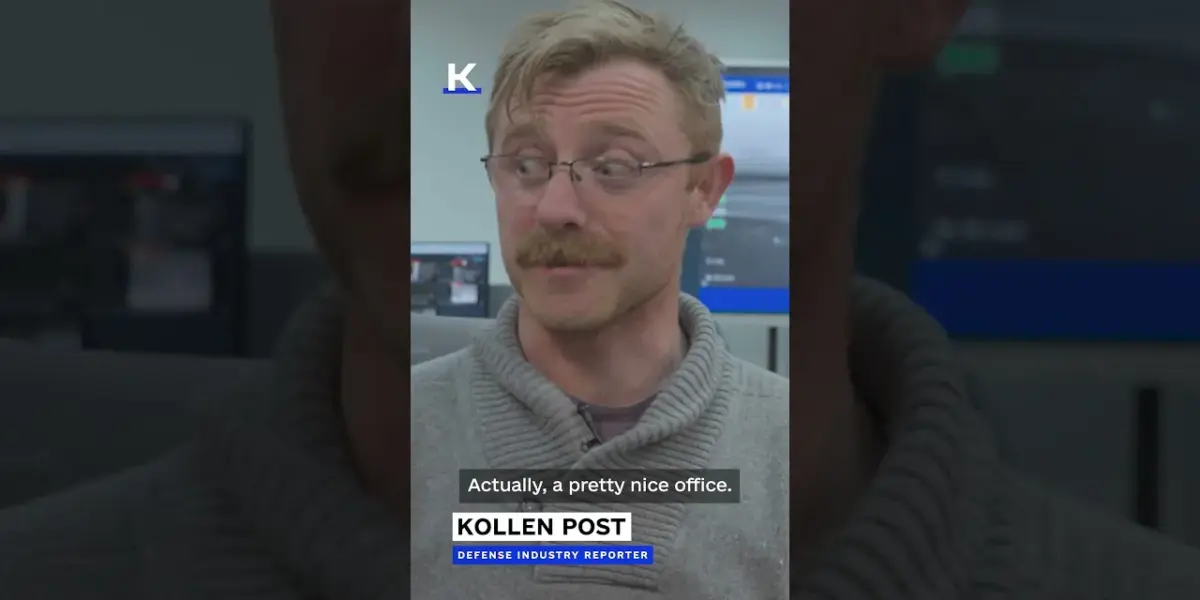
Ukraine’s Drones Strike Russian Forces From Afar
Far from the front lines, Ukrainian forces are using advanced technology to hunt Russian soldiers from hundreds of kilometers away. This new approach moves away from traditional trench warfare, allowing operators to work safely behind the lines.
New Tactics Emerge from the Conflict
In an office in Kyiv, operators like Oleg and Anton are on duty. Their work involves long shifts, similar to those at a data center. Instead of fixing computer systems, they are tracking and targeting Russian troops. This modern method contrasts sharply with the public’s image of close-quarters fighting.
Starlink Enables Long-Range Operations
A key technology making these extended-range missions possible is Starlink. This satellite internet service provides reliable connectivity even in remote areas. The drone unit Nemesis, a leading military group in Ukraine, is using Starlink. They equip their heavy bomber drones with these terminals.
Nemesis Unit Conducts Real-Time Strikes
Nemesis is one of only two Ukrainian units that use Starlink on their larger drones. These drones are capable of flying deep into enemy territory. The pilots can control these aircraft and watch live feeds of their missions. This allows them to strike Russian positions with precision, often in real-time. The unit has shown its ability to disrupt Russian forces without putting pilots in direct danger.
Strategic Implications
This shift in tactics has significant strategic implications for the conflict. By operating drones from hundreds of kilometers away, Ukraine can target Russian logistics, command centers, and troop concentrations without risking its pilots or expensive aircraft in immediate combat zones. This extends Ukraine’s reach and forces Russia to defend a much larger area. It also reduces the immediate threat to Ukrainian personnel, allowing them to focus on strategic objectives rather than immediate survival.
What This Means on the Ground
For Russian forces, this means they are no longer safe even far behind the front lines. Supply convoys, rear bases, and command posts can be attacked with little warning. This can disrupt their ability to resupply troops and coordinate attacks. For Ukraine, it means a more efficient use of resources and personnel. They can achieve battlefield effects without the high risks associated with close combat. This approach also allows for continuous pressure on Russian forces, degrading their capabilities over time.
Historical Parallels
While the technology is modern, the concept of striking enemy rear areas is not new. Throughout history, armies have used long-range artillery, bombers, and special forces to attack enemy supply lines and command structures. The difference now is the speed, precision, and reduced risk offered by drone technology combined with satellite communication. Think of it like a sniper being able to hit targets from miles away, but instead of a single soldier, it’s a whole unit controlling a flying weapon.
Technological Advantage
The use of Starlink by units like Nemesis highlights the importance of communication technology in modern warfare. Starlink provides a robust internet connection that is difficult for adversaries to jam or disrupt. This allows for continuous, high-quality video feeds and control signals, essential for complex drone operations. The ability to operate heavy bomber drones, which are larger and carry more ordnance than smaller reconnaissance drones, from such distances represents a significant leap in Ukraine’s offensive capabilities.
Geopolitical Impact
The successful implementation of these long-range drone strikes by Ukraine demonstrates the effectiveness of Western technological support. It puts pressure on Russia and highlights the challenges it faces in countering advanced, networked warfare. This could influence future military aid packages and encourage further innovation in drone warfare globally. It also shows how non-traditional military units, often formed by volunteers and equipped with commercial technology, can play a crucial role in modern conflicts.
Source: How Ukrainians hunt Russian troops from hundreds of kilometers away (YouTube)

Related Articles

G7 Allies Clash Over Iran War Strategy, Urge Focus on Russia
G7 foreign ministers met in Paris, revealing deep divisions over the U.S. war with Iran. European allies urged the U.S. to pressure Russia, linking its actions to the conflict and fearing support for Ukraine will wane.

Ukraine’s New Strategy Cripples Russian Oil Exports
Ukraine's new multi-layered strategy is rapidly disabling Russia's oil export capabilities. By attacking loading facilities and working with allies to intercept the "shadow fleet," Ukraine is significantly reducing Russia's oil revenues, even amidst rising global energy prices.


Ukraine Eyes Missile Production Boost
CBS correspondent Eden Stretch reports on Ukraine's growing role in defense manufacturing, particularly missile systems. She also details the resilience of Ukrainian families through a harsh winter and discusses the evolving perception of Ukraine as a strategic partner rather than a drain on U.S. resources.