Trump’s Iran War Backfires, Allies Shun U.S. Calls
President Trump's Iran conflict is facing a backlash as allies refuse to help, citing his past insults. Internal White House divisions and fears of escalation add to the crisis. Trump's alleged accusation of treason against journalists for unfavorable reports highlights a pattern of controlling narratives amidst growing international isolation and domestic political challenges.

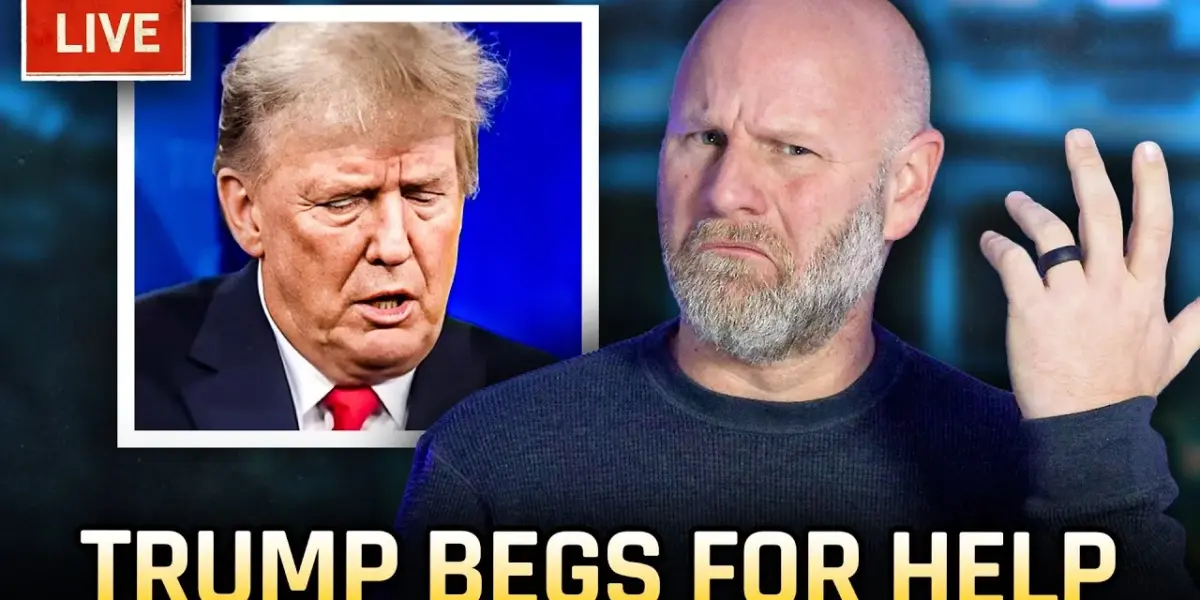
Trump’s Iran War Backfires, Allies Shun U.S. Calls
President Donald Trump is reportedly furious that allies he has often criticized are not rushing to his aid in a conflict with Iran. This situation highlights a growing disconnect between Trump’s transactional approach to foreign policy and the traditional reliance on long-standing alliances.
A Year of Insults, Now a Plea for Help
For months, Trump has publicly belittled and insulted leaders and nations that are part of alliances like NATO. He has imposed tariffs and questioned the value of these partnerships. Now, facing a complex situation in the Middle East, he finds himself asking for support from the very countries he has alienated. This has led to a predictable response: many allies are refusing to get involved, stating they will not send troops to fix a problem they see as stemming from U.S. actions.
“We’re always there for NATO. We’re helping them with Ukraine. It’s got an ocean in between us, doesn’t affect us, but we helped them.”
Trump’s comments suggest he feels a one-sided obligation from allies. However, critics argue that his administration has damaged the trust and mutual respect essential for such alliances. Countries like Australia, Japan, France, and the UK are among those reportedly declining to join military action, leaving the U.S. in a more isolated position.
Internal Divisions and Escalation Fears
Reports suggest that even within Trump’s own White House, there are significant divisions regarding the Iran conflict. Some officials reportedly favored a more aggressive stance, while others recognized the situation was far more complex and dangerous than initially perceived. This internal conflict raises concerns about the decision-making process and the potential for unintended escalation.
Sources indicate that Trump may have overestimated his ability to achieve his goals without direct military intervention. The disruption in the Strait of Hormuz, a vital shipping route, has reportedly made him even more determined to press forward. This dynamic creates an “escalation trap,” where continued actions to assert dominance lead to diminishing returns and fewer options for de-escalation.
Ego and the Inability to Admit Mistakes
A key factor highlighted is Trump’s perceived inability to admit he is wrong. This ego-driven approach means he is unlikely to back down unless a clear scapegoat is found. This could lead to a prolonged conflict with potential loss of life, both for U.S. service members and in Iran. The transcript mentions a grim toll of 17 confirmed U.S. military deaths resulting from actions related to Iran.
The internal White House turmoil is reportedly driven not by concern for casualties, but by the negative impact on Trump’s administration and poll numbers. The fear is that this conflict could lead to significant Republican losses in upcoming elections.
Weaponizing Words: Treason and Fake News
Adding another layer to the situation, Trump has reportedly accused journalists of treason for reporting information he deems unfavorable. Specifically, The Wall Street Journal faced accusations of treason for reporting on Iran’s actions. This tactic is seen by critics as an attempt to intimidate the press and control the narrative.
“The story was knowingly fake. And in a certain way, you can say that those media outlets that generated it should be brought up on charges for treason for the dissemination of false information.”
Legal experts and commentators point out that such accusations often lack legal basis. The media, in the United States, has significant legal protections regarding reporting, even if inaccuracies occur. The repeated use of terms like “treason” and “domestic terrorist” by Trump and his allies is seen as diluting their meaning and serving as a political tool rather than a factual descriptor.
Historical Context and Future Outlook
This situation echoes historical patterns where leaders facing domestic or international pressure lash out or pursue aggressive foreign policies. The breakdown of diplomatic channels and the reliance on strong rhetoric rather than negotiation have often led to unforeseen consequences. The transcript compares Trump’s actions to those of Nero, suggesting a disregard for consequences.
The future outlook appears challenging. If Trump continues on this path, the U.S. may face further international isolation and a prolonged, costly conflict. The damage to diplomatic relationships could take generations to repair. The internal divisions and the president’s personal approach to decision-making suggest a continued period of instability and potential crisis.
Why This Matters
This analysis is crucial because it reveals the potential dangers of a foreign policy driven by personal ego and a disregard for established alliances. When a leader alienates allies and prioritizes personal validation over strategic partnerships, the nation’s security and economic interests can be severely compromised. The conflict with Iran, as described, appears to be a manifestation of these deeper issues, with potentially far-reaching consequences for global stability and American influence.
Source: Trump Begs For Help As Iran War Goes Haywire (YouTube)

Related Articles

Protesters Challenge Presidential Power, Ignite Debate
Millions are protesting nationwide under the "No Kings" banner, challenging presidential authority and policies they deem unconstitutional. Organizers emphasize First Amendment rights while debating foreign policy, immigration, and the balance of power.
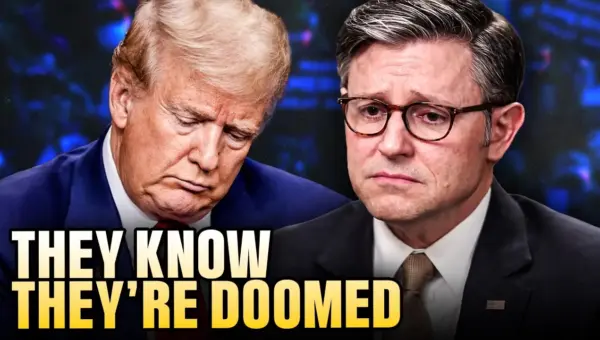
Polls Spell Doom: Republicans Face Voter Backlash
New polling data reveals a sharp decline in public confidence regarding the economic impact of Republican policies, particularly under Donald Trump. A significant majority now feel financially worse off, a trend that is especially pronounced among independent voters. This economic discontent poses a major challenge for the Republican party heading into future elections.
Americans Rally for Democracy Amidst War and Economic Woes
Thousands of Americans are participating in "No Kings" rallies nationwide, demanding accountability from leaders and drawing parallels to historical movements that spurred significant change. The protests occur amidst a controversial war with Iran, economic uncertainty, and a partial government shutdown. Organizers emphasize solidarity, joy, and the power of collective action in defending democracy.