Iran Tensions Rise as Trump Loses Key Leverage
Global leaders are reportedly hesitant to back U.S. actions in the Strait of Hormuz, suggesting President Trump may be losing leverage with Iran. This complex situation raises questions about intelligence briefings and the long-term implications for regional security and global energy markets.

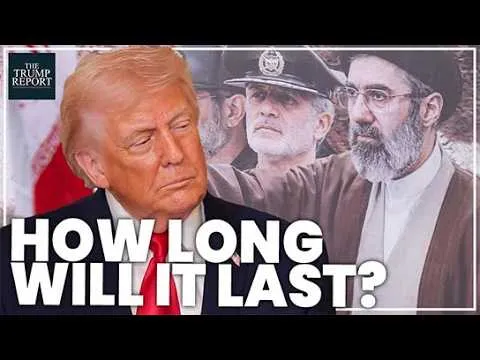
Iran Tensions Rise as Trump Loses Key Leverage
Reports suggest that President Donald Trump may no longer have the upper hand in his dealings with Iran. This comes as global leaders are showing hesitation to support U.S. actions in the Strait of Hormuz, a crucial waterway for oil transport. The situation points to a complex diplomatic challenge where the intended path to de-escalation, or an “off-ramp,” seems increasingly distant.
Global Allies Hesitate to Back U.S. on Iran
The United States has been seeking international cooperation regarding the tensions in the Strait of Hormuz. However, many world leaders are reportedly reluctant to offer their full support. This lack of backing from allies could weaken the U.S. position and make diplomatic solutions harder to find. It signals a potential shift in global alliances and priorities, where countries are more cautious about getting involved in direct confrontations.
Did Trump Know Iran Might Retaliate?
A key question emerging from the situation is whether President Trump was fully informed about the potential for Iran to retaliate or attack other nations before the U.S. decided to strike. If key intelligence was overlooked or downplayed, it could explain why the current strategy is facing such strong international disapproval and why the situation has escalated. Understanding the intelligence briefings is crucial to grasping the decision-making process that led to the current standoff.
The Complex History of U.S.-Iran Relations
The relationship between the United States and Iran has a long and complicated history. For decades, the two countries have been at odds over political influence, nuclear programs, and regional stability. Events like the 1953 coup, the 1979 Iranian Revolution, and the subsequent hostage crisis have created deep-seated mistrust. More recently, the 2015 Iran nuclear deal, known as the Joint Comprehensive Plan of Action (JCPOA), and the U.S. withdrawal from it in 2018, have significantly impacted diplomatic efforts.
The Trump administration pursued a policy of “maximum pressure” against Iran, aiming to curb its nuclear ambitions and influence in the region. This involved reimposing sanctions and taking a tougher diplomatic stance. However, critics argued that this approach risked further isolating Iran and potentially provoking aggressive actions, rather than bringing it to the negotiating table.
Why This Matters
The current situation is critical because it affects global energy markets and regional security. The Strait of Hormuz is vital for the world’s oil supply, and any disruption there can lead to price spikes and economic instability. Furthermore, heightened tensions between the U.S. and Iran could lead to a wider conflict, with devastating consequences for the Middle East and beyond. The reluctance of allies to support U.S. actions also raises questions about the effectiveness of American foreign policy and its ability to rally international support in times of crisis.
Implications and Future Outlook
The apparent loss of leverage for President Trump suggests that his administration’s strategy may not be achieving its intended goals. If global partners are unwilling to cooperate, it becomes much harder to isolate Iran or pressure it into negotiations. This could lead to a prolonged period of tension, with increased risks of miscalculation and conflict. It might also force a re-evaluation of U.S. foreign policy in the region, potentially leading to a search for new diplomatic approaches.
Looking ahead, the situation demands careful diplomacy and a clear understanding of the risks involved. The international community will be watching closely to see if a path toward de-escalation can be found. Without strong international backing, the U.S. may find itself increasingly isolated in its efforts to manage the complex relationship with Iran. The focus may need to shift from pressure tactics to more direct engagement, though the deep mistrust on both sides makes this a challenging prospect.
Source: Trump no longer ‘holds the cards’ on Iran — the off-ramp is out of sight (YouTube)

Related Articles
U.S. Iran Tensions Rise Amid Shifting Alliances
Rising tensions between the U.S. and Iran are creating a volatile geopolitical situation. With conflicting signals on de-escalation and potential shifts in alliances like NATO and U.S.-Israel relations, the path forward remains uncertain. The global economy and regional stability hang in the balance.


Iran Targets US With Cyberattacks, Escalating Digital Warfare
Iran is increasingly using cyberattacks to challenge the U.S., as seen in a recent hack of the FBI director's account. Experts say this is a strategic shift due to Iran's limitations in conventional warfare. The U.S. needs to strengthen its digital defenses, focusing on encryption and cloud computing, rather than solely relying on traditional security measures.

Iran Hacks FBI Chief, Exposing U.S. Cyber Vulnerabilities
A recent hack of FBI Director Kash Patel's personal email by an Iran-linked group highlights Iran's growing cyber threat to the U.S. Experts explain how simple security oversights are exploited, emphasizing the need for basic defenses like two-factor authentication to protect against propaganda and potential infrastructure attacks.