Top Official Resigns, Citing No Imminent Iran Threat to U.S.
Top counterterrorism official Joe Kent resigned, stating Iran posed no "imminent threat" to the U.S., challenging the administration's justification for recent military actions. His departure highlights deep divisions within the Republican Party and raises concerns about intelligence coordination and international law.

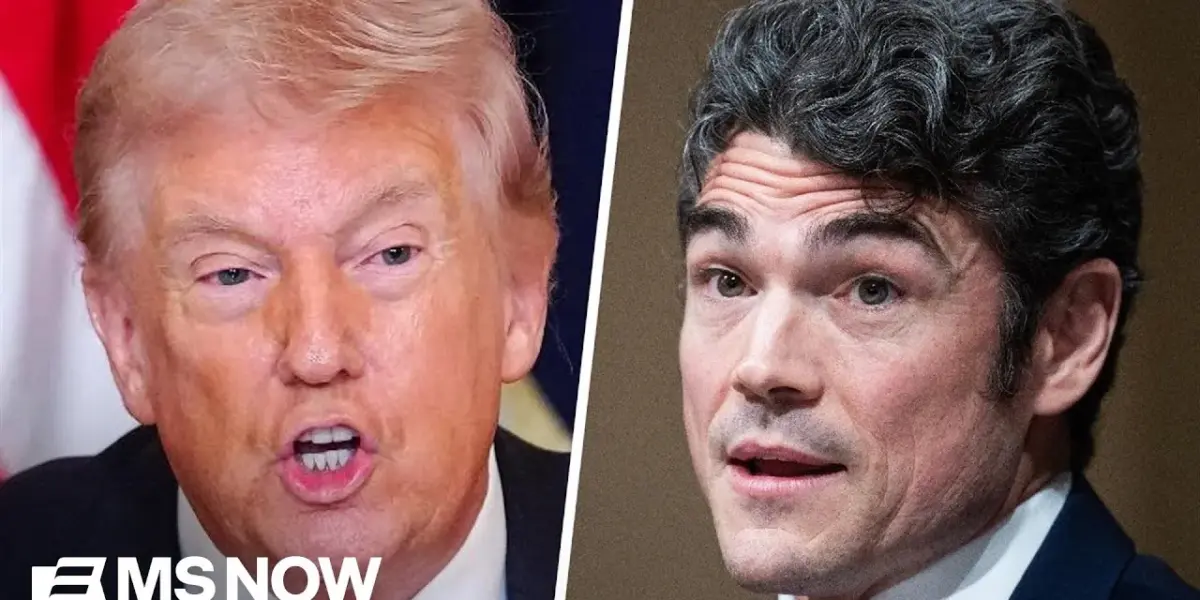
Resignation Rocks National Security Leadership
Joe Kent, director of the National Counterterrorism Center, has resigned from his post, sending shockwaves through Washington and raising serious questions about the justification for recent military actions against Iran. Kent’s resignation, framed by his assertion that Iran posed “no imminent threat” to the United States, directly challenges the core argument used by the Trump administration to explain its military operations. This move highlights a significant rift within the Republican Party, pitting the MAGA movement, which favors non-interventionism, against neoconservative elements supporting military engagement.
A Blow to Intelligence Coordination
The resignation of Kent, a veteran whose wife died in service to the country, is seen as a major blow to the U.S. intelligence community. Michael Feinberg, a former senior FBI counterintelligence agent, explained the critical nature of the National Counterterrorism Center’s role. “After 9-11, one of the big problems within the intelligence community that allowed the attackers to sort of slip between the cracks of our defenses was a real lack of coordination among the constituent agencies,” Feinberg stated. The center was created to prevent such failures. While Feinberg expressed confidence that a 9-11-scale attack is unlikely, he acknowledged that having no director at the helm of an organization meant to manage inter-agency communication creates a significant liability for national security.
MAGA Base Questions War Justification
Josh Letterman, a fellow at Princeton University’s Center for International Security Studies, noted that Kent was a strong supporter of the MAGA movement and President Trump’s values. Kent’s resignation letter reportedly stated that he supported Trump’s foreign policy until recent strikes against Iran. He urged the president to “reverse course and chart a new path for our nation or you can allow us to slip further toward decline and chaos.” Letterman believes Kent’s message resonates with the MAGA base, tapping into concerns about another prolonged conflict like the Iraq War and the perception that Israel might be drawing the U.S. into a war. “The notion that Israel has pulled the U.S. into this war,” Letterman explained, “is something we’ve heard the MAGA base talk about a lot.”
Legal Questions Surface Over “Imminent Threat”
The debate over the definition of an “imminent threat” has taken center stage. Under international law, preventive wars based on the idea that a nation might pose a threat in the future are not permitted. Preemptive strikes are allowed, but only in self-defense against an immediate danger. Kent’s position as the top counter-terrorism official, directly stating that Iran posed no imminent threat, raises significant legal questions about the administration’s justification for war. Suzanne Maloney, vice president and director of foreign policy at the Brookings Institution, called Kent’s statement a “striking revelation.” She added, “This question of imminence is very vague when we hear Speaker Johnson and officials from the Trump administration try to define exactly what how imminent this threat was.” Maloney suggested that Kent’s insistence confirms the doubts of many observers and will likely increase hesitation and opposition from international partners.
Allies Skeptical Amid Diplomatic Progress
The timing of Kent’s resignation is particularly noteworthy, as reports suggest diplomatic efforts were underway before the U.S. initiated strikes. David Rode, senior national security reporter for MSNOW, cited a report that Britain’s national security advisor attended talks between the U.S. and Iran just before the war began. These talks were reportedly making progress and were scheduled to continue the following Monday. However, the U.S. launched airstrikes the preceding Saturday night. This sequence of events, coupled with Kent’s claims, undermines the administration’s case to the American public and its allies. Maloney believes this will create further hesitancy among allies, especially given Iran’s threats to the Strait of Hormuz, a vital shipping lane.
Israel’s Role and Intelligence Interpretation
The narrative surrounding the conflict has also been complicated by the alleged influence of Israel. Secretary of State Marco Rubio previously stated that the U.S. attacked Iran because it anticipated an Israeli attack and subsequent Iranian retaliation against the U.S. Kent’s accusation that the administration went to war due to Israeli pressure adds another layer of complexity. Feinberg expressed concern about how the president interprets U.S. intelligence. He noted that while there have been reports of Israel and Prime Minister Netanyahu heavily lobbying for war, Kent also has associations with figures who frequently make such allegations. “Until we are better briefed on exactly what the communication was between Israel and the Trump administration leading up to this action in Iran, it is very difficult to know how much weight to give what Joe Kent says,” Feinberg commented.
Escalation and Vietnam Comparisons
Meanwhile, the conflict continues to escalate in the region. Israel claims to have killed two high-ranking Iranian military leaders, Ali Larajani and another official who took over security coordination after the supreme leader’s death. This action is expected to spur further retaliation from Iran. Josh Einiger, reporting from Dubai, noted that Iran has been responding to attacks with an “eye for an eye” approach, with the United Arab Emirates being a primary target. In the last 24 hours, the UAE reported numerous ballistic missiles and armed drones targeting its airspace, including a significant strike on Dubai International Airport’s fuel facility. These attacks caused major disruptions. Josh Letterman also highlighted concerns from Iran’s deputy foreign minister, who warned of a “Vietnam-style quagmire.” Letterman acknowledged that while U.S. troops are not yet on the ground, a key concern is the lack of a clear, face-saving way for the president to end the war without securing stockpiles of highly enriched uranium. Such an action, he warned, might require a U.S. presence on the ground, potentially leading to a prolonged and difficult conflict.
Looking Ahead
The coming days will likely see increased scrutiny of the administration’s justifications for the conflict and its handling of intelligence. Questions surrounding Joe Kent’s resignation, the role of international pressure, and the potential for a prolonged engagement will continue to dominate discussions in Washington and among allies. The ongoing military actions and retaliatory strikes in the region also demand close attention as the situation remains volatile.
Source: 'Striking revelation': Reaction to Joe Kent saying Iran posed 'no imminent threat' to U.S. (YouTube)

Related Articles

FBI Director’s Hacked Emails Expose Personal Life, Security Failures
FBI Director Cash Patel's personal email account was reportedly hacked by Iranian-linked hackers, exposing sensitive personal information and raising serious questions about his security practices and competence. The breach includes details about his private life, finances, and alleged visits to adult websites.

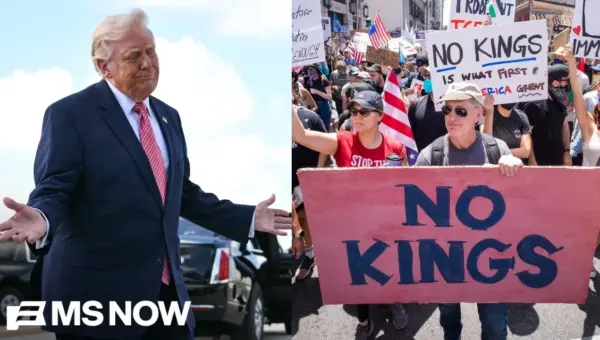
Chicago Teachers Detail Trump Crackdown’s Toll on Kids
Chicago first-grade teacher Maria Hevener shared harrowing accounts of how President Trump's immigration crackdown is fueling anxiety and trauma in her young students. Incidents like federal agents deploying tear gas near an elementary school have left children fearful, impacting their mental health and ability to learn. Hevener is advocating for safer, better-funded schools, emphasizing that students need security and basic needs met to succeed.
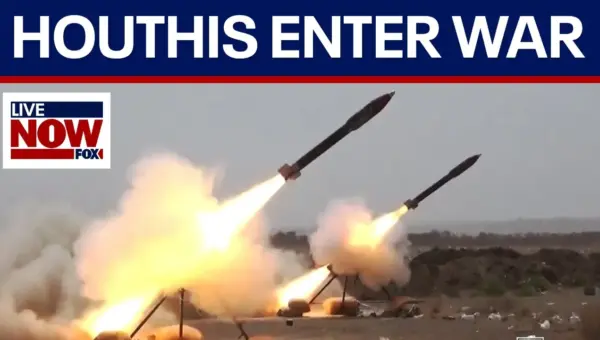
Iran-Backed Houthis Strike Israel, Escalating Regional Tensions
Iran-backed Houthi rebels have launched a missile attack targeting Israel, marking their first such strike since the current Middle East conflict began. The Israeli military confirmed the interception of the projectile. Analysts view this action as part of Iran's broader regional strategy, highlighting the regime's reliance on proxy forces amid internal weaknesses.