Russia Hints at Nuclear Use, Ukraine Disrupts Offensive
Russia's Foreign Minister Sergey Lavrov has warned of increased nuclear proliferation risks, while Ukraine successfully disrupted a major Russian offensive. Kyiv faced drone attacks targeting infrastructure, and Russia continues to tighten information control by disrupting Telegram. Geopolitical tensions in the Middle East may benefit Russia economically, while Hungary uses oil politics to pressure the EU regarding aid to Ukraine.

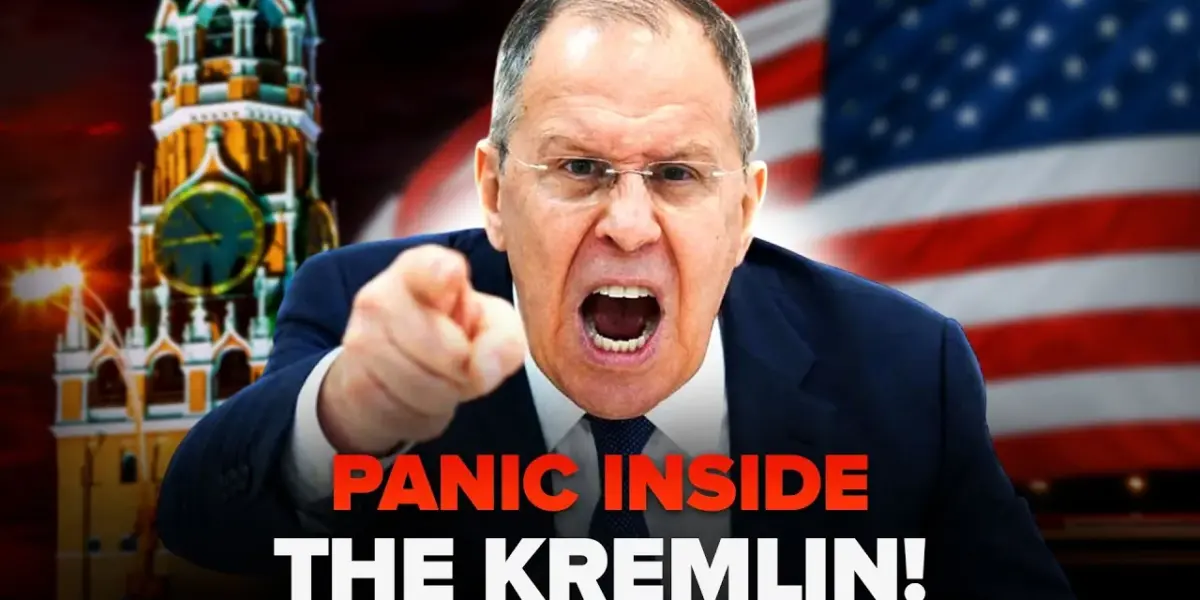
Russia Raises Nuclear Fears Amidst Ukrainian Defense Success
Russian Foreign Minister Sergey Lavrov has reignited global concerns about nuclear weapons. He stated that more nations might see nuclear arms as their only true security guarantee. This suggests a growing risk of nuclear proliferation worldwide. Lavrov believes the current international system meant to stop the spread of nuclear weapons is in serious danger. He linked these increasing risks to ongoing international conflicts and weakening arms control efforts. Lavrov also criticized existing global nuclear agreements, calling key treaties for limiting nuclear tests and proliferation fragile. These statements come as Russia continues to use nuclear rhetoric in its war against Ukraine. Moscow regularly hints at possible nuclear escalation while accusing the West of destabilizing global strategic balance.
Ukraine Thwarts Major Russian Offensive
Ukrainian forces have successfully disrupted a significant Russian offensive operation. President Volodymyr Zelenskyy revealed in a CNN interview that Russia had planned a large-scale attack. This offensive was intended to start late last year and continue through spring. However, Ukrainian forces took preemptive actions to prevent its full execution. Zelenskyy highlighted the crucial role of drones on the battlefield, noting they have significantly increased Russian losses. “Russia prepared new big offensive operation and they uh wanted to begin it at the end of last year and to continue it spring this year and they prepared this operation. We uh it was our uh counter offensive steps, parallel steps and so we wanted to do it not to give possibility Russia to attack us massively on the battlefield,” he stated.
Drone Attacks Target Ukrainian Infrastructure
An attack on Kyiv highlighted unusual tactics, with Russia launching over 30 drones of various types toward the capital region. Ukraine’s Air Force reported that these drones utilized modern communication systems, including mesh networks. These networks allow for greater control of the drones during flight. Debris from a downed drone landed in central Kyiv near Maidan Nezalezhnosti, the Independence Monument. Fortunately, no casualties were reported, and the monument remained undamaged. The attack occurred around 9:00 AM, a time when the city center is typically bustling with civilians. This indiscriminate nature of the strikes, hitting areas filled with restaurants, cafes, and schools, underscores the risks faced by the civilian population.
Ukrainian officials indicated the strike likely targeted critical infrastructure in Kyiv and the surrounding areas. Air Force spokesperson Yurii Ihnat confirmed that most drones were successfully intercepted by air defense systems. Experts are now examining the wreckage to identify any new modifications Russia might be employing. The Kremlin, meanwhile, continues to blame Ukraine for stalled peace talks. Kremlin spokesman Dmitry Peskov claimed that former US President Donald Trump is urging Ukraine to agree to a peace deal. Peskov cited Trump’s public statements as proof of his continued interest in ending the war. He asserted that Ukraine, not Russia, is the main obstacle to negotiations.
Space and Information Warfare Emerge as New Arenas
Russia’s Foreign Minister Sergey Lavrov has also warned that outer space could become a new zone of conflict. Moscow accuses the United States and its allies of militarizing space. Analysts suggest this rhetoric may be an attempt to justify a new phase of global confrontation. Following its large-scale invasion of Europe, Russia’s hints about space warfare suggest a potential expansion of conflict beyond Earth.
In parallel, Russia appears to be tightening its grip on information flow. Users across Russia have reported massive disruptions to the Telegram messaging app. Messages are failing to send, and uploads are blocked, with many users unable to open the app at all. Monitoring services recorded over 18,000 complaints in just two days, primarily from major cities. Experts believe Telegram is barely functioning from Russian IP addresses, especially on home internet networks. Reports suggest authorities are preparing for a complete shutdown, mirroring actions taken against platforms like Instagram and Facebook. This move aims to push Russians towards state-controlled digital platforms.
Geopolitical Tensions Impact Global Stability and Aid
European leaders are urging that Ukraine must not be forgotten amidst growing global crises. EU foreign policy chief Josep Borrell warned that the war in the Middle East and tensions in the Strait of Hormuz could divert attention from Russia’s invasion of Ukraine. He also criticized the easing of sanctions on Russian oil, stating it could provide Moscow with more funds to finance the war. “Of course, it’s important that um the attention on the Middle East does not take away the attention from Ukraine, that the attention does not fizzle out there. Um we see um the easening of u sanctions on oil on on Russia by US is a is a dangerous president because right now we need um them to have less money for waging the war than than more and of course you know the state of Hermus being closed is also uh to the benefit of of Russia to fund this war. So we need to do uh definitely more uh on this,” Borrell stated.
Hungary is using oil politics to pressure Brussels. Budapest has declared it will block a 90 billion euro EU loan package for Ukraine until Russian oil transit through the Druzhba pipeline is restored. Hungarian Foreign Minister Péter Szijjártó argued that resuming Russian oil flows would weaken existing sanctions against Moscow. Ahead of parliamentary elections, anti-Ukrainian rhetoric is rising in Hungary. Prime Minister Viktor Orbán accused President Zelenskyy of interfering in Hungary’s domestic politics. He framed the upcoming election as a choice between peace and war, declaring, “Hungarian sons will not die for Ukraine.”
Middle East Conflict Benefits Russia, Strains Partners
While Russia remains largely quiet about the escalating conflict around Iran, it may benefit from the chaos. Despite a strategic partnership with Tehran, Moscow has not taken concrete steps to defend Iran against strikes by the US and Israel. Analysts see this as a pattern where Russia makes strong statements but avoids direct involvement when its allies face serious trouble. The rising tensions in the Persian Gulf are already increasing global energy prices. This situation provides additional revenue for Russia’s budget and boosts demand for its oil and gas.
However, the limits of Russia’s influence and its ability to protect partners are evident. Russia possesses advanced military hardware like fighter jets, air defense systems, and precision munitions that Iran needs. Yet, these are assets Russia requires for its own war in Ukraine. Even if Moscow wished to supply these systems to Iran, it would struggle to do so quickly. Training Iranian personnel on systems like the S-400 air defense system alone takes approximately six to eight months. With its military engaged in Ukraine and a lack of willingness to confront a US-Israeli action, Moscow has offered Iran little beyond diplomatic condemnation.
China’s Economy Grows Amidst Geopolitical Risks
China’s economy has shown stronger-than-expected growth at the start of the year, possibly benefiting from the Middle East conflict. Industrial output rose over 6%, and exports surged by more than 20%, with foreign trade driving this growth. China has increased exports and focused on high-end manufacturing, achieving a record trade surplus last year. However, economists caution that this situation could change rapidly due to rising geopolitical risks. Exports in January and February saw a significant jump, partly due to higher shipments to Southeast Asia and Europe.
Moldova Faces Environmental Threat from Russian Strike
Moldova has declared an environmental alert after detecting pollution in the Nistru River. President Maia Sandu stated that oil entered the river following a Russian strike on the Novodnestrovsk hydroelectric plant in Ukraine. This contamination poses a threat to Moldova’s water supply. Sandu confirmed that authorities are taking measures to protect the population and stressed that Russia bears full responsibility for the environmental hazard. Experts warn that the pollution could impact drinking water, fishing, and the overall ecosystem along the Nistru River in both Ukraine and Moldova.
Source: ⚡️Lavrov issues urgent statements! Kremlin said it publicly. Zelensky humiliates Putin (YouTube)

Related Articles
Ukraine Strikes Russian Oil Refinery, Eyes Iran Threat
Ukrainian forces struck a key Russian oil refinery, disrupting Moscow's war capabilities. Meanwhile, Finland's president urged continued U.S. support for Ukraine, as Kyiv shares its air defense expertise globally amid growing geopolitical complexities involving Iran and potential sanctions against Hungary.

Iran’s Missile Threat Reduced by 90%, Analyst Says
An analyst reports that Operation Epic Fury has degraded Iran's missile launchers by 90%, despite challenges in targeting hidden sites. The conflict's duration and media coverage are also discussed, with implications for global energy markets and investor confidence.
US Official Claims Iran War Could End Soon; Expert Skeptical
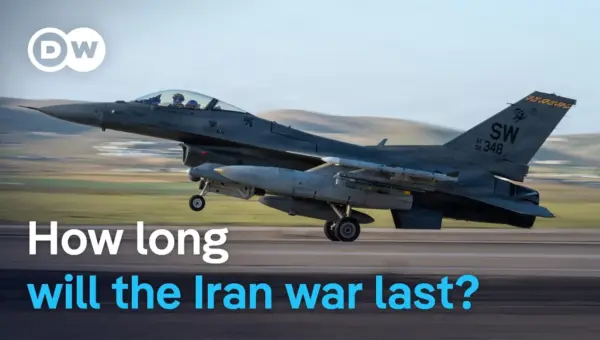
Despite US envoy Steve Woff's optimism about imminent talks and a swift end to the conflict with Iran, expert Aaron David Miller expresses significant doubt. Miller argues that a lack of shared urgency and fundamental miscalculations by the US administration make a quick resolution unlikely.