Powell’s Fed Chair Term Extension Eyed Amidst Legislative Gridlock
Congressional legislative priorities, including digital asset regulation and defense spending, are creating delays in key appointments, potentially extending Federal Reserve Chair Jerome Powell's term. The confirmation of Kevin Warsh as a Fed nominee remains stalled amidst ongoing investigations, raising questions about leadership continuity at the central bank. Investors are watching closely as regulatory uncertainty and political gridlock impact market stability.

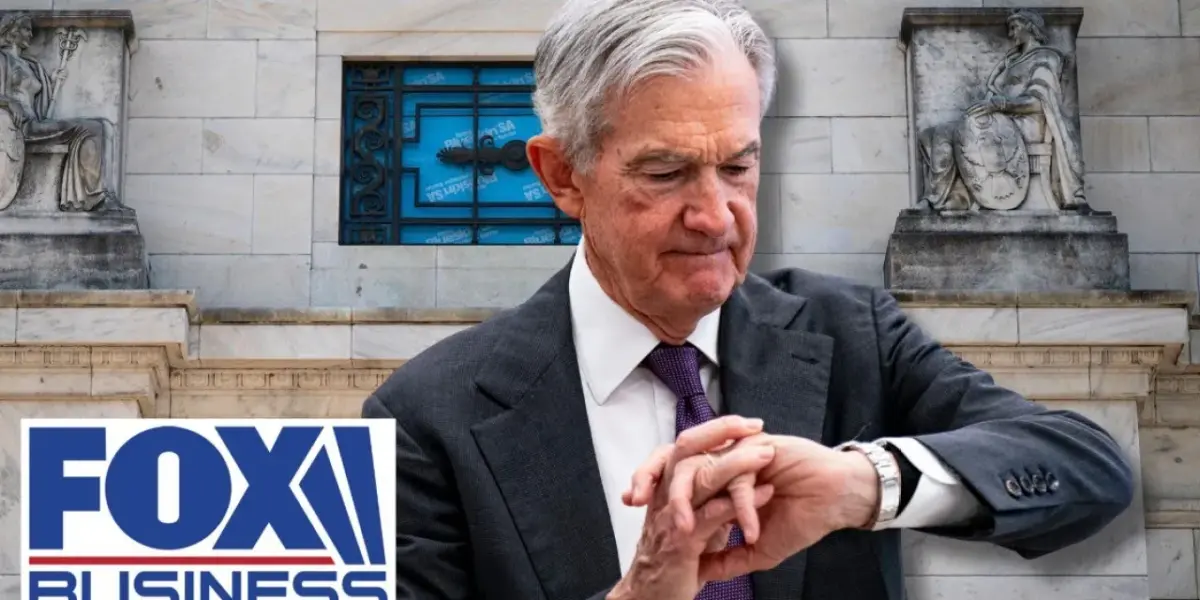
Powell’s Fed Chair Term Extension Eyed Amidst Legislative Gridlock
The U.S. Senate is facing a critical juncture with multiple legislative priorities colliding, creating uncertainty around key appointments, including the future leadership of the Federal Reserve. Discussions surrounding the Clarity Act for digital assets, the SAVE Act, and defense spending are dominating committee agendas. Meanwhile, speculation is mounting that Federal Reserve Chair Jerome Powell could potentially serve beyond his current term if a successor isn’t confirmed in time.
Digital Assets Clarity Act Faces Tight Deadline
Senator Cynthia Lummis, Chair of the Digital Assets Subcommittee, indicated that markup of the Clarity Act could happen before the Easter break or shortly after. However, she stressed that time is becoming a significant challenge. “The deeper it gets into the year, the more challenging it is going to be for us to get this across the finish line,” Lummis stated, urging colleagues to finalize the product.
The proposed legislation aims to establish clear rules for digital assets, distinguishing them from traditional securities and banking. Senator Kevin Cramer, a member of the Senate Banking Committee, echoed Lummis’s concerns. “We need U.S.-guided rails that delineate between securities, other digital assets, and traditional banking,” Cramer explained. He emphasized the need to prevent the digital asset industry from moving offshore and losing its innovative edge.
A key point of contention involves yields on digital assets and who is permitted to offer them. Some bankers feel loopholes allow companies like PayPal to offer yields, a situation some lawmakers aim to address. The urgency is amplified by the recent passage of the SAVE Act, which may consume some legislative oxygen.
Defense Spending and the SAVE Act on the Horizon
Lawmakers are also grappling with a potential $50 billion defense supplemental bill, with some suggesting the final figure could be higher. Senator Cramer indicated that $50 billion is a reasonable starting point but noted the need to raise the baseline for military modernization after a long period of reduced spending. “We are seeing how great our military is, whatever vulnerabilities, there are opportunities to modernize,” he said.
The SAVE America Act, concerning voter identification, is also a significant item on the agenda. Senator John Thune has reportedly found a pathway to bring the bill to the floor for debate. “When the American people hear the Republican side of this debate… they will be at least 80-20 for us on identification,” Thune suggested, emphasizing the importance of public debate on the issue.
However, political hurdles remain. Senator John Fetterman, initially thought to be supportive of voter identification measures, has expressed reservations about the current bill. This highlights the difficulty in finding bipartisan consensus on even seemingly straightforward issues.
Federal Reserve Leadership in Limbo
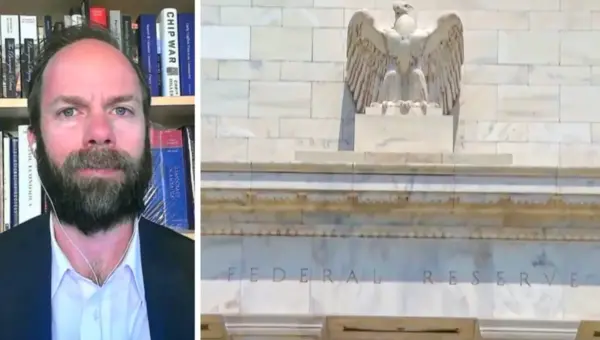
The confirmation process for Kevin Warsh, a nominee to the Federal Reserve Board, is currently stalled. Senator Thom Tillis has expressed concerns regarding an investigation into Federal Reserve Chair Jerome Powell, leading to a pause in Warsh’s confirmation hearing. This situation has fueled speculation about Powell’s tenure.
“I don’t think there should be one moment of time between the end of Jay Powell’s term and the beginning of Kevin Warsh’s term,” stated one senator, emphasizing the need for a smooth transition. The nominee, Kevin Warsh, is described as uniquely equipped for the current economic climate, with a strong resume and body of work.
The delay in confirming Warsh raises questions about the Federal Reserve’s ability to make significant policy decisions during a period of uncertainty. “It is incumbent upon us to get our job done,” one lawmaker urged, stressing the importance of resolving the deadlock to avoid potential disruptions.
Market Impact and Investor Considerations
The legislative gridlock in Congress creates an environment of uncertainty for both the digital asset and broader financial markets. Clear regulatory frameworks are crucial for fostering innovation and investor confidence in the digital asset space. Without them, businesses may hesitate to invest, and investors may face increased risks.
The potential for an extended term for Jerome Powell at the Federal Reserve could signal a desire for continuity in monetary policy. Investors often view stability at the central bank as a positive factor, especially during uncertain economic times. However, the prolonged confirmation process for Fed nominees can also be seen as a sign of political dysfunction, which can weigh on market sentiment.
For investors, the current situation underscores the importance of staying informed about legislative developments and Federal Reserve policy. While short-term market reactions can be volatile, long-term investors should focus on the underlying economic fundamentals and the potential impact of regulatory clarity on various sectors. The ongoing debates in Congress highlight the complex interplay between policy, regulation, and market stability, suggesting that vigilance and adaptability will be key for navigating the financial landscape ahead.
Source: FED SHOCK: Jerome Powell could stay beyond end of his term (YouTube)

Related Articles

Iran Conflict Sparks Market Volatility, Experts Weigh In
Geopolitical tensions in the Middle East have rattled global markets, with stocks falling and safe-haven assets like the U.S. dollar strengthening. Experts suggest the market may have overreacted, creating potential buying opportunities, but warn of a "bumpy journey" ahead due to infrastructure damage and potential oil shortages. Concerns also linger about the Federal Reserve's independence amidst political commentary.

Rate Hike Fears Spark Market Sell-Off, Geopolitics Add Fuel
Markets are reeling as a surprising shift in Federal Reserve expectations, with rate hikes now being priced in, combines with escalating Middle East tensions. This has triggered a liquidity crunch across assets, impacting everything from stocks to bonds and gold.
Shrink the Fed: AI and Smarter Data Can Boost Efficiency
Economist Paul Mueller proposes downsizing the Federal Reserve, arguing that AI and real-time data analysis can boost efficiency. He suggests cutting non-core programs and reducing staff to improve focus and cost control.