US Air Power Crushes Iran, Special Forces May Target Strait
The U.S. military's Operation Epic Fury has heavily degraded Iran's military capabilities through extensive air strikes, hitting over 7,000 targets. While air power dominates, special operations forces may be deployed to secure the Strait of Hormuz from remaining Iranian threats. European allies show mixed support for the operation.

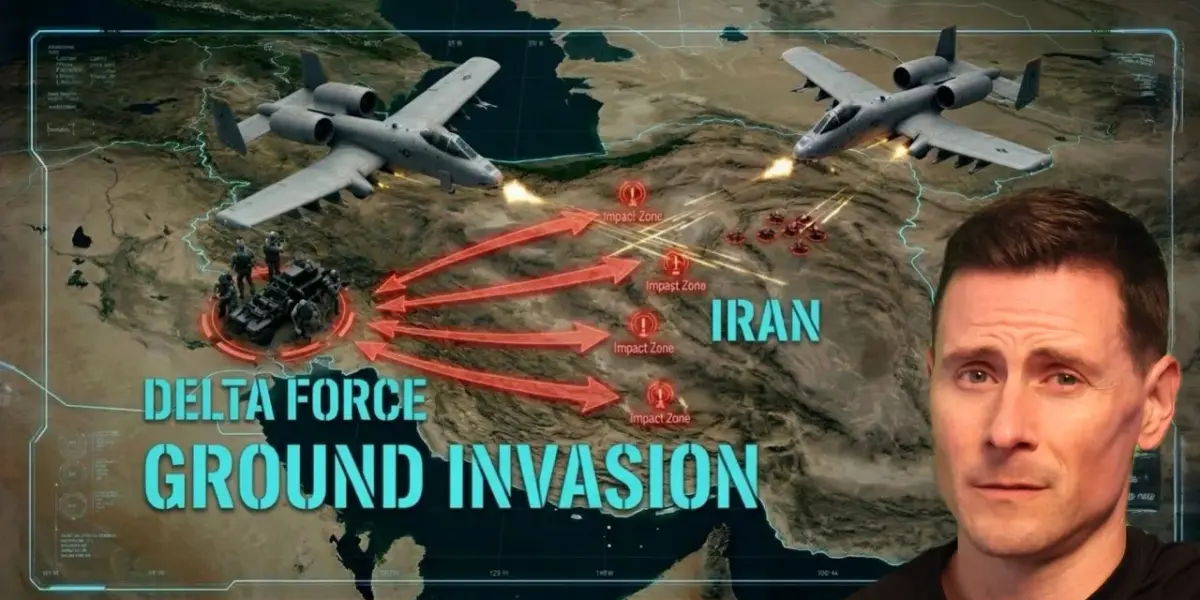
US Air Power Crushes Iran, Special Forces May Target Strait
As of March 17th, 2026, the U.S. military’s Operation Epic Fury has significantly degraded Iran’s military capabilities. Over 7,000 targets have been struck by U.S. forces. This intense air campaign has crippled Iran’s air force and reduced key infrastructure to rubble. The focus is now on keeping vital shipping lanes open, particularly the Strait of Hormuz.
Iran’s Leadership and Military Infrastructure Hit
Recent Israeli strikes reportedly targeted the vicinity of Ali Larijani, Iran’s de facto leader, and the Quds Force commander has also been reported killed. This decapitation strike aims to disrupt Iran’s command structure. U.S. Central Command (Centcom) reports that Iran’s claims of destroying U.S. aircraft are false. Instead, U.S. Navy, Air Force, and Marine Corps fighters have demonstrated superior effectiveness.
The campaign has targeted a wide array of Iranian assets. These include command and control centers, IRGC headquarters, intelligence sites, air defense systems, and ballistic missile facilities. Iranian naval vessels, submarines, and manufacturing sites for drones and missiles have also been struck. The goal is to eliminate Iran’s ability to project power and threaten regional stability.
Strategic Implications: The Strait of Hormuz
The Strait of Hormuz remains a critical chokepoint for global oil shipments. Iran has used its missile and drone capabilities to threaten maritime traffic, particularly in the Persian Gulf. While air power has been dominant, the U.S. is considering the use of special operations forces to neutralize remaining threats along the coast. Admiral Cooper of Centcom stated that air, land, and maritime capabilities are being employed to dismantle Iran’s defense industrial base.
The potential deployment of special operations forces, such as Delta Force, Navy SEALs, and Marine Recon, is being discussed. These highly trained units could conduct surgical strikes against command nodes that facilitate Iran’s control over weapons like underwater drones and conventional missiles. Their objective would be to disable Iran’s ability to disrupt shipping and project power, thereby securing the Strait of Hormuz.
Air Power and Special Operations Synergy
Aircraft like the A-10 Thunderbolt II, F-15, and F-35 are providing crucial air cover for these operations. The A-10, in particular, is designed for close air support and can effectively engage ground targets, including fortified positions. This combination of air dominance and targeted special operations aims to minimize the need for a large-scale ground invasion. The strategy emphasizes surgical precision strikes to preserve lives and achieve strategic objectives.
Centcom has also highlighted the destruction of Iranian drone and missile facilities. One example shown was a naval drone storage facility near the Strait of Hormuz, destroyed within eight days. Similarly, an attack drone production factory in Tehran and a major IRGC missile command infrastructure depot were also hit. These strikes aim to dismantle Iran’s ability to threaten the region and its neighbors.
International Support and European Hesitation
While the U.S. is leading the operation, there are indications of hesitation from some European allies. Reports suggest that France and the UK have pushed back against certain U.S. demands, though the UK has offered mine-hunting drones. The U.S. Navy’s significant presence, including multiple aircraft carrier strike groups, underscores its commitment to maintaining freedom of navigation in the region. However, the lack of broader allied participation highlights differing strategic priorities.
Future Operations and Strategic Goals
The current strategy prioritizes degrading Iran’s military capabilities through air power and targeted strikes. The potential use of special operations forces represents a calculated escalation, focusing on dismantling the remaining command and control structures that threaten the Strait of Hormuz. The objective is to achieve control of the Strait through precise, limited operations rather than a protracted ground war, learning from the experiences of past conflicts in Iraq and Afghanistan.
The overarching goal is to ensure the uninterrupted flow of commerce through the Strait of Hormuz. By neutralizing Iran’s ability to threaten shipping, the U.S. aims to impose concessions on the Iranian regime. The emphasis is on a smart path to control, leveraging advanced military capabilities to achieve strategic objectives with minimal risk.
Source: U.S. Military Ground INVASION of Iran Has Already Begun (YouTube)

Related Articles

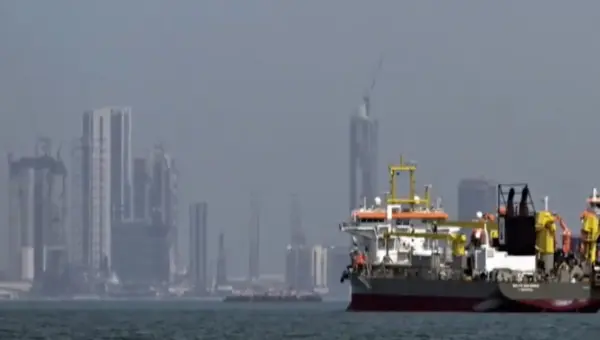
Iran Blocks China Ships, Exposing Beijing’s Weak Grip
Iran's recent decision to block Chinese ships at the Strait of Hormuz is exposing the limits of Beijing's influence in the Middle East. This action is causing delays and cancellations for Chinese manufacturers, turning a perceived geopolitical win into an economic strain.
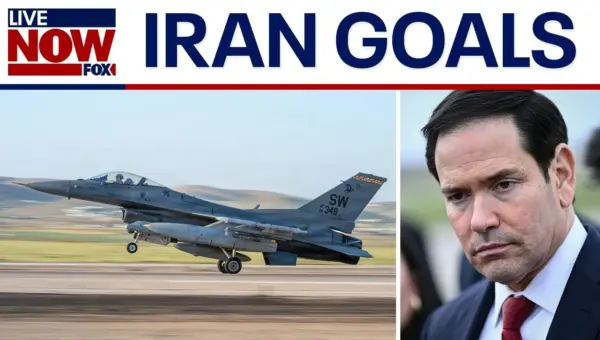
Rubio: US Can Achieve Iran War Goals Without Troops
Senator Marco Rubio outlined a strategy to counter Iran without deploying U.S. ground troops, focusing on weakening the regime and enhancing maritime security. He also criticized Cuba's economic system and expressed concerns about West Bank violence.


Israel Escalates Iran Strikes, Warns of Wider War
Israel has launched significant strikes inside Iran following continued missile fire, warning of further escalation. The conflict risks wider regional instability and economic disruption, especially concerning the Strait of Hormuz.