Trump Seeks Allies Amid Economic Fears, Criticizes UK
President Trump has publicly criticized the UK for not sending warships to the Middle East, signaling a need for allies amidst growing economic pressures at home. His administration is seeking shared responsibility in international conflicts, while his MAGA base shows divided support for foreign interventions. The article also highlights Trump's unconventional media relations, including his tendency to answer unknown calls.

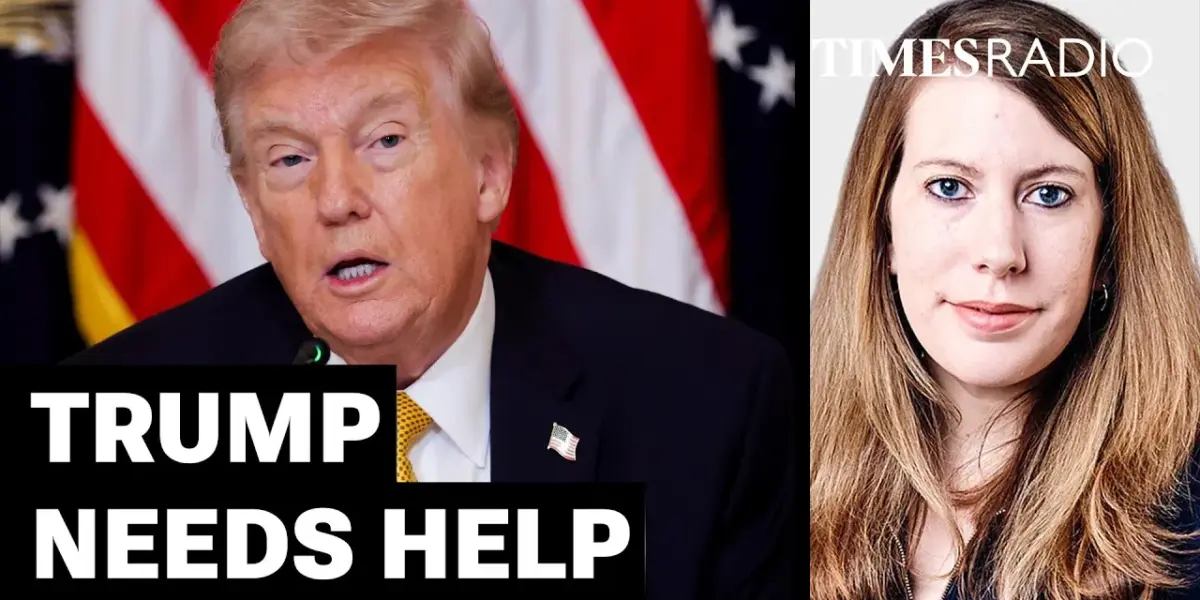
Trump Criticizes UK Over Warships, Seeks Allies
President Trump recently lashed out at the United Kingdom, calling its refusal to send warships to the Middle East to help defend against Iranian attacks “terrible.” This strong criticism comes as economic pressures build at home, suggesting a potential shift in Trump’s foreign policy approach.
Trump expressed frustration with Prime Minister Boris Johnson, who he felt was not making decisions quickly enough. “You don’t have to worry about a team. You don’t have a team. You’re the prime minister. You can make a decision,” Trump told Johnson, according to reports. This suggests Trump believes allies should act decisively, especially in crucial moments.
Why the UK’s Help is Important to Trump
Despite the U.S. Navy’s larger size and presence in the Gulf, Trump appears to be seeking international support. This need for allies is partly driven by concerns over rising oil prices and their potential impact on his approval ratings. The conflict in the Strait of Hormuz, a vital shipping lane, is creating economic challenges that the President seems keen to address with international backing.
The U.S. military has approved sending 5,000 Marines and sailors to the region, but this deployment takes about two weeks. This timeframe highlights a potential urgency and the U.S. administration’s feeling that they might not have all the necessary resources immediately available. Trump is pushing for shared responsibility, drawing parallels to U.S. involvement in Ukraine and expecting similar support from NATO allies in other global situations.
MAGA Base Divided on Foreign Interventions
The “Make America Great Again” (MAGA) base has shown mixed reactions to Trump’s foreign policy actions, particularly regarding military interventions. Even before the recent strikes on Iran, some figures within the MAGA movement expressed doubts about the strategy, questioning the focus on regime change and involvement in conflicts like the one in Iran.
This division within his core supporters presents a challenge for Trump. While the base generally wants conflicts to end quickly, the potential for prolonged engagements or the need for “boots on the ground” could further alienate some supporters. Figures like JD Vance have privately opposed certain actions, though publicly stating support for the President, indicating an underlying isolationist sentiment within a segment of the base.
Trump’s “Most Trumpian Moment” and Media Relations
In a segment highlighting unusual events, Trump’s suggestion that journalists who commit treason should face the death penalty was cited as this week’s “most Trumpian moment.” This remark was linked to a story that Trump claimed was planted by Iranians, which he felt gave a false impression of Americans coming under attack. He argued that such actions fall under treason and should be punishable by death.
The article also touched upon Trump’s unique approach to media interviews. Unlike traditional methods, Trump has been known to answer calls from unknown numbers, sometimes granting brief interviews to journalists who manage to reach him directly. This practice, detailed in his book “The Art of the Deal,” suggests a president who views such direct contact as a sign of his influence and is willing to engage in unconventional ways to communicate with the press.
Cold Calling the President vs. Prime Minister
Journalists in Washington have adopted the habit of cold-calling President Trump, who is known to pick up calls from unrecognized numbers. This method can yield short interviews, often lasting from 30 seconds to a few minutes, depending on the journalist’s charm and the President’s availability. Former White House staff suggest that early mornings and late nights are the best times to try this approach.
This contrasts sharply with how interviews are typically secured with the British Prime Minister. In the UK, building relationships and having established contacts are crucial for gaining access. While former Prime Ministers like Boris Johnson might have taken calls from old colleagues, the process is generally more structured and less reliant on chance than the direct, often unpredictable, method used with President Trump.
Looking Ahead
As economic pressures mount and international tensions remain high, President Trump’s search for allies and his approach to foreign policy will continue to be closely watched. The reaction of his base to ongoing conflicts and his unconventional communication style with the press will also be key factors to observe in the coming months.
Source: Trump Hunts For Allies As Economic Pressures Build At Home | Katy Balls (YouTube)

Related Articles
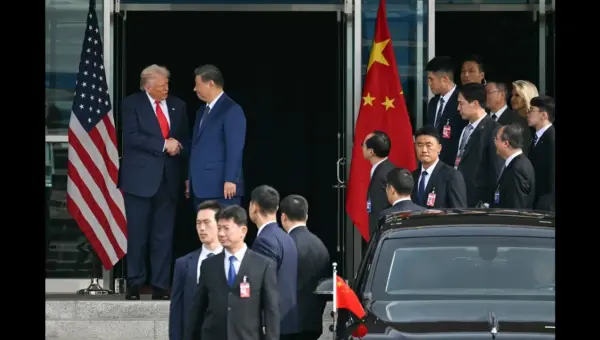
Trump’s “Walk Away” Tactic Signals Tougher Stance on China
Retired Air Force Brigadier General David Stillwell believes President Trump's strategy of being willing to walk away from negotiations puts pressure on China. This tactic, combined with US global actions and strengthened alliances, signals a more assertive American foreign policy.


Israelis Forge Resilience Amidst Constant Bomb Shelter Drills
Life in Israel is a blend of resilience and constant vigilance, with many families adapting to frequent bomb shelter drills and even sleeping in makeshift shelters. Despite ongoing missile attacks, Israelis strive to maintain normalcy, though businesses face disruption and emotional fatigue is a growing concern.
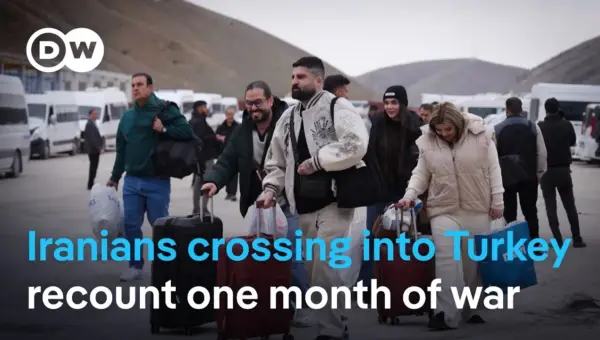
Iran War Exodus: Refugees Flee to Turkey Amidst Bombings
A train from Tehran brings refugees to Turkey, fleeing daily bombings and economic collapse. Many express deep fear for loved ones left behind, while some hold onto national pride and hope for victory. The conflict's impact is also felt economically in Turkey, with rising gas prices.