Iran War Reporting: How Authorities Control the Narrative
Iran is heavily controlling war reporting, limiting foreign media to fixed positions and preventing street-level access. This mirrors past conflicts where authorities managed information flow, contrasting with the extensive coverage of the first Gulf War.

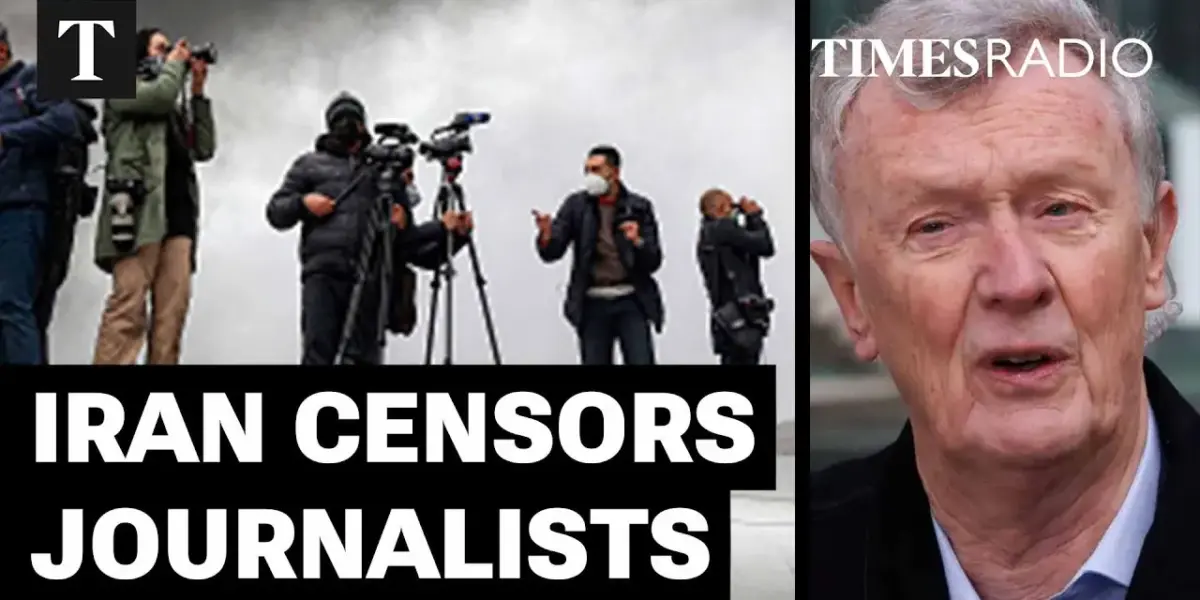
Iran Restricts War Reporting, Echoing Past Controls
As conflict unfolds in Iran, foreign media faces significant restrictions, limiting the footage and firsthand accounts reaching global audiences. Unlike the extensive, on-the-ground reporting seen in past conflicts, journalists are largely confined to controlled locations, raising questions about how the public understands war. This situation mirrors historical patterns where authorities manage information flow during times of crisis.
The First Gulf War: A Turning Point in Media Coverage
Thirty-five years ago, the first Gulf War revolutionized how conflicts were covered. Twenty-four-hour television news brought images from Baghdad directly to homes worldwide, creating an immersive experience for viewers. This era saw unprecedented access, with networks like CNN and Sky News providing live updates.
“The skies over Baghdad have been illuminated. We’re seeing bright flashes. The ground war in the Gulf has started.”
During the first Gulf War, media outlets struck deals with military officials. This allowed reporters to embed with troops, offering a close-up view of combat. However, this access came with a price: editorial control by the military. Some journalists, like the late Terry Lloyd, paid the ultimate price while trying to operate independently.
Today’s Conflict: Limited Access and Controlled Narratives
In contrast, current reporting from Iran is highly limited. Al Jazeera and CNN correspondents are visible, often reporting from fixed positions like rooftops. However, they appear unable to venture into street-level reporting, where the real impact of the conflict would be most apparent. This suggests that Iranian authorities are actively preventing journalists from accessing sensitive areas.
Stewart Purvis, former editor-in-chief of ITN and a veteran of war reporting, explained the difference. “What I don’t see him is leave his kind of rooftop position to go down at street level to tell you what’s going down there down there because that’s where it gets in that’s where the issue of control by the Iranian authorities becomes a problem to them,” Purvis stated.
The ‘Embedded’ Reporter Model: Benefits and Drawbacks
The practice of embedding journalists with military units, pioneered in the first Gulf War, offered a unique perspective. It allowed reporters to travel with combat troops, providing real-time updates from the front lines. However, critics argue this model can lead to a one-sided view. Embedded reporters may be less likely to question or critically report on the actions of the troops they are with.
Purvis recalled a post-war military meeting where officials expressed a desire to “control information in the battle space.” This highlights the inherent tension between military objectives and journalistic independence. The military’s goal is often to manage the narrative, while journalists aim to report the unfiltered truth.
Shifting Hubs and Technological Advancements
Historically, Israel served as a primary hub for international news crews in the Middle East due to its infrastructure and access. However, this has changed significantly as Arab nations have developed their own capabilities. Technology has advanced, allowing for live transmissions from various locations, but this does not guarantee unrestricted access.
The Impact of Internet Blackouts and Social Media
Compounding the restrictions is an internet blackout in Iran. This prevents the flow of social media footage, which has become a significant source of information in recent conflicts, such as the war in Gaza. While social media can offer diverse perspectives, it also presents challenges in verifying information.
Purvis noted the fragmentation of media today. “It’s a much more fragmented media. It’s a more diverse media. Are we any better informed? I suspect we’re possibly not,” he commented. The lack of independent reporting, combined with state control and internet disruptions, creates a complex environment for understanding the realities on the ground.
What to Watch Next
As the situation evolves, the world will continue to rely on the limited information available. The effectiveness of independent journalism in overcoming state-imposed restrictions remains a critical question. Future reporting will likely depend on the willingness of authorities to grant access and the ability of journalists to find innovative ways to report the truth amidst significant challenges.
Source: How Iran Is Controlling War Reporting | Stewart Purvis (YouTube)

Related Articles


Tiger Woods Arrested for DUI After Crash
Golf legend Tiger Woods was arrested for DUI in Florida following a dramatic rollover crash. Meanwhile, a government shutdown continues as House Republicans block a Senate deal, leading to airport chaos and TSA worker pay issues. The stock market also plummeted into correction territory amid fears of a prolonged Iran conflict.
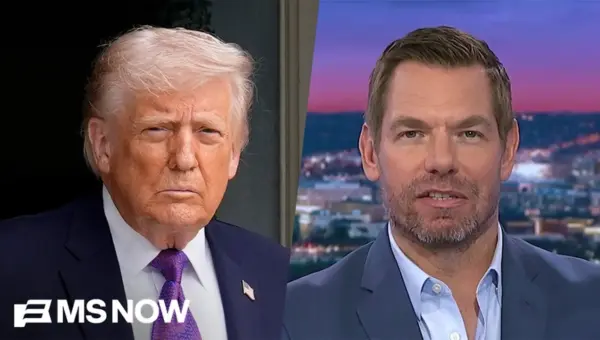
Trump’s Iran War Plans Criticized Amid Border Funding Standoff
Lawmakers and analysts are criticizing the Trump administration's handling of the Iran conflict and its approach to border funding, arguing that a lack of clear planning and a focus on political battles are making the U.S. less safe. Concerns are particularly high regarding the FBI's priorities and the potential impact of these issues on national security.
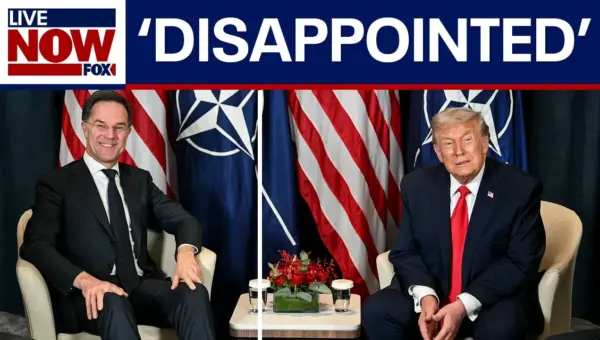
Trump Critical of NATO as Iran Conflict Escalates
President Trump voiced frustration with NATO's lack of involvement in the Iran conflict while the U.S. military prepares for a sustained campaign. Reports indicate significant damage to Iran's military, but tensions remain high with ongoing missile strikes and a recent attack on a Saudi air base wounding U.S. personnel.