Israel’s Iran War Push: A Top Official’s Damning Resignation
A top U.S. counterterrorism official resigned, stating the Iran war was launched due to Israeli pressure, not an imminent threat. This move highlights concerns about foreign influence on U.S. policy and comes as Americans face soaring gas prices. The analysis explores the potential for strategic missteps and mission creep in the ongoing conflict.


Israel’s Iran War Push: A Top Official’s Damning Resignation
A high-ranking U.S. counterterrorism official has resigned, citing his inability to support the ongoing war in Iran. Joe Kent, who served as the Director of the National Counterterrorism Center, stated in his resignation letter that Iran posed no immediate threat and that the war was started due to pressure from Israel and its powerful lobby in America. This move brings serious questions about the true reasons behind the conflict and its impact on American lives and resources.
A War Driven by Foreign Pressure?
Kent’s letter directly challenges the official narrative, suggesting the war was not a necessity for American security. He believes the conflict was initiated based on pressure from Israel, a long-standing concern for some who feel Israeli interests have too often guided U.S. foreign policy. The official’s resignation is a significant event, as it comes from a top intelligence position, lending weight to his claims. This perspective echoes sentiments expressed by others, including former Representative Tulsi Gabbard, who has also been critical of U.S. involvement in foreign conflicts.
The Cost at Home: Gas Prices Soar
The war’s impact isn’t confined to international relations; it’s hitting Americans in their wallets. Reports indicate that the national average price for gasoline has reached $3.80 per gallon, with diesel exceeding $5.30 per gallon. This surge means Americans are spending an estimated $330 million more on gasoline daily compared to a month prior. This added cost diverts money away from other essential areas like healthcare, goods, and leisure, directly affecting the quality of life for many families.
The rising cost of diesel, crucial for industries like freight, agriculture, and construction, further exacerbates the problem. As these essential sectors face higher operating expenses, those costs are inevitably passed on to consumers, making everyday goods and services more expensive. This economic pressure serves as a stark reminder of how international conflicts can have tangible, negative consequences for the average citizen.
Historical Echoes and Strategic Missteps
Kent’s letter draws a parallel between the current situation and the lead-up to the Iraq War, suggesting a similar pattern of misinformation and foreign influence. He notes that Israeli officials and certain media outlets allegedly used a campaign to push for war, deceiving leaders into believing Iran was an imminent threat. This tactic, he argues, is similar to what led the U.S. into the costly Iraq conflict.
The resignation letter also touches upon the differing objectives between former President Trump and Israeli Prime Minister Netanyahu. While Trump’s initial plan may have been to simply remove Iran’s leader, Netanyahu reportedly sought total regime change. The letter claims that Netanyahu’s actions, including the elimination of potential replacements for Iran’s leadership, escalated the situation beyond what Trump had agreed to. This suggests a complex dynamic where U.S. policy may have been manipulated to serve foreign interests.
The Dangers of Mission Creep
Analysis of the conflict suggests that the U.S. and Israel may have mishandled the transition following the death of a key Iranian figure. Instead of potentially leading to more moderate leadership, the action seems to have empowered hardliners. The successor, described as younger and more radical, is seen as driven by revenge, potentially creating a more dangerous situation than before.
Furthermore, war games and expert analysis indicate that a U.S.-Iran war could lead to severe disruptions in global oil prices. While some scenarios predicted a closure of the Strait of Hormuz, Iran’s ability to continue exporting oil while harassing shipping presents a complicated challenge. This situation creates a quagmire where the U.S. might win individual battles but struggle to achieve a decisive victory, a scenario reminiscent of prolonged conflicts in Iraq and Afghanistan.
The concept of “mission creep” is highlighted as a significant danger. This occurs when the goals of a military operation expand beyond the initial objectives, leading to prolonged engagement, increased costs, and uncertain outcomes. In the context of Iran, if regime change becomes the implicit goal, the bar for success becomes incredibly high, while Iran’s objective remains simply to survive and cause disruption. This dynamic makes it difficult to find a clear and achievable end to the conflict.
A Diverted Focus Amidst Crisis
Amidst these serious international and economic concerns, there are observations that former President Trump has been focusing on unrelated issues, such as social media posts about transgender topics and election integrity. This perceived distraction raises questions about leadership’s focus during critical times. The analysis suggests that the options for ending the current conflict are all difficult, ranging from indefinite security commitments in the region to attempts at destabilizing the regime, each carrying significant risks and costs.
Why This Matters
The resignation of a top counterterrorism official over the Iran war is a critical development. It points to deep divisions and potential manipulation within U.S. foreign policy decision-making. The assertion that a war was initiated due to pressure from a foreign ally, rather than direct U.S. national security interests, is a serious charge. This situation underscores the importance of transparency, independent analysis, and critically examining the motivations behind military engagements. The economic impact on American citizens, evident in rising gas prices, further emphasizes the real-world consequences of these geopolitical decisions. Understanding these dynamics is crucial for informed public discourse and for ensuring that U.S. foreign policy truly serves the interests of the American people.
Looking Ahead
The situation in Iran and the surrounding geopolitical landscape remain volatile. The insights from Joe Kent’s resignation and the ongoing analysis of the conflict suggest a period of significant uncertainty. The potential for prolonged conflict, continued economic strain, and the challenge of defining and achieving clear objectives in the Middle East will likely dominate discussions. The effectiveness of U.S. leadership in navigating these complex issues, while remaining focused on genuine national interests, will be paramount.
Source: They just admitted Israel did THIS… (YouTube)

Related Articles

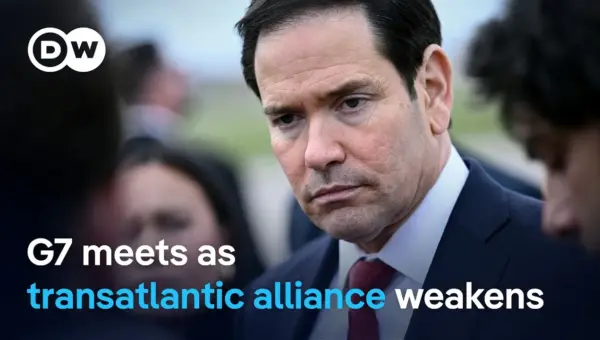
G7 Allies Clash Over Iran War Strategy, Urge Focus on Russia
G7 foreign ministers met in Paris, revealing deep divisions over the U.S. war with Iran. European allies urged the U.S. to pressure Russia, linking its actions to the conflict and fearing support for Ukraine will wane.

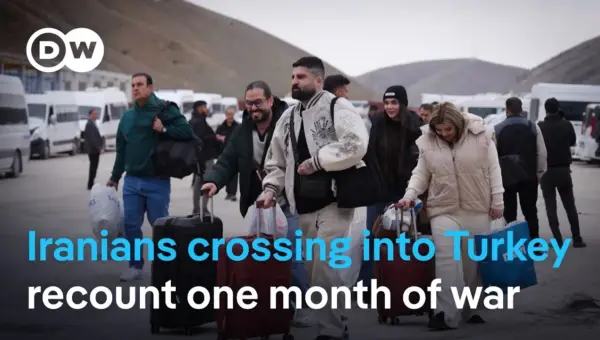
Iran War Exodus: Refugees Flee to Turkey Amidst Bombings
A train from Tehran brings refugees to Turkey, fleeing daily bombings and economic collapse. Many express deep fear for loved ones left behind, while some hold onto national pride and hope for victory. The conflict's impact is also felt economically in Turkey, with rising gas prices.


Rubio Puts US First at G7 Summit, Sparks Debate
Secretary of State Marco Rubio attended the G7 summit in France, emphasizing his commitment to serving the American people above all else. The meeting addressed the war in Iran and Russia's role, revealing differing approaches among allies on regional security and the Strait of Hormuz.