Trump’s Own Words Expose Conflicting Views on Foreign Aid
Donald Trump's recent speech contained conflicting statements about foreign aid. He questioned the reliability of allies while also discussing potential needs for foreign assistance. This highlights ongoing debates about America's role in global partnerships.

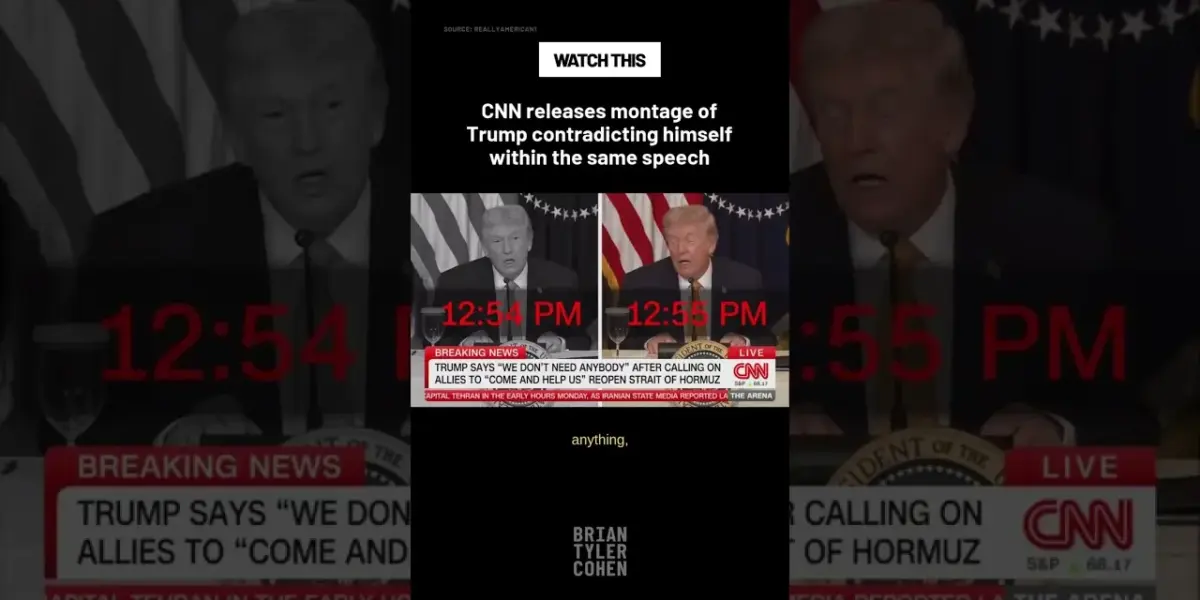
Trump’s Contradictions on Foreign Aid Surface
CNN recently put together a video. It showed Donald Trump saying very different things. He spoke within the same speech. One moment he said America doesn’t need foreign help. The next, he talked about needing help from other countries. This highlights a confusing message about alliances.
America’s Need for Allies
Trump’s speech touched on a key idea. He suggested that if America ever needed help, allies might not be there. He has felt this way for a long time. He sees some countries as very eager to help. But he also implies they only help when it’s not a real need. He mentioned needing things like mindboats or other equipment. He believes countries with such resources should rush to assist America.
He then shifted his tone. Trump stated, “My attitude is we don’t need anybody.” He praised America’s strength. He called it the strongest nation. He also said its military is by far the strongest globally. This suggests a belief in American self-sufficiency. He concluded this thought by repeating, “We don’t need them.” This creates a clear conflict in his statements.
Historical Context of Alliances
The idea of alliances has a long history. Countries have worked together for protection and trade. After World War II, many alliances formed. NATO is a major example. It’s a security pact. Member countries agree to defend each other. This system has shaped global politics for decades. It’s built on mutual support.
American foreign policy has often relied on these partnerships. Presidents have stressed the importance of working with allies. They see it as vital for national security. It also helps spread democratic values. However, some leaders have questioned the cost of these alliances. They wonder if America gets enough in return. This debate is not new.
Analyzing Trump’s Stance
Trump’s comments reflect a more isolationist view. He seems to prioritize American strength alone. He questions the value of alliances if they aren’t always reliable. His statements suggest a transactional approach. He wants help when America needs it most. He doesn’t seem to value the ongoing cooperation alliances provide.
This creates a mixed message. On one hand, he acknowledges potential needs. He even specifies types of help. On the other hand, he asserts complete independence. This contradiction could confuse allies. It might also make them question America’s commitment. It raises questions about what America truly wants from its global partners.
Why This Matters
The reliability of alliances is crucial. Global challenges like terrorism and climate change require cooperation. If major powers like the U.S. are inconsistent, it weakens collective action. Allies need to know they can count on each other. Mixed signals can create uncertainty. This can lead to instability.
Trump’s rhetoric challenges the traditional view of alliances. It suggests a potential shift in U.S. foreign policy. Such a shift could have wide-ranging effects. It could alter global security structures. It might impact trade and diplomacy worldwide. Understanding these conflicting statements is important for grasping potential future directions.
Trends and Future Outlook
The debate over America’s role in the world continues. Some favor strong international partnerships. Others prefer a more inward-looking approach. Trump’s comments tap into a segment of public opinion. This segment feels that America’s resources are best used at home. They are wary of global commitments.
The future may see continued tension. This tension is between global engagement and national focus. How the U.S. balances these needs will shape its global standing. The effectiveness of alliances in the 21st century is being tested. Clarity and consistency in foreign policy statements will be key. This is especially true when dealing with complex international relations.
Source: CNN releases montage of Trump contradicting himself within the same speech (YouTube)

Related Articles


US Must Block China’s Tech Access for Security
US national security experts are raising alarms about China's access to advanced AI chips, arguing it threatens strategic advantages. This, coupled with charges against Chinese entities for fentanyl precursor sales and a ban on foreign routers, signals a growing effort to prioritize security over business ties.
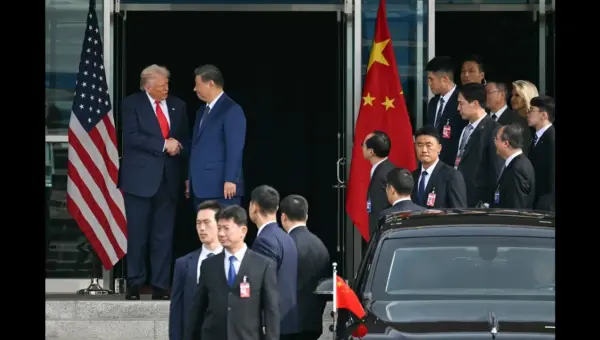
Trump’s “Walk Away” Tactic Signals Tougher Stance on China
Retired Air Force Brigadier General David Stillwell believes President Trump's strategy of being willing to walk away from negotiations puts pressure on China. This tactic, combined with US global actions and strengthened alliances, signals a more assertive American foreign policy.

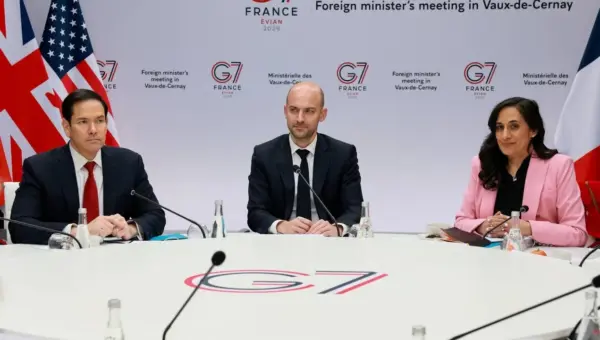
Rubio Puts US First at G7 Summit, Sparks Debate
Secretary of State Marco Rubio attended the G7 summit in France, emphasizing his commitment to serving the American people above all else. The meeting addressed the war in Iran and Russia's role, revealing differing approaches among allies on regional security and the Strait of Hormuz.