China Dominates Russia Amid Shifting Energy Markets
China's influence over Russia grows as the Ukraine war continues. Beijing benefits from cheap energy, increasing its leverage. Russia's dependence on China limits its options.

China’s Grip Tightens on Russia as Oil Prices Fluctuate
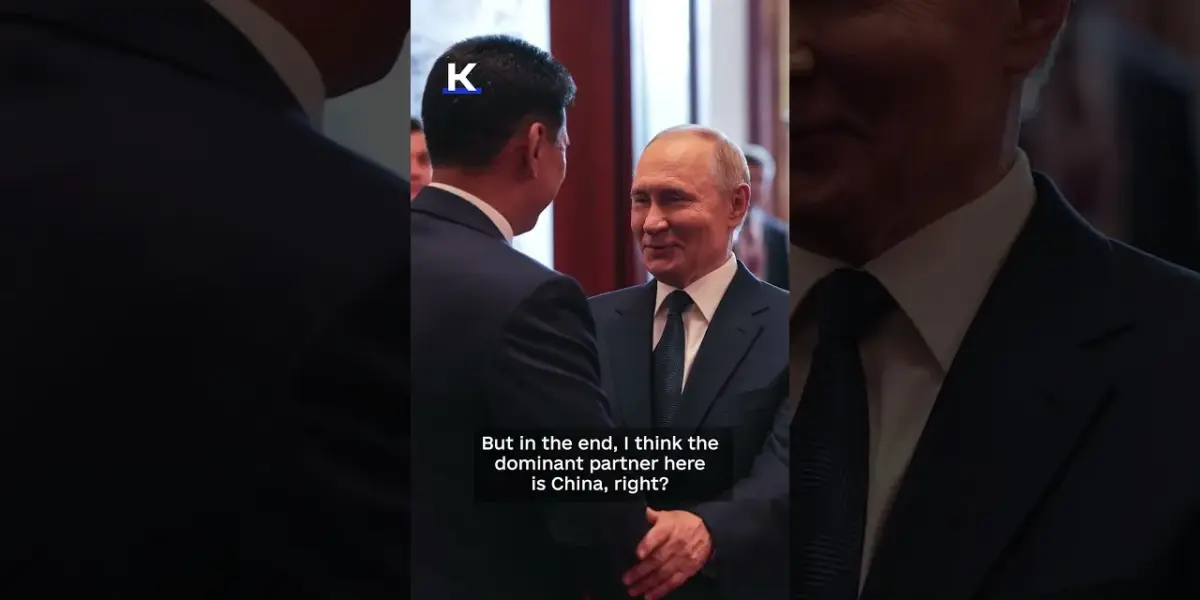
The relationship between China and Russia is increasingly one-sided. China is the dominant partner. Russia’s reliance on China has grown significantly. This is especially true since the full-scale invasion of Ukraine. High oil prices could test this dynamic. Russia would likely want higher prices for its oil. China, however, benefits from lower prices. This creates potential friction between the two nations.
Ukraine War Reshapes Russian Dependence
Before the invasion, Russian President Vladimir Putin saw himself as an equal to Chinese leaders. Tensions were present even then. A meeting during the Beijing Winter Olympics showed this. Putin felt slighted by the Chinese reception. The war in Ukraine changed everything. Russia’s military actions created significant problems. It became much more dependent on China for economic help. Russia also relies on China for military supplies. This dependence has shifted the balance of power.
Geopolitical Tensions and Chinese Concerns
Several factors create unease in Beijing. North Korean troops have reportedly aided Russia in Ukraine. China views North Korea as within its sphere of influence. Russia’s involvement there likely made Chinese leaders nervous. There has also been talk of a strategic shift. Some suggest the West might realign with Russia against China. This possibility also causes concern for China.
High oil prices might make Putin feel more confident. However, China’s overall influence is clear. China has exploited Russia’s weakened position. It has bought Russian energy at low prices. This has helped China build its strategic reserves. China reportedly stores about 1.2 billion barrels of oil. This is a massive amount. It gives China significant staying power. It means China can manage its energy needs even if global prices rise sharply.
Opportunistic Partners, Not True Allies
The partnership between Russia and China is not based on deep trust. Both nations act in their own best interests. They will take advantage of each other when possible. China has clearly benefited from Russia’s difficulties. It secured energy supplies at favorable rates. This opportunistic approach defines their current relationship.
Strategic Implications
China’s dominance over Russia has significant implications. Russia’s economy is increasingly tied to Chinese demand. This gives China considerable leverage. It can influence Russian policy through energy deals. The flow of military supplies from North Korea to Russia also raises questions. China’s unease suggests it wants to maintain control in its region. The idea of a Western-Russian alignment against China is a major concern. It highlights the complex geopolitical maneuvering underway.
What This Means on the Ground
For Russia, the dependence on China is a stark reality. It limits Moscow’s options on the world stage. For China, it means greater influence. It can secure vital resources while projecting power. The global energy market remains volatile. Fluctuations in oil prices will continue to shape these dynamics. China’s large oil reserves offer a buffer. This allows it to weather market storms better than many. The relationship is a pragmatic one. Both sides seek to gain advantage where they can.
Historical Parallels
This situation echoes past power dynamics. Historically, nations have used economic leverage. They have controlled resources to influence weaker states. The Soviet Union often used energy as a political tool. Now, China appears to be doing the same with Russia. The shift highlights how economic power translates to geopolitical influence. It is a modern example of resource diplomacy.
Geopolitical Impact
The evolving China-Russia relationship affects global stability. It alters the balance of power between major world players. It creates new challenges for Western nations. Understanding this dynamic is key to analyzing international relations. China’s strategic positioning is becoming more assertive. Russia’s options are becoming more limited. This will likely shape global events for years to come.
Source: How could oil prices shape China-Russia relations? (YouTube)

Related Articles

G7 Allies Clash Over Iran War Strategy, Urge Focus on Russia
G7 foreign ministers met in Paris, revealing deep divisions over the U.S. war with Iran. European allies urged the U.S. to pressure Russia, linking its actions to the conflict and fearing support for Ukraine will wane.


US Must Block China’s Tech Access for Security
US national security experts are raising alarms about China's access to advanced AI chips, arguing it threatens strategic advantages. This, coupled with charges against Chinese entities for fentanyl precursor sales and a ban on foreign routers, signals a growing effort to prioritize security over business ties.

Iran Blocks China Ships, Exposing Beijing’s Weak Grip
Iran's recent decision to block Chinese ships at the Strait of Hormuz is exposing the limits of Beijing's influence in the Middle East. This action is causing delays and cancellations for Chinese manufacturers, turning a perceived geopolitical win into an economic strain.