Iran’s Top Leader Killed; US Embassy Attacked
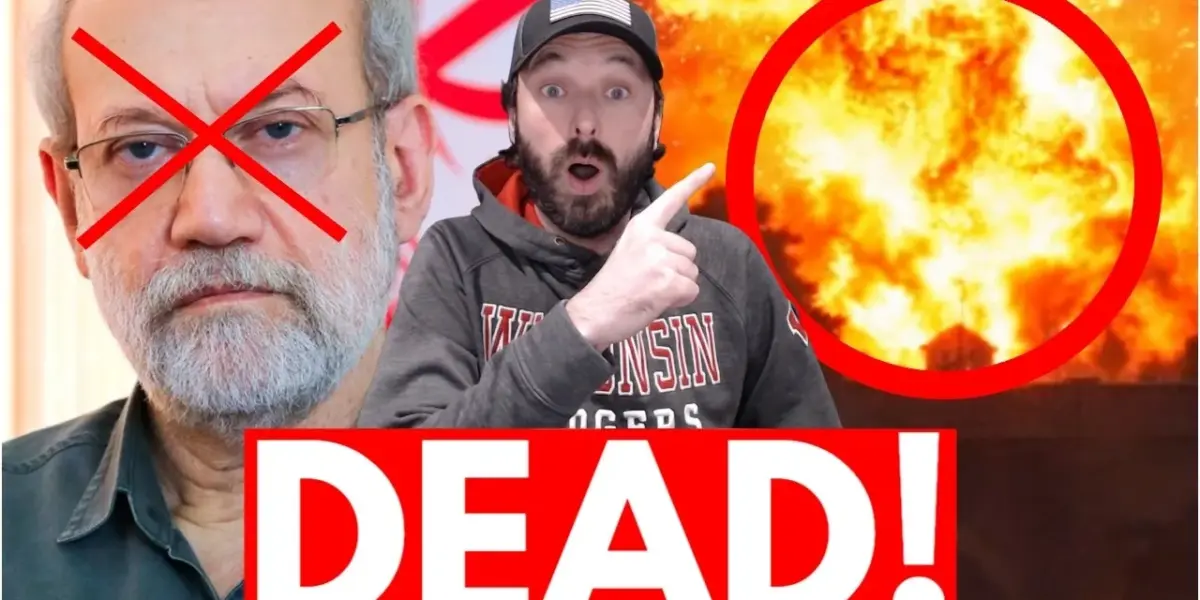
Iran's de facto leader, Ali Larajani, was killed in a major strike on March 17th. This event was followed by widespread attacks on the US embassy in Baghdad and ships near the Strait of Hormuz. The coordinated strikes highlight escalating tensions in the region.

Iran’s Top Leader Killed; US Embassy Attacked
Major news broke on March 17th. The person acting as Iran’s leader was killed. This happened alongside other high-ranking officials. Many strikes also hit targets. The news spread as the sun rose globally.
A Powerful Figure Gone
The most powerful man in Iran is now dead. He was the functional head of the government. This killing is a massive development. Many are asking if this means Iran’s government will fall. Or if it can survive this blow.
Who Was Killed?
The Israeli Defense Force confirmed the death. Ali Larajani, Secretary of Iran’s Supreme National Security Council, was killed. He was seen as a very senior figure. He was also close to Supreme Leader Ali Khamenei.
Larajani was in charge of security. He oversaw the crackdown on protests. If the Supreme Leader had been harmed, Larajani would have taken full control. He was, in effect, the man in charge. His death is a huge blow to Iran’s government.
Adding to the impact, the head of the Besij forces was also killed. These forces are responsible for internal security. They have been linked to violence against civilians. This leader, Gala Marza Solommani, led the Besij for six years.
The status of Ali Khamenei’s son, Moshaba Khamenei, is unclear. He is thought to be seriously injured.
Retaliation Strikes Erupt
Following these deaths, big attacks began. The US embassy in Baghdad was targeted. Footage showed the Iron Dome defense system in action. It shot down incoming drones.
However, some drones got through. Explosions were seen near the embassy area. The sounds of air defenses filled the sky. Chaos and anarchy were reported in Baghdad. These strikes were seen as retaliation.
The Rasheed Hotel in Baghdad was also attacked. This hotel houses EU missions. It was bombed and seen burning. The attacks were not limited to Iraq. The UAE’s industrial zone was also hit.
Naval Incidents and Border Clashes
Iran also attacked ships near the Strait of Hormuz. The UK Maritime Trade Operations Center issued a warning. This was the first attack in the region in over 72 hours. Another ship was hit. Its condition is not fully known.
A second ship was also attacked. It suffered minor damage. This was due to falling debris from intercepted Iranian missiles and drones. These events show a widening conflict.
In Lebanon, the Israeli Defense Force (IDF) engaged in clashes. Loud gunfire was heard. These clashes occurred in areas backed by Iran. Air strikes were also reported in Tyre. These happened during a major storm.
Defensive Successes and Ongoing Operations
There was footage of Israeli soldiers cheering. This was after a successful missile interception. A missile was seen coming in. An interceptor then hit it directly. This showed a successful defense.
The United States also released footage. It showed radar systems and launchers being targeted. These actions are part of ongoing operations. The US military reported on Operation Epic Fury. This operation has hit 7,000 targets. It involved 6,500 combat flights. Around 100 Iranian vessels were damaged or destroyed.
Why This Matters
The killing of Ali Larajani is a significant event. He was a key figure in Iran’s government. His death removes a powerful leader. It could destabilize the regime. The coordinated attacks on the US embassy and other targets show a strong response. This suggests Iran is willing to escalate.
The involvement of the US and Israel in these strikes highlights a coordinated effort. They are targeting Iran’s military and security apparatus. This could weaken Iran’s ability to project power.
Implications and Future Outlook
The immediate future looks tense. Retaliation strikes and counter-strikes are likely. The conflict could spread further in the Middle East. The attacks on shipping could disrupt global trade. This region is vital for oil transport. Any instability there has worldwide effects.
The long-term impact depends on Iran’s internal response. Will the regime hold together? Or will this create an opening for internal dissent? The death of a top leader might embolden those seeking change. However, the regime has a history of suppressing opposition.
The actions by the US and Israel suggest a strategy to cripple Iran’s military. They are hitting key assets. This could reduce Iran’s capacity for future aggression. The ongoing operations show a sustained campaign.
Historical Context
Iran and the US have a complex and often adversarial relationship. This dates back to the 1979 Iranian Revolution. Tensions have flared over Iran’s nuclear program and its support for regional militant groups. The Strait of Hormuz is a critical chokepoint. Both sides have threatened naval activity there in the past.
The Besij forces have been a tool of the Iranian government for decades. They are used to maintain internal control. Their leadership’s elimination is a direct strike at the regime’s power. Israel has also been a key player. It views Iran as a major threat. This has led to a long shadow war between the two nations.
The current events are part of a larger regional struggle. They involve Iran, Israel, and the United States. The actions taken now could shape the geopolitical landscape for years to come.
Source: BREAKING: Iran's Most Powerful Man KILLED – U.S. Embassy BOMBED (YouTube)

Related Articles

G7 Allies Clash Over Iran War Strategy, Urge Focus on Russia
G7 foreign ministers met in Paris, revealing deep divisions over the U.S. war with Iran. European allies urged the U.S. to pressure Russia, linking its actions to the conflict and fearing support for Ukraine will wane.

Iran Blocks China Ships, Exposing Beijing’s Weak Grip
Iran's recent decision to block Chinese ships at the Strait of Hormuz is exposing the limits of Beijing's influence in the Middle East. This action is causing delays and cancellations for Chinese manufacturers, turning a perceived geopolitical win into an economic strain.
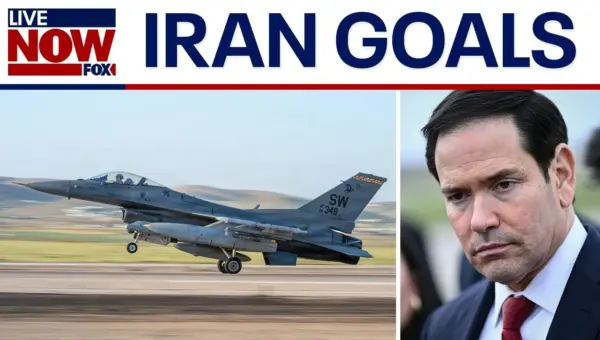
Rubio: US Can Achieve Iran War Goals Without Troops
Senator Marco Rubio outlined a strategy to counter Iran without deploying U.S. ground troops, focusing on weakening the regime and enhancing maritime security. He also criticized Cuba's economic system and expressed concerns about West Bank violence.