Iran Leadership Decimated: Israel Strike Sparks Major Geopolitical Shift
Israel's targeted strike eliminating a top Iranian national security leader is a "quite significant" development, potentially reshaping regional power dynamics. The action intensifies the conflict, impacting global energy markets and prompting a reevaluation of international relations, including China's role and potential shifts in U.S. policy towards Cuba.

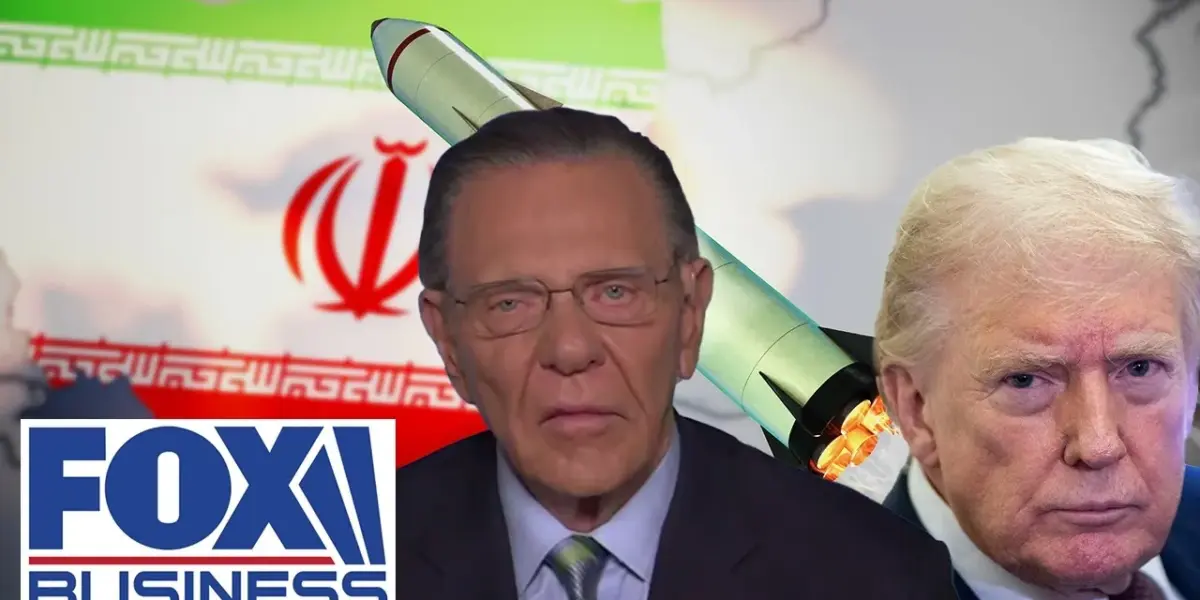
Israel Eliminates Top Iranian Security Chief, Reshaping Regional Power Dynamics
In a move described as “quite significant,” Israel has reportedly eliminated a top Iranian national security leader, a development that analysts believe could represent a major turning point in the ongoing conflict. The strike, which targeted a key figure believed to have been running the country on an interim basis, has profound implications for Iran’s internal stability and its regional posture. This action comes amidst intensified bombing campaigns and retaliatory strikes, creating a volatile geopolitical landscape.
Key Leadership Figure Eliminated
General Jack Keane, a former Vice Chief of Staff of the U.S. Army and a senior strategic analyst, highlighted the gravity of the situation. He stated that the eliminated leader had been effectively running Iran for the past 18 months, even assuming presidential powers while the Supreme Leader was alive, and was designated to take over on an interim basis after the Ayatollah’s death. Keane emphasized that this is the most significant leadership blow to Iran since the Supreme Leader’s demise on the first day of the war.
“This is quite significant. He has been running the country for the last 18 months, day in and day out. He has assumed the power of the presidency when the Supreme Leader, the Ayatollah, was alive. He designated him to run the country on an interim basis if he indeed was killed or died. Ali Larijani has been running the country for 18 months. He has been running it for sure since the Ayatollah died, despite the fact that his son has been appointed as a successor. This is the most significant leadership impact of the war since the Ayatollah was killed on day one of the war. It is a huge deal.”
Beyond the primary target, reports suggest that other leaders, including militia leaders and their cohorts, were also killed in the strike. These individuals are identified as being part of the regime responsible for suppressing the Iranian populace. The Israeli strategy, according to analysts, is not only focused on degrading Iran’s offensive weapons but also on dismantling the very organizations that sustain the regime, such as the Islamic Revolutionary Guard Corps (IRGC) and various paramilitary and law enforcement structures.
Strategic Implications and Investor Outlook
The elimination of key leadership figures and the sustained pressure on Iran’s support structures are viewed as a long-term strategy to achieve specific objectives. General Keane likened the current phase to being on the “2-yard line” in a football game, emphasizing the need for perseverance to reach the goal line and fundamentally alter Iran’s behavior. He cautioned against premature negotiations that could offer a lifeline to the regime, advocating instead for a focus on Iran’s surrender.
The ongoing conflict and its impact on critical regions like the Strait of Hormuz, a vital chokepoint for global oil trade, remain a significant concern for international markets. Fluctuations in oil prices and the broader energy sector could be influenced by the escalation or de-escalation of hostilities. Investors are closely monitoring how these geopolitical tensions translate into economic instability or opportunities.
Furthermore, the uncertainty surrounding the health and status of Iran’s Supreme Leader’s son, who has not been seen or heard from publicly, adds another layer of complexity. The absence of a clear successor or proof of life raises questions about the immediate power vacuum and who is truly at the helm of the Iranian state.
Broader Geopolitical Context: China and Cuba
The intensifying conflict in the Middle East has also prompted a reevaluation of international relations. President Trump’s decision to postpone his trip to Beijing is seen as a strategic message to China, which is accused of aiding Iran. Gordon Chang, a commentator on China, noted that China’s substantial support for Iran, including military intelligence and weapons, effectively makes it an “enemy combatant.” This geopolitical alignment could have ramifications for global trade and security.
Separately, discussions around Cuba have resurfaced, with President Trump indicating a potential shift in U.S. policy. Cuba is described as a nation on the brink of economic collapse, facing severe blackouts and lacking essential resources. The U.S. administration is exploring avenues to engage with Cuba, potentially leveraging its economic vulnerability to influence regime behavior. This dual focus on Iran and Cuba highlights a dynamic and complex foreign policy agenda, testing the nation’s capacity to manage multiple geopolitical challenges simultaneously.
What Investors Should Know
- Geopolitical Risk Premium: The ongoing conflict in the Middle East, particularly the strikes targeting Iranian leadership, will likely sustain a geopolitical risk premium in energy markets, potentially leading to increased volatility in oil prices.
- Regional Instability: The effectiveness of Israel’s strategy in dismantling Iran’s support structures could lead to further internal instability within Iran, with unpredictable consequences for regional security and global supply chains.
- China’s Role: China’s alleged support for Iran introduces a layer of complexity to international relations and could impact trade dynamics and investment flows, particularly concerning sectors reliant on stability in the Middle East.
- Cuba’s Economic Vulnerability: The potential for U.S. engagement with Cuba, driven by its economic crisis, could create new investment opportunities or risks in sectors that have historically been off-limits.
- Long-Term Strategy: Analysts suggest that the current actions are part of a larger strategy to fundamentally change Iran’s behavior. Investors should consider the long-term implications of sustained pressure on regimes and the potential for shifts in regional power balances.
The coming weeks and months will be critical in determining the trajectory of these developments. The strategic decisions made by global powers, coupled with the internal dynamics within Iran and other affected regions, will shape the financial and geopolitical landscape for the foreseeable future.
Source: 'THIS IS QUITE SIGNIFICANT': Gen Keane highlights MASSIVE turning point (YouTube)

Related Articles

G7 Allies Clash Over Iran War Strategy, Urge Focus on Russia
G7 foreign ministers met in Paris, revealing deep divisions over the U.S. war with Iran. European allies urged the U.S. to pressure Russia, linking its actions to the conflict and fearing support for Ukraine will wane.


US Must Block China’s Tech Access for Security
US national security experts are raising alarms about China's access to advanced AI chips, arguing it threatens strategic advantages. This, coupled with charges against Chinese entities for fentanyl precursor sales and a ban on foreign routers, signals a growing effort to prioritize security over business ties.

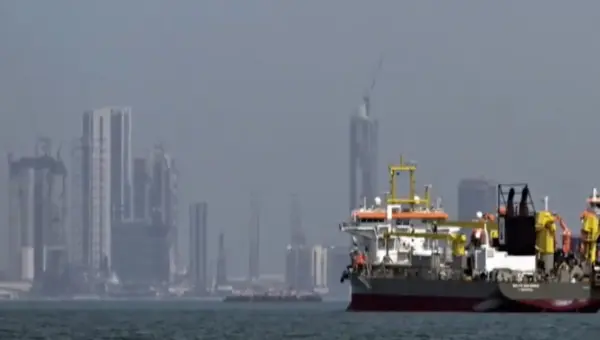
Iran Blocks China Ships, Exposing Beijing’s Weak Grip
Iran's recent decision to block Chinese ships at the Strait of Hormuz is exposing the limits of Beijing's influence in the Middle East. This action is causing delays and cancellations for Chinese manufacturers, turning a perceived geopolitical win into an economic strain.