BBC Fights Trump’s $10B Defamation Lawsuit, Seeks Dismissal
The BBC is asking a U.S. court to dismiss former President Donald Trump's $10 billion defamation lawsuit. Trump alleges a BBC documentary defamed him by editing a speech to falsely suggest he incited the Capitol riot. The broadcaster argues the documentary never aired in the U.S.

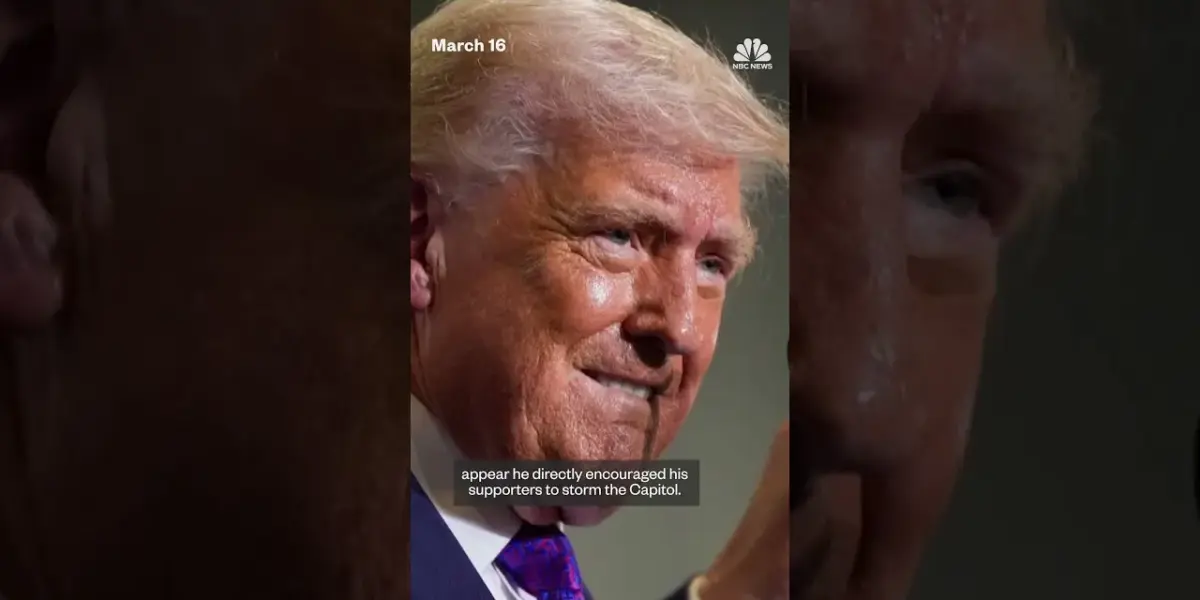
BBC Moves to Dismiss Trump’s $10 Billion Defamation Lawsuit
The British Broadcasting Corporation (BBC) has formally requested a U.S. court to dismiss the monumental $10 billion defamation lawsuit filed by former President Donald Trump. The legal battle centers on a BBC documentary that Trump alleges defamed him by selectively editing a speech he delivered on January 6th, creating the false impression that he incited his supporters to storm the U.S. Capitol. The broadcaster argues that the documentary was never aired within the United States, a key point in their motion to have the case thrown out.
The Core of the Legal Dispute: Editing and Alleged Defamation
Former President Trump’s lawsuit, seeking an unprecedented $10 billion in damages, stems from a BBC documentary that focused on the events of January 6th, 2021. According to Trump’s legal team, the documentary presented a distorted portrayal of a speech he gave on that day. They contend that the BBC employed manipulative editing techniques to make it appear as though Trump directly encouraged the crowd to march on and occupy the U.S. Capitol. This alleged misrepresentation, Trump’s team argues, constitutes defamation and has caused significant damage to his reputation.
The documentary in question reportedly analyzed Trump’s rhetoric leading up to and during the Capitol riot. Trump’s lawsuit asserts that the BBC’s editorial choices were not merely factual reporting but a deliberate attempt to frame him as the sole instigator of the violence, thereby damaging his public image and standing.
BBC’s Defense: Lack of U.S. Broadcast and Fair Reporting
In its motion to dismiss, the BBC has presented a multi-pronged defense. A central argument is that the specific documentary at the heart of Trump’s lawsuit never actually aired in the United States. This claim, if proven, could significantly undermine the basis of a defamation claim, which typically requires publication or broadcast within the relevant jurisdiction to an audience that understands the defamatory statement.
Furthermore, the BBC is likely to argue that its reporting, including the documentary’s content, constitutes fair and accurate reporting, potentially protected under principles of journalistic freedom and public interest. Broadcasters often defend against defamation claims by asserting that their content is factual, commentary based on facts, or opinion that does not meet the legal threshold for defamation.
The broadcaster’s legal strategy focuses on demonstrating that Trump’s claims lack legal merit, either due to the factual circumstances of the documentary’s distribution or the nature of the content itself. By seeking dismissal early in the legal process, the BBC aims to avoid a protracted and potentially costly trial.
Trump’s Legal Team Vows to Continue the Fight
Despite the BBC’s efforts to have the lawsuit dismissed, former President Trump’s legal team has indicated their unwavering commitment to pursuing the case. In a statement provided to NBC News, the president’s legal representatives asserted that they will continue to work diligently to hold the BBC accountable for what they perceive as defamatory reporting.
This stance suggests that Trump’s team is prepared to challenge the BBC’s arguments, potentially presenting evidence to counter the claim that the documentary was not accessible or viewed within the U.S. They may also focus on arguments related to the alleged intent behind the editing and the impact on Trump’s reputation, even if the primary broadcast was overseas.
Broader Implications for Media and Public Figures
This high-profile lawsuit touches upon significant issues at the intersection of media, politics, and defamation law. The case raises questions about the extent of journalistic freedom, the definition of defamation in the digital age, and the legal recourse available to public figures when they feel misrepresented by news organizations.
The substantial damages sought by Trump highlight the perceived impact of negative media coverage on the reputation and public standing of prominent individuals. Conversely, the BBC’s defense underscores the challenges media organizations face when reporting on controversial figures and events, and the importance of journalistic independence and the right to fair reporting.
Legal experts will be closely watching how this case unfolds, as its outcome could set precedents for future defamation litigation involving international media outlets and high-profile public figures. The legal standards applied to documentary editing, the interpretation of intent, and the jurisdiction for such claims will all be under scrutiny.
What’s Next in the Legal Battle
The immediate next step will be the court’s decision on the BBC’s motion to dismiss. If the court grants the motion, the lawsuit would be thrown out. However, if the court denies the motion, the case would proceed, likely involving further legal proceedings, discovery, and potentially a trial. Trump’s legal team will need to present compelling arguments to overcome the BBC’s preliminary objections, particularly regarding the broadcast’s reach within the U.S. and the nature of the alleged defamation.
Source: BBC seeks to have Trump's $10 billion lawsuit dismissed (YouTube)

Related Articles

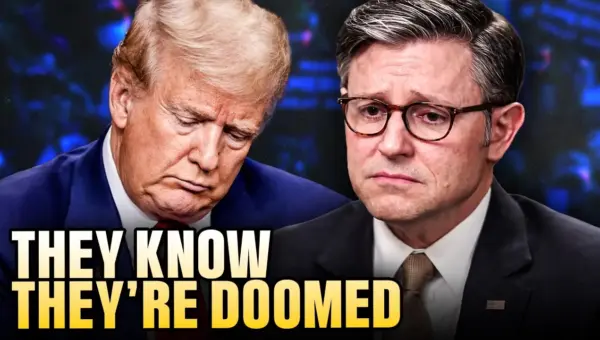
Polls Spell Doom: Republicans Face Voter Backlash
New polling data reveals a sharp decline in public confidence regarding the economic impact of Republican policies, particularly under Donald Trump. A significant majority now feel financially worse off, a trend that is especially pronounced among independent voters. This economic discontent poses a major challenge for the Republican party heading into future elections.

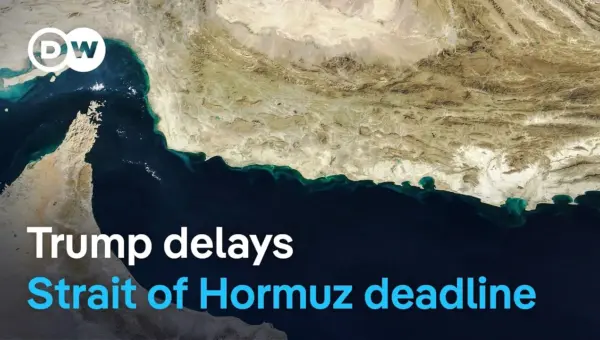
Trump Delays Iran Strike Deadline Amidst Shifting Diplomacy
President Donald Trump has extended his deadline for potential strikes on Iranian energy plants to April 6th, amid reports of U.S.-Iran diplomatic talks mediated by Pakistan. This move comes as Israel continues its strikes on Iran and the U.S. deploys additional military assets to the region. Analysts point to mixed signals, economic pressures, and strategic miscalculations as key factors shaping the evolving situation.
Iran War Claims Ring Hollow as US Troops Injured in New Attack
Days after Donald Trump claimed "we've won" the war with Iran, a new attack injured approximately a dozen U.S. troops and damaged aircraft. This incident contradicts Trump's assertions of victory and raises serious questions about the strategy and reality of the ongoing conflict.