Israel Launches Ground Offensive in Lebanon Amid Regional Tensions
Israel has launched a ground offensive in Southern Lebanon, urging civilian evacuation amid Hezbollah strongholds. Reports indicate key Iranian figures may have been killed, while international calls for de-escalation face resistance. The conflict's economic fallout, including rising oil prices, continues to impact global markets.


Israel Escalates Lebanon Conflict, Targets Hezbollah Strongholds
Residents in Southern Lebanon have been urged to evacuate northward without delay as Israel announced a targeted ground operation against what it describes as strongholds of the Iran-backed militant group Hezbollah. The Israeli Defense Minister provided no timeline for the operation’s conclusion, stating that hundreds of thousands of displaced residents would remain evacuated until peace is restored to northern Israel. This escalation signals a significant widening of the conflict, impacting civilian populations and raising regional security concerns.
Key Figures Reportedly Killed in Strikes, Iran’s Response Unclear
Adding to the complex regional dynamics, reports emerged that Israel claims to have killed two very senior Iranian officials: Ali Larijani, identified as Iran’s de facto wartime leader and former Secretary of the National Security Council, and the head of the Basij militia force. The Iranian government has not officially confirmed these claims. Larijani’s Twitter account remained active, posting a note of condolence for sailors lost in a past incident, a move that does not confirm his current status. The Basij militia is known for its role in internal repression within Iran, suggesting a potential Israeli strategy aimed at fostering regime change.
Displacement and Fear Grip Southern Lebanon
The ground offensive in Southern Lebanon has already led to a massive displacement of civilians. Approximately 800,000 Lebanese, representing one in seven people in the country, have been forced to flee their homes. The Israeli military has reportedly advanced about five miles into Lebanese territory. Fears are mounting within Lebanon that Israel intends to create a buffer zone in the south, displacing the civilian population and pushing Hezbollah forces away from Israel’s northern border. The situation on the ground remains tense, with the scale and duration of the Israeli operation uncertain.
International Calls for De-escalation Meet Resistance
In response to the escalating conflict, several key international allies, including Canada, France, Germany, Italy, and the United Kingdom, issued a joint statement calling for an immediate de-escalation between Israel and Lebanon and urging respect for international humanitarian law. However, the impact of such diplomatic interventions remains uncertain. Many of the United States’ traditional allies, including European NATO members, have largely remained bystanders, expressing reluctance to become directly involved. The Lebanese government has indicated a readiness for direct negotiations with Israel, a stance that has not been reciprocated by Israel, which appears committed to its current military actions.
Lebanon’s Government Limited in Its Response
The Lebanese government finds itself in a precarious position with limited ability to influence the conflict. Hezbollah operates as a powerful ‘state within a state,’ possessing a military force far exceeding that of the Lebanese army. Past efforts, such as the 2024 ceasefire brokered by the Biden administration, which aimed to disarm Hezbollah and establish Lebanese army control over Southern Lebanon, have not materialized. The weakness of the Lebanese government and the fear of internal conflict, potentially mirroring the country’s devastating 15-year civil war, have relegated it to the sidelines of the current crisis.
US Pressure on Allies to Secure Strait of Hormuz Amidst Rising Gas Prices
Meanwhile, in the United States, President Trump has intensified pressure on NATO allies to contribute to efforts to secure the Strait of Hormuz, a critical chokepoint for global oil transport. Daily oil exports from the region have declined, and gas prices in the U.S. have seen a significant climb. Despite Trump’s appeals, many European leaders have been resistant, citing concerns about damaging long-term relationships and emphasizing that the conflict is not theirs to engage in. Defense ministers from Germany and France have indicated their forces will maintain defensive postures in the Eastern Mediterranean rather than deploying to the Strait. Italy and Poland have also ruled out sending forces. The United Kingdom, a long-standing ally, has also expressed a commitment to avoid being drawn into a wider war with Iran. This divergence highlights the challenges in forging a united international front amidst the ongoing regional instability and its economic repercussions.
Looking Ahead: Potential for Protracted Conflict and Economic Fallout
As the conflict in the Middle East continues to unfold, the immediate focus remains on the ground operation in Southern Lebanon and the potential for further escalation. The reported high-level casualties in Iran could trigger significant retaliatory actions or internal shifts within the Iranian regime. Diplomatically, the calls for de-escalation and negotiation are unlikely to yield immediate results, given Israel’s stated objectives and the complex geopolitical landscape. The economic consequences, particularly concerning oil supply and prices, are poised to persist, with the potential for a protracted conflict impacting global markets. The international community will be watching closely to see if diplomatic channels can be opened or if the region is headed for a longer period of heightened tension and instability.
Source: LIVE: NBC News NOW – March 17 (YouTube)

Related Articles
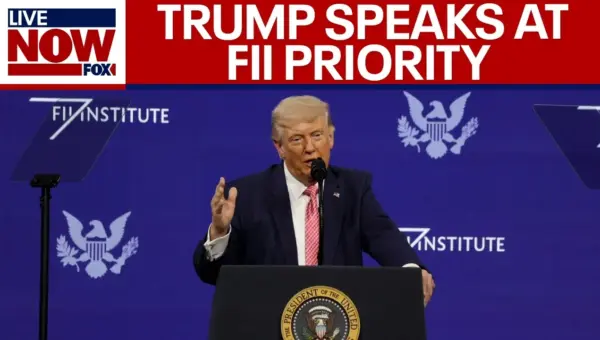
Trump Boasts Military Might, Slams Iran at Investment Summit
Former President Donald Trump spoke at the FII Priority Summit, detailing his administration's assertive stance against Iran and emphasizing the strength of the U.S. military. He claimed credit for dismantling Iran's military capabilities and preventing its nuclear ambitions. Trump also criticized NATO while praising Middle Eastern allies and touched on domestic issues like border security.
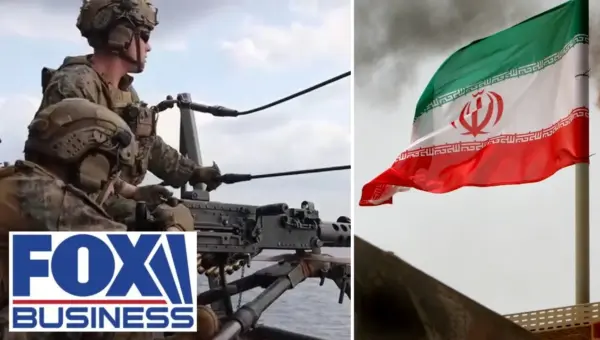
Pentagon Weighs 10,000 Troops for Iran Showdown
The Pentagon is reportedly weighing a significant troop increase of 10,000 soldiers to the Middle East, potentially escalating tensions with Iran. This move comes amid reports of U.S. precision strikes and interceptions of Iranian missiles by allies, raising concerns about regional stability and global oil supplies.

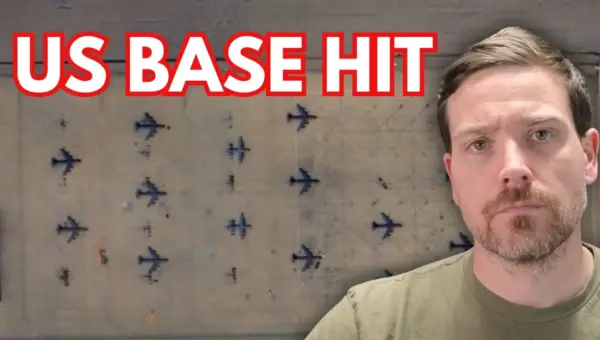
Iran Strikes US Base: Are We Learning from Mistakes?
A recent Iranian drone and missile attack wounded American service members and damaged aircraft in Saudi Arabia. This incident highlights concerns about military preparedness and the failure to learn from past mistakes, as exposed aircraft remain vulnerable targets. The ongoing conflict involves complex regional dynamics, including Iran's missile capabilities and the potential involvement of groups like the Houthis, raising questions about future stability.