Russia’s Internet Curbs Threaten Military Comms
Russia's internal internet restrictions, ostensibly for security, may be jeopardizing its military's communication capabilities. Meanwhile, Ukraine seeks to leverage drone expertise for funding, and European divisions persist over policy towards Moscow.

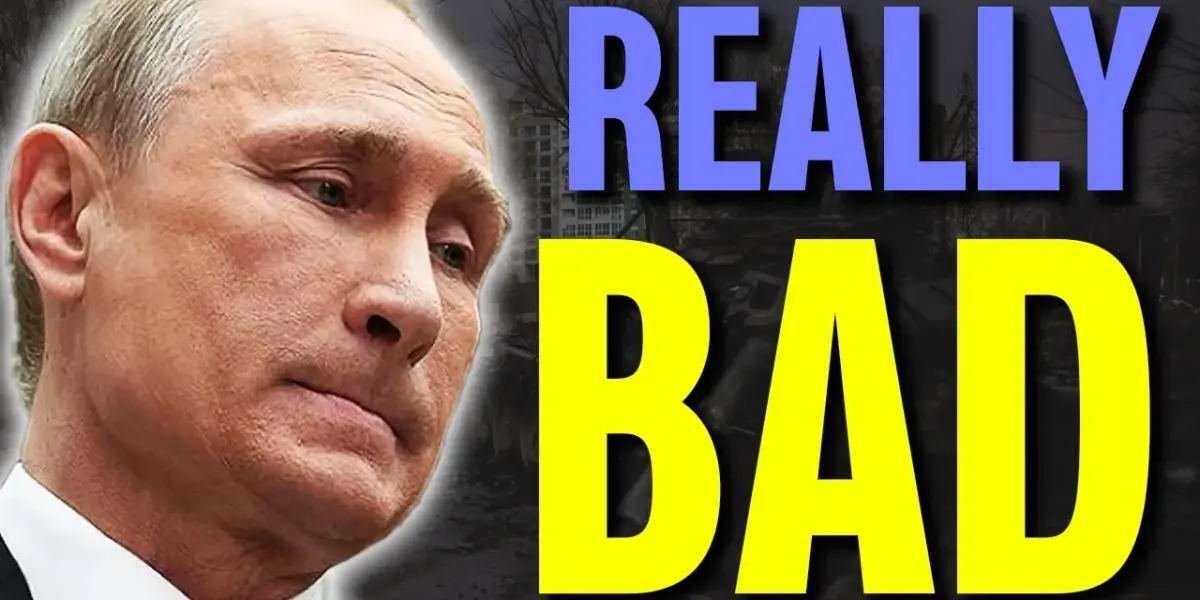
Russia’s Internet Curbs Threaten Military Comms
Recent developments in Russia indicate a potential self-inflicted vulnerability within its own military communications infrastructure, even as Moscow claims battlefield gains. Mobile internet disruptions in central Moscow, initially framed as a response to Ukrainian drone pressure, are raising concerns that these measures could inadvertently cripple vital communication channels relied upon by Russian soldiers and volunteer networks.
Moscow Experiences Digital Disruption
Over the past 48 hours, ordinary life in Moscow has been noticeably impacted by mobile internet shutdowns. These restrictions have affected a wide range of services, including cafes, shops, ATMs, parking meters, and taxi services. Reports suggest that foreign websites have become inaccessible in the city center, disrupting the daily routines of millions. While authorities cite security measures against Ukrainian drone activity as the primary reason, industry experts suspect a broader strategy aimed at increasing internet isolation within Russia.
Businesses in Moscow reportedly lost between 3 to 5 billion rubles (approximately $38 million to $63 million) in just five days due to these shutdowns. This tangible economic impact underscores the seriousness of the state’s actions, moving beyond abstract policy debates to affect the daily lives and livelihoods of citizens.
The Telegram Dilemma for Russian Forces
The potential for wider internet isolation poses a significant strategic challenge for Russia’s own military. Telegram, a widely used messaging platform, has become an indispensable tool for Russian soldiers, military bloggers, and volunteer networks supporting the war effort. According to reports, troops rely on Telegram for coordinating operations outside traditional command structures, with one soldier describing it as the platform through which “all military work goes through, all communication.” The shutdown of such a platform could be seen as a form of “self-sabotage” for the Russian army.
Adding to these communication challenges, Russian units have reportedly experienced a significant drop in Starlink internet traffic within Ukraine following tightened authentication rules by SpaceX in early February. This restriction impacted many terminals used by Russian forces, reducing Starlink traffic by approximately 75%. Prior to these changes, satellite internet was crucial for drone operators to stream live video to commanders, enabling faster decision-making and real-time coordination.
The combination of tightening external communication access (via Starlink restrictions) and potential internal communication limitations (through Telegram restrictions) could reduce the agility of a military that increasingly depends on adaptation and unofficial workarounds. This creates a potential trade-off between the Kremlin’s desire for tighter political control and the operational flexibility required by its forces on the battlefield.
Gerasimov Claims Offensive Momentum Amidst Broader Pressures
Amidst these domestic and technological challenges, Russian Chief of the General Staff Valery Gerasimov claimed that Russian forces had taken control of 12 settlements in the first two weeks of March and were on the offensive across all fronts. This assertion, made during a visit to the southern grouping of forces, appears aimed at projecting strength and shaping expectations. However, it comes at a time when other facets of Russia’s war effort face complications.
Ukrainian President Volodymyr Zelenskyy, however, suggested that Russia’s planned spring offensive had “already failed” in its intended scope, indicating that while local gains may be occurring, they do not represent the decisive acceleration Moscow sought. The distinction between tactical gains and strategic momentum is crucial; taking villages does not automatically translate into a war-altering breakthrough.
Ukraine Seeks to Leverage Drone Expertise
In a significant strategic pivot, Ukraine is attempting to monetize its extensive experience with drone warfare. Kyiv is reportedly engaging with Middle Eastern countries, including Qatar, the UAE, and Saudi Arabia, to offer expertise in defending against Iranian Shahed drones. Ukrainian assessment teams have been deployed to the region to demonstrate drone defense strategies.
President Zelenskyy has made it clear that this initiative is driven by the need for both technology and funding, seeking potential deals worth $35 billion to $50 billion. This move positions Ukraine not just as a recipient of international aid but as a provider of critical security knowledge, particularly in countering a significant threat posed by low-cost, widely deployed kamikaze drones.
European Divisions and Economic Signals
The broader international landscape also shows signs of strain. Belgian Prime Minister Bart De Wever has openly advocated for Europe to negotiate with Russia to end the war and restore access to affordable energy, framing it as a matter of “common sense” given Europe’s perceived inability to effectively pressure Moscow without U.S. backing.
Hungary continues to leverage its position, blocking a €90 billion ($103 billion) loan for Ukraine and new sanctions on Russia. This action is tied to the suspension of oil flows via the Druzhba pipeline, which Budapest blames on Kyiv, while Kyiv points to Russian strikes on pipeline equipment. This standoff highlights how infrastructure issues and differing blame narratives can be used as political leverage within the European coalition, potentially slowing critical support for Ukraine and hindering unified sanctions policy.
Economically, the Russian central bank is reportedly set to cut its benchmark interest rate from 15.5% to 15% on March 20, with analysts expecting a 50-basis-point reduction. This move comes amidst fluctuating global oil prices, which have benefited Russia, but also persistent inflation risks within the Russian economy. The war economy’s sensitivity to external price shifts and sanctions enforcement remains a key factor.
Strategic Implications
The convergence of these developments suggests a war that is increasingly bleeding into non-traditional domains. Russia’s efforts to control its domestic information space, while ostensibly a security measure, risk undermining the very communication networks that its military relies upon. The dual pressures of external communication restrictions (like Starlink) and potential internal ones (like Telegram) could reduce Russian military agility. This mirrors historical instances where over-centralization during wartime has led to unforeseen operational weaknesses.
Furthermore, the claims of territorial gains, while projected as a sign of strength, must be viewed against the backdrop of a divided Europe, internal communication strains, and a carefully managed economy. Ukraine’s proactive approach to leveraging its drone expertise for financial and technological gain represents a significant effort to build international partnerships and secure its long-term support, independent of traditional aid flows.
The friction within European coalitions, exemplified by Hungary’s actions regarding the Druzhba pipeline, demonstrates how internal disagreements can create opportunities for adversaries by delaying crucial decisions and eroding unity. The interplay between energy security, economic policy, and geopolitical strategy is becoming increasingly pronounced, suggesting that the battlefield is only one component of a much larger, interconnected conflict.
Source: Z-Army Just Made a Decision That Will Cost Them EVERYTHING. (YouTube)

Related Articles

German Memes Unveil Unexpected US Security Fears
A deep dive into German memes reveals a surprising focus on US national security, specifically the FCC's ban on foreign-made internet routers. This analysis explores the security concerns, the political satire behind the memes, and why this issue matters in our connected world.

Stocks Ignore War Risks, Focus on “Taco Moments”
Stock markets appear to be overlooking the severe supply chain risks stemming from the Iran conflict, focusing instead on potential diplomatic de-escalations. While the S&P 500 shows resilience, bond and commodity markets signal deep concern over disruptions to critical resources like LNG, helium, and fertilizers.

U.S. Iran Tensions Rise Amid Shifting Alliances
Rising tensions between the U.S. and Iran are creating a volatile geopolitical situation. With conflicting signals on de-escalation and potential shifts in alliances like NATO and U.S.-Israel relations, the path forward remains uncertain. The global economy and regional stability hang in the balance.