Ukraine Halts Russian Offensive Push in March
Ukraine reports successfully disrupting Russia's planned March offensive, signaling a potential shift in battlefield momentum. While combat continues, the scale of assaults has reportedly fallen short of Russian objectives. Kyiv emphasizes the need for sustained international pressure and support to bolster defenses and achieve lasting peace.

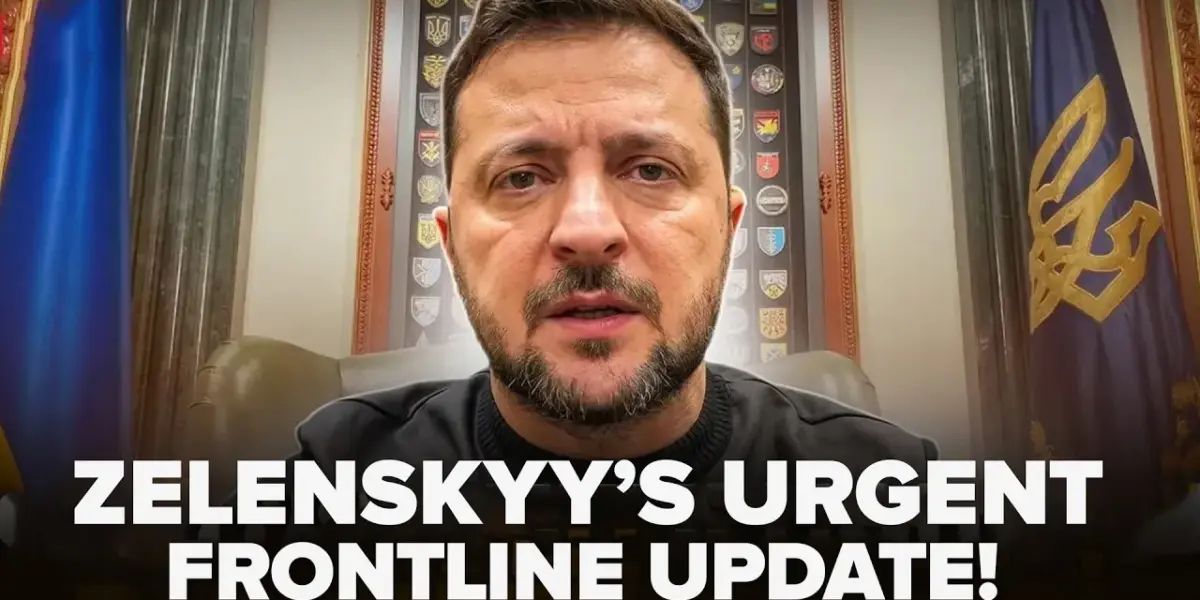
Ukraine Disrupts Russian Strategic Offensive in March
Kyiv has announced a significant disruption to Russia’s planned strategic offensive operations for March, indicating a shift in battlefield dynamics. While combat remains intense and assaults continue, Ukrainian officials state the scale and intensity of Russian attacks have fallen short of Moscow’s objectives. This development, if sustained, could signify a crucial pause in Russian advances and bolster Ukrainian defensive capabilities.
Key Frontline Sectors Under Pressure
President Volodymyr Zelenskyy highlighted ongoing defensive efforts across several critical sectors. In the Donetsk sector, Ukrainian forces are actively defending positions against persistent Russian assaults. The Kharkiv region and border areas of the Sumy region also remain active fronts, requiring continuous attention from Ukrainian defenders. The Zaporizhzhia sector is noted as a particular focus for Russian attempts to reinforce their presence, though Ukrainian forces report success in degrading enemy strength in the area.
The President specifically commended the performance of Ukraine’s air assault forces, infantry, unmanned systems units, artillery, intelligence, special forces, and elements of the National Guard and National Police. This broad recognition underscores the multi-domain nature of the current conflict and the integrated approach required for effective defense.
Strategic Context: The Importance of March Operations
The disruption of a planned strategic offensive is militarily significant. Such operations are typically designed to achieve decisive territorial gains, break through enemy lines, or force a strategic repositioning of opposing forces. By thwarting Russia’s March offensive plans, Ukraine aims to prevent the establishment of new Russian positions, preserve its own defensive lines, and potentially degrade Russian offensive capacity for future operations. The intensity and scale of assaults are key indicators of an offensive’s momentum; a reduction in these metrics suggests either a loss of initiative by the attacker or a successful defense that imposes unsustainable costs.
Diplomacy, Sanctions, and International Support
Beyond the immediate battlefield, President Zelenskyy emphasized the interconnectedness of military success with international support. He reiterated the importance of sustained sanctions against Russia and the effective implementation of financial aid packages from international partners. Specifically, the utilization of a €90 billion support package approved by Europe was cited as crucial for Ukraine’s resilience, particularly in preparing for the upcoming winter.
Discussions with Prime Minister Denys Shmyhal focused on regional resilience plans, financial resource allocation, and the necessity of partner contributions. The emphasis on preparedness for winter, drawing lessons from past challenges, highlights the long-term strategic planning required amidst active hostilities.
Economic and Social Resilience
The Ukrainian government is also prioritizing domestic support measures. The continuation of pension indexation, even during a full-scale war, was noted as a significant achievement. New support programs and additional payments for pensioners and vulnerable social groups are slated for April. Furthermore, road repairs have commenced in several regions, with a particular focus on routes critical for military logistics and the evacuation of wounded personnel near the front lines.
The Role of Diplomacy and Continued Pressure
President Zelenskyy addressed the ongoing diplomatic efforts, stating that negotiations have not been abandoned but are contingent on the readiness of partners and the application of pressure on Russia. The strategic assessment presented is that Russia is responsive to external pressure; a reduction in pressure emboldens Moscow to continue military actions. Therefore, sustained pressure is viewed as the key to achieving genuine peace and effective agreements. Ukraine is actively engaged in continuous communication with partners, including the United States, to enhance its defense capabilities and secure ongoing support.
Volunteerism and National Spirit
The address also commemorated the role of volunteers in Ukraine’s defense. Since the 2014 conflict and the full-scale invasion in 2022, thousands of Ukrainian citizens have stepped forward, forming the backbone of many modern combat units. These volunteers are credited with inspiring national resilience and demonstrating a steadfast commitment to defending Ukraine’s independence and sovereignty. The President concluded by honoring the memory of all fallen Ukrainian soldiers and volunteers, emphasizing their sacrifice as the foundation for Ukraine’s continued existence.
Strategic Implications
Ukraine’s reported success in disrupting Russia’s March offensive suggests that Ukrainian forces are effectively stabilizing the frontlines and imposing significant costs on Russian offensive operations. This could translate into a more attritional phase of the conflict, where Russia struggles to achieve breakthroughs. The emphasis on international support and sanctions underscores Ukraine’s strategy of leveraging diplomatic and economic tools to complement its military defense. The focus on domestic resilience, including infrastructure and social support, indicates a long-term commitment to sustaining the nation through prolonged conflict. The assertion that pressure is key to diplomacy highlights a strategic calculus aimed at forcing concessions from Russia through sustained military and economic strain.
Source: 😱Zelenskyy shocked with news from front! You Won’t Believe What Ukraine’s Army Did (YouTube)

Related Articles
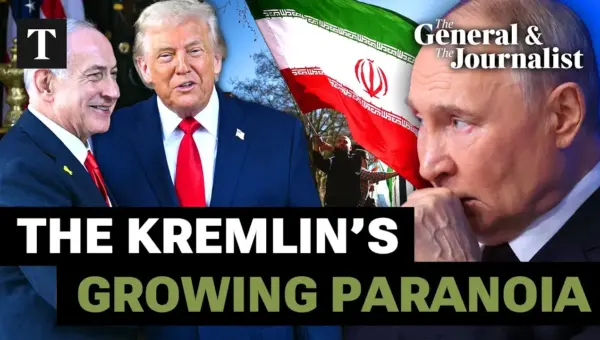
Kremlin Shakes: Elite Discontent Fuels Putin’s Paranoia
Internal turmoil and paranoia are reportedly gripping the Kremlin as President Putin faces growing elite discontent and the realities of the Ukraine war. Meanwhile, Russia's strategic involvement in the Iran conflict highlights complex calculations and potential risks, even as a wider global war remains unlikely.
Ukraine Hits Russian Oil, Pentagon Eyes Aid Shift
Ukraine's strikes are crippling Russian oil exports, with 40% of capacity offline. Meanwhile, the Pentagon may shift air defense aid to the Middle East. Ukraine is countering by deepening ties with Saudi Arabia and other Gulf nations, leveraging its combat experience.
Ukraine Strikes Russian Oil Refinery, Eyes Iran Threat
Ukrainian forces struck a key Russian oil refinery, disrupting Moscow's war capabilities. Meanwhile, Finland's president urged continued U.S. support for Ukraine, as Kyiv shares its air defense expertise globally amid growing geopolitical complexities involving Iran and potential sanctions against Hungary.