F1 Scratches Bahrain, Saudi Races Amid Mideast Conflict
Formula 1 has cancelled the Bahrain and Saudi Arabian Grands Prix due to escalating Middle East conflict following Iran's drone and missile attacks. The decision, driven by security concerns, will result in significant financial losses for F1 and its teams, as replacements were deemed logistically unfeasible on short notice.

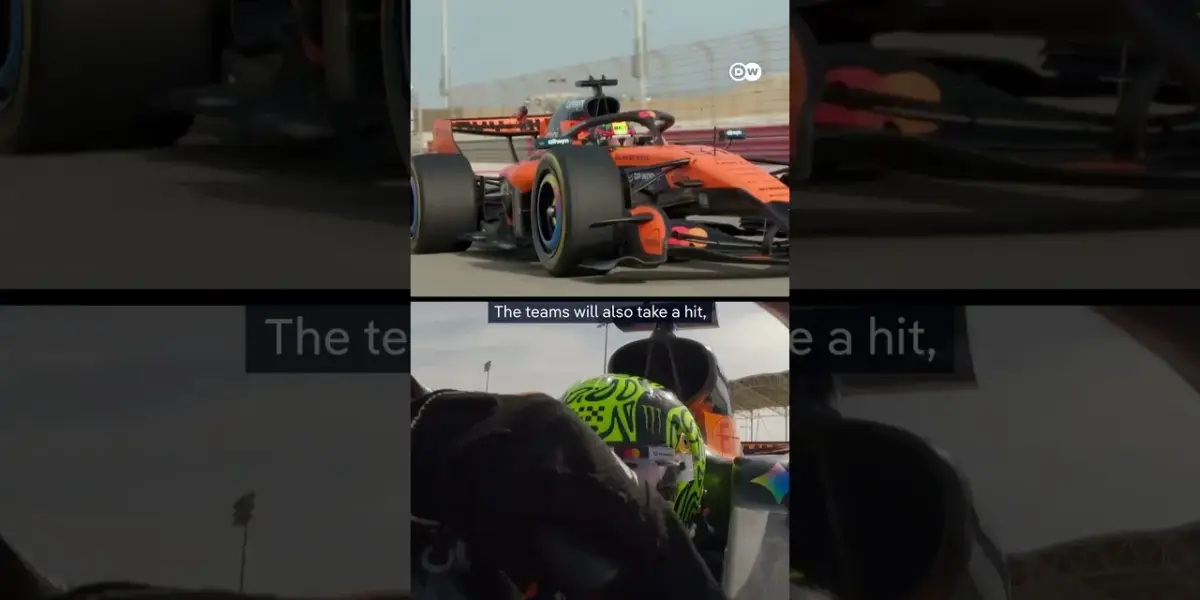
F1 Cancels Races Amid Escalating Middle East Tensions
Formula 1 has been forced to cancel two of its marquee events, the Bahrain Grand Prix and the Saudi Arabian Grand Prix, due to the escalating conflict in the Middle East. The decision comes in the wake of Iran’s launch of hundreds of missiles and drones targeting both nations, creating an untenable security situation for the global motorsport spectacle. The cancellations represent a significant financial blow to Formula 1 and its participating teams, as both Bahrain and Saudi Arabia are among the highest-paying hosts on the racing calendar.
Financial Repercussions for Formula 1 and Teams
The cancellation of the Bahrain and Saudi Arabian Grands Prix will undoubtedly lead to substantial financial losses for Formula 1. These two races are known for their lucrative hosting fees, contributing significantly to the sport’s overall revenue. The absence of these events from the calendar means a direct loss of income that is not expected to be replaced. Furthermore, the teams themselves will feel the financial pinch. Prize money distributed to teams is directly linked to Formula 1’s revenue, meaning a reduction in overall earnings will inevitably result in lower payouts for the constructors.
Discussions regarding potential replacements for the cancelled races were reportedly explored. Countries such as Portugal and Turkey were considered as possible venues to fill the void. However, the intricate logistics involved in rescheduling Formula 1 events proved insurmountable given the short notice. The global nature of the sport, with its complex supply chains, personnel movements, and track preparations, makes last-minute adjustments extremely challenging.
Historical Precedent for Race Cancellations Due to Conflict
This is not the first instance of a Formula 1 Grand Prix being cancelled due to geopolitical instability. The sport has a history of adapting to challenging circumstances. Notably, the Bahrain Grand Prix in 2011 was called off due to the Arab Spring uprisings that swept across the region. At that time, concerns over safety and the political climate led to the decision to withdraw the event from the schedule. The current cancellation underscores the recurring vulnerability of major international sporting events to regional conflicts and the difficult decisions organizers must make to ensure the safety of participants and spectators.
Broader Implications for Global Sport and Diplomacy
The cancellation of the Bahrain and Saudi Arabian Grands Prix sends a stark message about the current state of geopolitical affairs in the Middle East. It highlights how regional tensions can have far-reaching consequences, impacting not only diplomatic relations but also major global industries like professional sports. The decision by Formula 1 to prioritize safety and withdraw from these events demonstrates a commitment to responsible event management in the face of escalating threats. It also raises questions about the future viability of hosting major international sporting events in regions prone to volatility. While the economic benefits of hosting such events are undeniable, the paramount importance of security and stability cannot be overstated.
The complexity of modern motorsport logistics means that even with willing hosts, a rapid replacement is often unfeasible. The extensive planning required for a Formula 1 race weekend, from transporting equipment and personnel to ensuring track readiness and security, demands months, if not years, of preparation. The short turnaround time following the escalation of hostilities in the Middle East made finding and integrating a suitable replacement circuit practically impossible. This logistical hurdle is a constant challenge for organizations like Formula 1, which operate on a tightly scheduled global calendar.
Looking Ahead: What’s Next for F1?
The immediate focus for Formula 1 will be on managing the financial fallout from these cancellations and assessing the security landscape in the Middle East. Organizers will need to re-evaluate their calendar planning and risk assessment strategies to better prepare for unforeseen geopolitical events. The sport’s long-term commitment to the region may be tested, and future race locations could be subject to more rigorous security vetting. Fans and teams alike will be watching closely to see how Formula 1 navigates these turbulent times and what adjustments will be made to ensure the stability and continuity of future seasons.
Source: Formula 1 cancels Bahrain and Saudi Arabia races | DW News (YouTube)

Related Articles

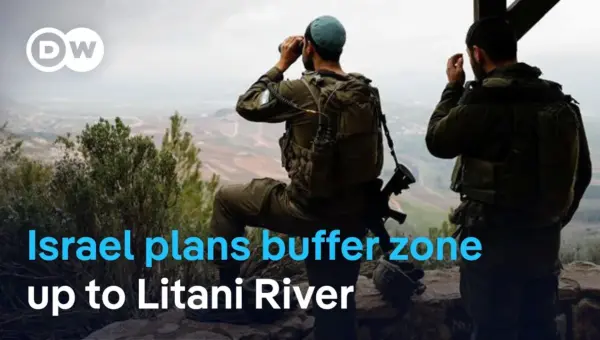
Israel Eyes Lebanon Buffer Zone: A Political Ploy?
Israel's military operations in southern Lebanon aim to create a buffer zone and pressure Hezbollah, according to expert Yazid Sayigh. He argues the strategy is more political than military, echoing historical tactics. The ongoing conflict could destabilize Lebanon further, while Hezbollah fights for survival.
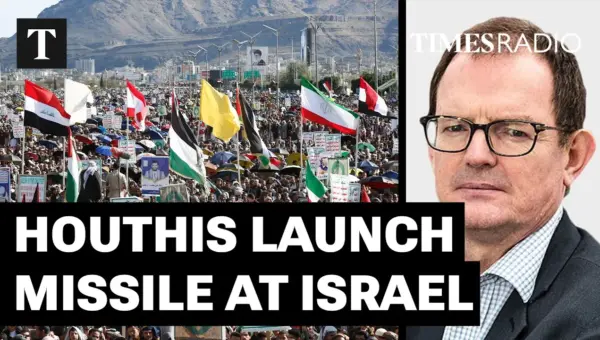
Houthis Fire Missile at Israel, Iran’s Guard Takes Center Stage
Yemen's Houthi group has fired a missile at Israel, signaling a potential escalation of the regional conflict. Meanwhile, Iran's powerful Islamic Revolutionary Guard Corps (IRGC) appears to be consolidating its control over the country's leadership following reported strikes. This shift places hardline figures at the forefront of decision-making.
Iran Missile Strikes Injure US Troops, Raise War Concerns
Iranian missile strikes have injured U.S. service members, escalating tensions as the conflict nears one month. The attacks are raising concerns about the effectiveness of U.S. military strategy and the depletion of crucial missile stockpiles. Global oil prices have surged, impacting economies worldwide.