Macron Urges Iran to Halt Attacks; Ukraine Cites Russian Gains
French President Macron urged Iran to halt regional attacks, citing humanitarian risks and the need for security guarantees. Meanwhile, Ukraine claims Russia is profiting from Middle East instability to fund its war effort and that its own spring offensive has failed.

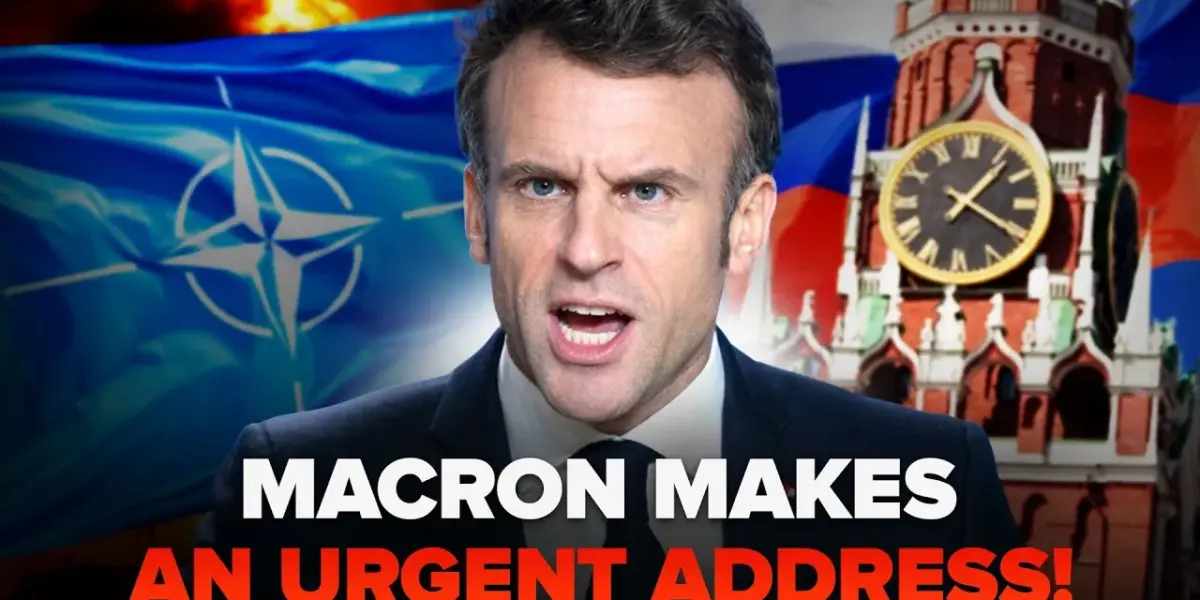
Macron Urges Iran to Halt Attacks; Ukraine Cites Russian Gains
French President Emmanuel Macron has directly urged Iran to cease its “unacceptable attacks” on Middle Eastern countries, carried out both directly and through proxies, particularly impacting Lebanon and Iraq. Speaking with Iranian President Ebrahim Raisi, Macron emphasized France’s commitment to a defensive posture in the region, focused on protecting national interests, cooperating with allies, and ensuring freedom of navigation. He warned that any aggression against France would be met with consequences and highlighted the severe humanitarian risks and regional chaos stemming from uncontrolled escalation.
Macron asserted that lasting peace and stability in the Middle East necessitate a new framework of political and security guarantees. This framework, he stated, must include robust oversight of Iran’s nuclear program, accountability for its missile program, and a cessation of its destabilizing regional actions. Crucially, Macron called for the restoration of freedom of navigation in the Strait of Hormuz, underscoring its vital importance to the global economy and maritime security.
Ukraine Links Russian Profit to Middle East Conflict
Ukrainian President Volodymyr Zelenskyy has drawn a direct line between the ongoing conflict in the Middle East and Russia’s financial and strategic incentives to continue its war against Ukraine. Zelenskyy claims that Russia has profited approximately $10 billion in just two weeks from the Middle East crisis, providing President Vladimir Putin with increased confidence and resources to sustain his military operations.
“This is really dangerous. It gives Putin more confidence that he can’t continue the war,” Zelenskyy stated, linking this new revenue stream to the easing of some international sanctions against Russia. He noted that Russia had faced a deficit exceeding $100 billion in 2026 alone due to sanctions and Ukrainian strikes, but the current situation around Iran and relaxed restrictions are now enabling new revenue generation.
Zelenskyy further elaborated on what he described as a potential “barter arrangement” between Moscow and Tehran. He alleges that Russia supplies Iran with weapons, while Iran uses its energy revenues to support the Iranian regime, thereby creating a broader security threat in the Middle East. This alleged nexus, he argues, fuels both conflicts and undermines global stability.
Russian Spring Offensive Failure Claimed
President Zelenskyy also declared that Russia’s planned spring offensive has “completely failed.” According to his assessment, Russian forces have been unable to achieve significant advances, resorting instead to small-group infiltrations and repeated assaults that are largely neutralized by Ukrainian defenders. He specifically cited the successful operations in Kupyansk in 2025 and in the south of Ukraine this year as contributing factors to the Russian offensive’s lack of success.
“They cannot break through with equipment. We destroy their machinery,” Zelenskyy asserted, indicating that Russian heavy equipment is being effectively countered. Despite this claimed failure of large-scale operations, he cautioned that Russia still intends to pursue aggressive actions, with intelligence suggesting potential continued offensive operations in the Zaporizhzhia, Dnipro, and Luhansk directions. He described current actions in Sumy and Chernihiv regions as “demonstrations” due to a lack of forces in those areas, with troops having been redeployed.
Drone Deal Stalemate and Diplomatic Efforts
The article also touches upon stalled defense cooperation between Ukraine and the United States. President Zelenskyy reiterated Ukraine’s proposal for a major drone deal, valued between $35 and $50 billion, which would involve Ukrainian technology exports and joint production. This initiative aims to establish expert structures in areas like AI-based drones and electronic warfare systems, with Ukraine seeking funding and ballistic missile defense capabilities in return.
“Essentially Ukraine proposed exchanging UAV defense systems for missile defense systems,” Zelenskyy explained. While he stated that US officials have shown interest, the deal remains unsigned, with the reasons for the delay unclear. Ukraine has reportedly already reached agreements with European countries and received proposals from the Middle East, Gulf countries, and Africa for drone technology and production.
Zelenskyy emphasized the need for direct presidential-level meetings to resolve key issues in diplomatic efforts, particularly concerning peace talks with Russia. He criticized the postponement of a planned trilateral meeting between Ukraine, the US, and Russia due to the situation in Iran, stating, “If we really want to stop the war, we need to meet.” He called for increased pressure on Russia, suggesting that without it, meaningful negotiations will not occur, as Putin, in his view, only seeks ultimatums rather than genuine peace.
In contrast, the article notes that former US President Donald Trump continues to accuse Zelenskyy of not wanting peace, while claiming Putin is ready for a deal. This divergence in perspectives highlights the complex geopolitical landscape surrounding ongoing conflicts and diplomatic initiatives.
Source: ⚡️Macron speaks out urgently! Kremlin didn't see this coming! Putin’s army is defeated (YouTube)

Related Articles

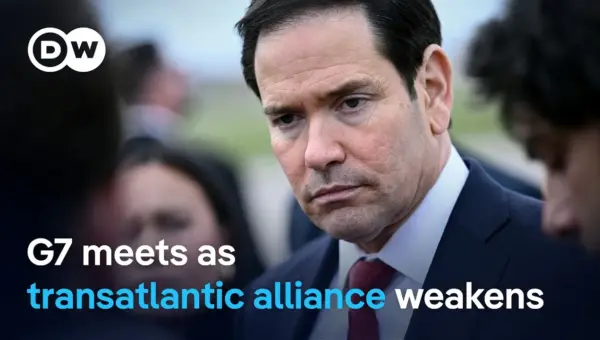
G7 Allies Clash Over Iran War Strategy, Urge Focus on Russia
G7 foreign ministers met in Paris, revealing deep divisions over the U.S. war with Iran. European allies urged the U.S. to pressure Russia, linking its actions to the conflict and fearing support for Ukraine will wane.
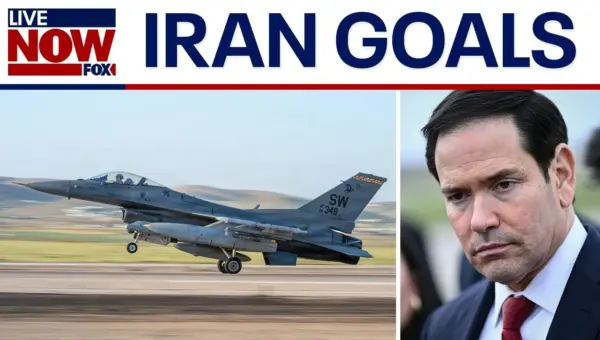
Rubio: US Can Achieve Iran War Goals Without Troops
Senator Marco Rubio outlined a strategy to counter Iran without deploying U.S. ground troops, focusing on weakening the regime and enhancing maritime security. He also criticized Cuba's economic system and expressed concerns about West Bank violence.


Israelis Forge Resilience Amidst Constant Bomb Shelter Drills
Life in Israel is a blend of resilience and constant vigilance, with many families adapting to frequent bomb shelter drills and even sleeping in makeshift shelters. Despite ongoing missile attacks, Israelis strive to maintain normalcy, though businesses face disruption and emotional fatigue is a growing concern.