$400M Iran Deal Fuels GOP Fury Over Nuclear Program
A Republican senator has sharply criticized the Obama and Biden administrations' Iran policies, citing a $400 million transfer and a $6 billion hostage deal. He argues these actions enabled Iran's nuclear program and terrorism financing, creating a dangerous geopolitical situation.

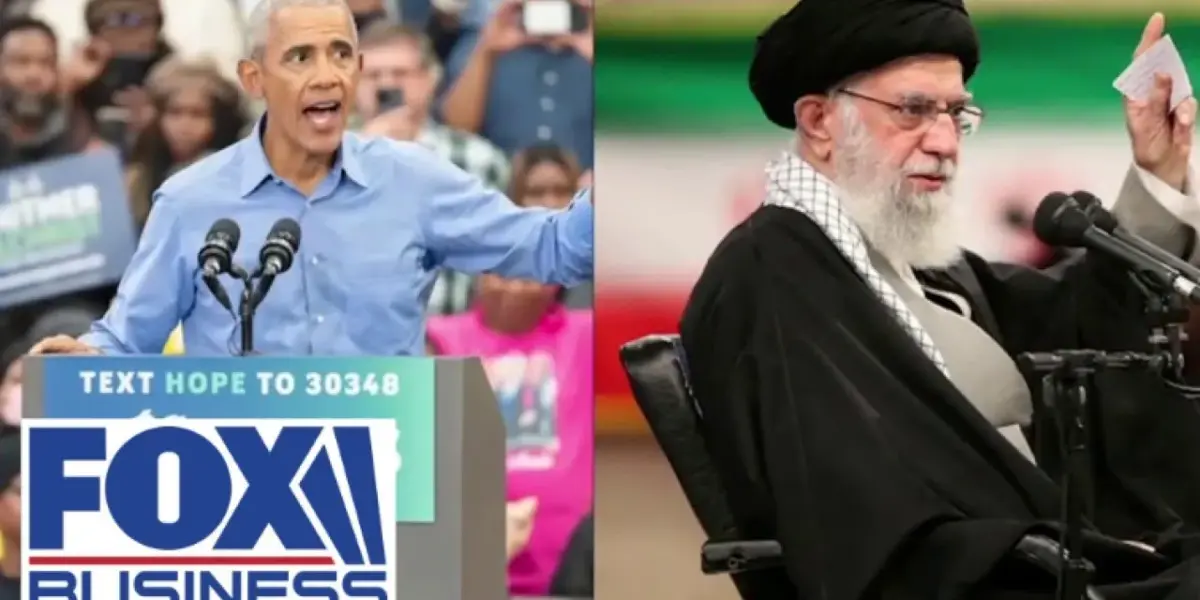
GOP Senator Slams Obama, Biden Administrations Over Iran Policy, $400 Million Transfer
A prominent Republican senator has strongly criticized the foreign policy decisions of both the Obama and Biden administrations regarding Iran, labeling them as “dangerous,” “reckless,” and “naïve.” The senator’s remarks, made in the context of a $400 million payment to Iran and ongoing concerns about the nation’s nuclear ambitions, highlight a deep partisan divide on national security strategy.
Accusations of Enabling Iran’s Nuclear and Terrorist Activities
The core of the criticism centers on past and present U.S. administrations’ approaches to Iran, particularly concerning financial transactions and the perceived failure to curb the nation’s pursuit of nuclear weapons and support for terrorism. According to the senator, the Obama administration’s decision to transfer $400 million to Iran was a “dangerous reckless move.” This move is seen as particularly egregious given Iran’s alleged actions against U.S. troops, its own citizens, and its global threats of terror attacks.
“It’s completely naïve, they turned around and use the money to rebuild their nuclear program and build ballistic missiles and do all the things to finance terrorism with Hezbollah and all of them, they literally took Barack Obama as a fool and played along and give them the money to finance the things now, President Trump is in a position he has to take care of.”
The senator contends that Iran has utilized such funds to advance its nuclear program, develop ballistic missiles, and finance terrorist organizations like Hezbollah. This perspective suggests a belief that financial concessions have directly contributed to Iran’s growing military and geopolitical capabilities, posing a significant threat to regional and global security.
Biden Administration Under Fire for $6 Billion Hostage Deal
The criticism extends to the Biden administration, which is facing scrutiny for approving a $6 billion transfer to Iran in exchange for the release of American hostages. This action, occurring on the 22nd anniversary of the 9/11 attacks, has been characterized by critics as “undercutting” efforts to stand up to Iran. The senator argues that the Biden administration, along with the Obama administration, has “pulled up the rent essentially with their energy policies and their naïve approach on terrorism.”
The senator further asserts that the current administration’s policies, including a focus on the Green New Deal, have inadvertently aided groups like Iran in financing wars and have failed to enforce consequences as Iran has repeatedly crossed perceived “red lines.” The implication is that past failures have created a situation where President Trump is now burdened with rectifying these long-standing issues.
Iran’s Nuclear Capacity and Regional Threats
The senator attributes Iran’s current capacity to develop nuclear weapons, launch ballistic missiles, and threaten vital shipping lanes like the Strait of Hormuz directly to the “failures of two Democrat presidents.” This assertion paints a picture of a nation that has been allowed to significantly advance its strategic capabilities due to perceived policy weaknesses from Democratic administrations.
The criticism is amplified by the fact that Iran’s nuclear program has been a point of contention for decades. The Joint Comprehensive Plan of Action (JCPOA), commonly known as the Iran nuclear deal, negotiated under the Obama administration, aimed to prevent Iran from developing nuclear weapons in exchange for sanctions relief. However, the Trump administration withdrew the U.S. from the deal in 2018, reimposing sanctions. The Biden administration has sought to re-engage in negotiations, but progress has been slow, and concerns about Iran’s nuclear advancements persist.
Cross-Party Criticism and National Security Debate
Interestingly, the senator references comments from Democratic figures, including Senator John Fetterman, who has also been critical of his own party’s approach. The senator uses Fetterman’s apparent acknowledgment that Democrats, including Obama and Biden, helped create the conditions for Iran to rebuild its nuclear capabilities, as validation for his own stance.
The debate highlights a fundamental disagreement on how to best counter Iran’s influence and nuclear ambitions. While Democrats often emphasize diplomacy and international agreements, Republicans tend to favor a more assertive stance, including robust sanctions and military deterrence. The senator’s comments suggest that even within the Democratic party, there is a growing recognition of the challenges posed by Iran’s nuclear program and the effectiveness of past policies.
Market Impact and Investor Considerations
The geopolitical tensions surrounding Iran have significant implications for global markets, particularly in the energy sector. Iran is a major oil producer, and any disruption to its exports or increased regional instability can lead to volatility in crude oil prices. Investors closely monitor developments in the Middle East, as they can impact inflation, supply chains, and the overall economic outlook.
Furthermore, the ongoing debate about nuclear proliferation and state-sponsored terrorism creates uncertainty. For investors, this translates to a need for careful risk assessment. Sectors such as defense, cybersecurity, and energy may experience fluctuations based on the evolving geopolitical landscape. The emphasis on sanctions relief and international agreements versus a more confrontational approach can influence trade relations and investment flows, particularly concerning countries engaging with Iran.
Long-Term Implications
The long-term implications of the current U.S. policy towards Iran remain a subject of debate. Critics like the senator argue that past approaches have emboldened Iran, leading to a more dangerous regional environment and a heightened risk of nuclear proliferation. They advocate for policies that prioritize direct confrontation and stringent sanctions to dismantle Iran’s nuclear and missile programs.
Conversely, proponents of diplomacy and engagement believe that sustained international pressure, coupled with a willingness to negotiate, offers the most viable path to de-escalating tensions and preventing Iran from acquiring nuclear weapons. The effectiveness of sanctions, the role of international alliances, and the potential for miscalculation all contribute to the complex strategic calculus involved in managing relations with Iran. Investors will need to stay attuned to these shifting strategies, as they can shape global economic stability and create both risks and opportunities across various asset classes.
Source: They took Barack Obama as a fool, GOP senator says (YouTube)

Related Articles

U.S. Iran Tensions Rise Amid Shifting Alliances
Rising tensions between the U.S. and Iran are creating a volatile geopolitical situation. With conflicting signals on de-escalation and potential shifts in alliances like NATO and U.S.-Israel relations, the path forward remains uncertain. The global economy and regional stability hang in the balance.


Iran Targets US With Cyberattacks, Escalating Digital Warfare
Iran is increasingly using cyberattacks to challenge the U.S., as seen in a recent hack of the FBI director's account. Experts say this is a strategic shift due to Iran's limitations in conventional warfare. The U.S. needs to strengthen its digital defenses, focusing on encryption and cloud computing, rather than solely relying on traditional security measures.
Ukraine Strikes Russian Oil Refinery, Eyes Iran Threat
Ukrainian forces struck a key Russian oil refinery, disrupting Moscow's war capabilities. Meanwhile, Finland's president urged continued U.S. support for Ukraine, as Kyiv shares its air defense expertise globally amid growing geopolitical complexities involving Iran and potential sanctions against Hungary.