Trump Ignores Fallen Troops, Sparks Outrage Over War Response
Former President Donald Trump is facing criticism for allegedly ignoring the deaths of six U.S. Air Force personnel and for his handling of the ongoing conflict. Critics point to his reported lack of empathy and controversial fundraising tactics as evidence of his unsuitability for leadership.

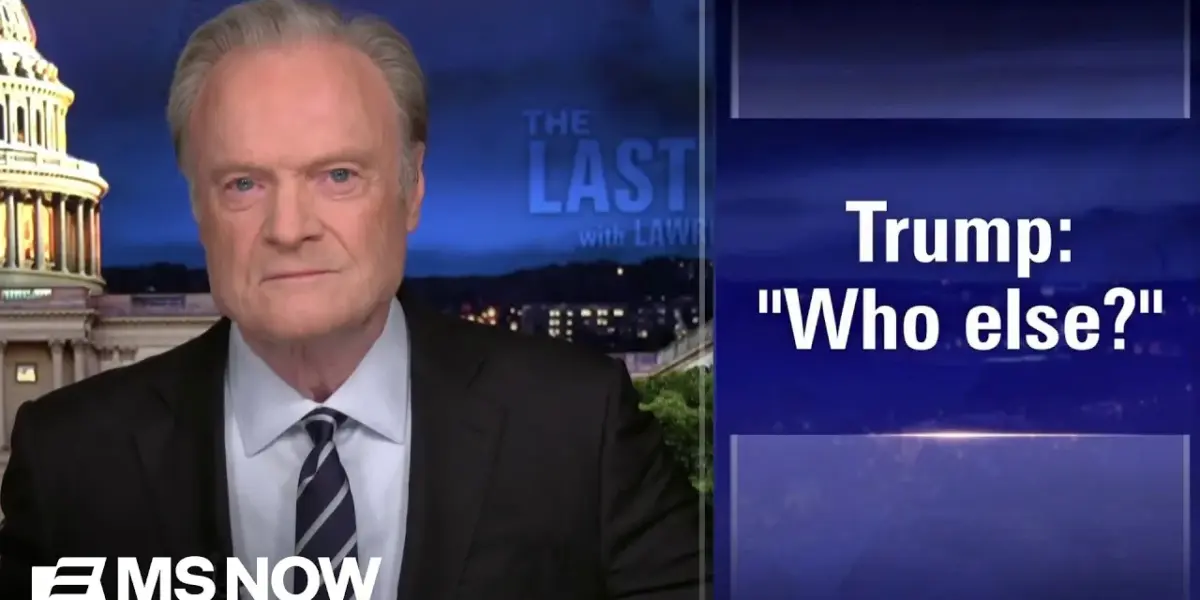
Trump’s Silence on Fallen Airmen Sparks Outrage
In a moment that has drawn widespread condemnation, former President Donald Trump reportedly refused to acknowledge or comment on the deaths of six U.S. Air Force personnel who died when their refueling plane crashed in a conflict zone. The incident, which occurred recently, has been described by critics as a stark illustration of Trump’s alleged lack of empathy and his departure from presidential norms. The transcript of a recent commentary highlights this moment, questioning Trump’s ability to express sympathy, particularly for those serving in the military.
A Pattern of Disregard?
According to the commentary, when asked about the six Air Force members, Trump’s response was reportedly a non-verbal turn away, followed by an immediate pivot to another question. This reaction has been contrasted with the behavior of previous presidents, who, regardless of eloquence, have consistently found words to honor military sacrifice. The six Air Force personnel who lost their lives have been identified as Air Force Sergeant Tyler Simmons, 28, of Columbus, Ohio; Major John Klinner, 33, of Auburn, Alabama; Captain Ariana Savino, 31, of Covington, Washington; Sergeant Ashley Pruitt, 34, of Bardstown, Kentucky; Captain Seth Koval, 38, of Stoutville, Ohio; and Captain Curtis Anxt, 30, of Wilmington, Ohio. The dignified transfer of their remains was scheduled to be closed to the press at the families’ request.
“This could have been prevented. We didn’t need to be in this war. You know, this is this is uncalled for and this is what we get. Families are suffering right now. Not only our family, but there are other families that’s lost loved ones. Just to create a war because you want to create a war. It’s not right. It is not right.”
– Cousin and grandmother of Air Force Sergeant Tyler Simmons
Exploiting Tragedy for Political Gain?
The commentary further alleges that Trump has a history of exploiting military deaths for political fundraising. It references a previous incident where Trump reportedly sent out a fundraising email using a photograph of himself at a dignified transfer ceremony. This action was described as disgraceful and unprecedented, with the commentary suggesting it would typically warrant unanimous condemnation from Congress. The email in question allegedly promised recipients “unfiltered updates on the threats facing America” and “inside scoop direct from me, President Trump,” in exchange for donations.
Questions of Competency and Mental Fitness
The alleged lack of empathy and the reported fundraising tactics are framed within a broader critique of Trump’s leadership and mental state. The commentary suggests that Trump’s public statements, including a recent claim about speaking with a Democratic former president who supports his war (a claim denied by former presidents Clinton, Obama, and Biden), could be grounds for invoking the 25th Amendment due to concerns about his mental health and capacity to serve. Trump’s response to questions about when the war would end – stating “When I feel it. Okay. I feel it in my bones” – is also cited as evidence of his erratic decision-making and lack of a clear strategy.
International Relations and Accusations of Treason
The article also touches upon Trump’s shifting foreign policy in the context of the conflict. It notes his initial stance that the U.S. military didn’t need help, followed by a reported plea for foreign countries to assist. The commentary points out that no other country has yet stepped into the conflict zone. Furthermore, Trump’s invitations to Russia and Iran to participate in the world oil market, especially during an oil crisis allegedly created by his actions, are highlighted. The commentary also addresses Trump’s use of the word “treason” to describe accurate reporting on his war, explaining the legal definition and the high bar for such a charge, which has not been met since World War II.
FCC Chair’s Role and Future Uncertainty
Brendan Carr, the FCC chair, is also mentioned, described as having “deranged” imaginary powers and threatening to revoke broadcast licenses for accurate reporting on Trump’s war. The commentary dismisses these threats as empty, asserting that the FCC chair lacks such authority. The article concludes by posing questions about who else will die while waiting for Trump to end his war and whose deaths will be ignored by a president perceived as feeling nothing.
Looking Ahead
The events described raise significant questions about presidential conduct, the handling of military casualties, and the impact of political rhetoric on national discourse. As the situation evolves, attention will likely remain focused on the White House’s approach to foreign conflicts, the accountability of political leaders for their words and actions, and the ongoing debate surrounding Trump’s fitness for office.
Source: Lawrence: When asked, Trump refused to honor fallen U.S. troops in his war (YouTube)

Related Articles
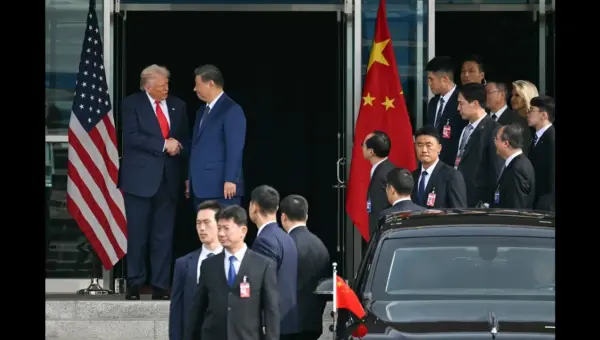
Trump’s “Walk Away” Tactic Signals Tougher Stance on China
Retired Air Force Brigadier General David Stillwell believes President Trump's strategy of being willing to walk away from negotiations puts pressure on China. This tactic, combined with US global actions and strengthened alliances, signals a more assertive American foreign policy.
Trump’s Name Everywhere: A ‘Stain’ on GOP Legacy?
Former President Donald Trump's efforts to brand national symbols, including a proposed signature on dollar bills, spark debate. Critics view this as an authoritarian attempt to embed his legacy, potentially staining the Republican Party's history and contrasting with democratic ideals of public ownership.
Trump’s War Talk Stuns Financial Crowd
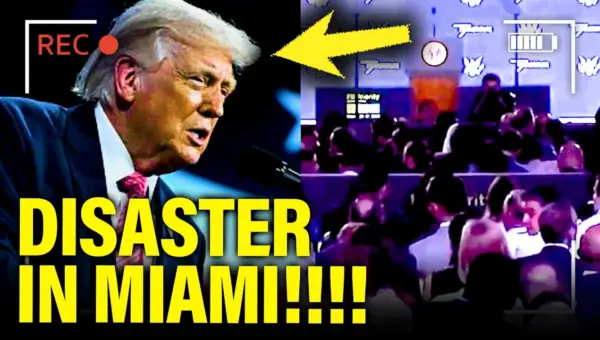
Donald Trump's recent speech in Miami focused on his foreign policy, particularly his critical views on NATO and his vision for international relations. He declared the U.S. would no longer defend NATO allies, questioned the value of existing alliances, and suggested renaming the Strait of Hormuz. The speech also touched on his personal views of success, his allies, and his perceived role as a global peacemaker.