Fed Rate Hikes on Oil Spike: A ‘Dumb’ Move, Analyst Warns
An economist warns against Federal Reserve rate hikes driven by temporary oil price surges, citing historical damage and the risk of a credit crunch for small businesses. The call is for data-driven policy, not reactions to fleeting shocks.

Central Banks Face Dilemma Amidst Oil Price Surge
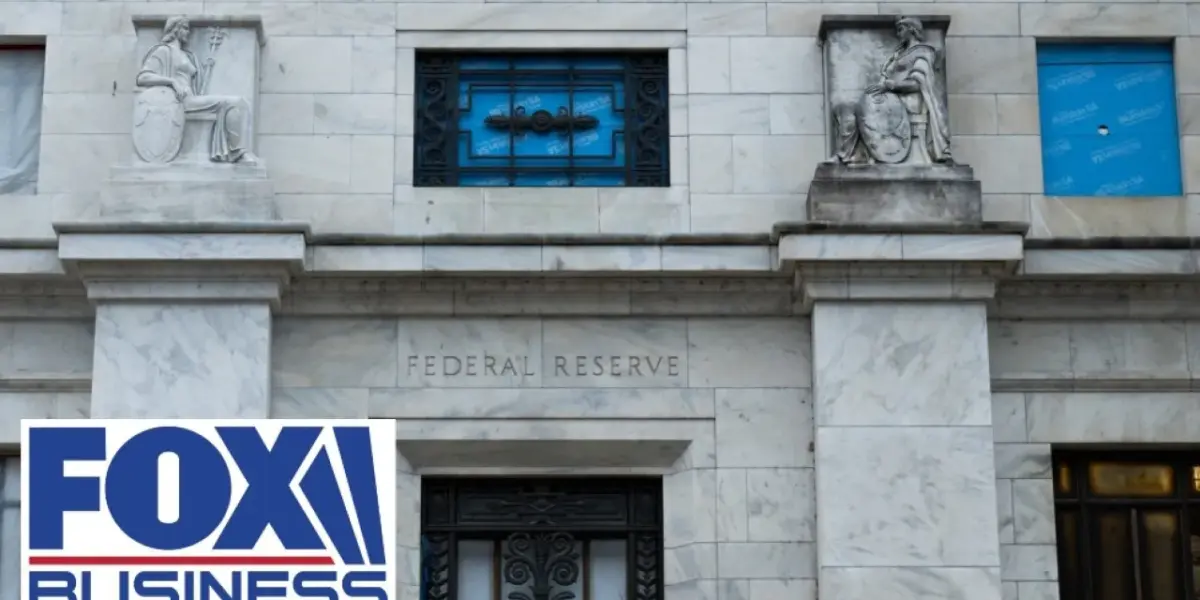
As numerous central banks prepare for upcoming meetings, a significant debate is emerging regarding the appropriate monetary policy response to recent spikes in oil prices. While some market participants and even chatter within the U.S. Federal Reserve suggest raising interest rates to combat potential inflation driven by energy costs, a prominent economist argues such a move would be a grave error.
The ‘Look Through’ Approach to Energy Shocks
Daniel, a chief economist, advocates for a ‘look through’ strategy when assessing the impact of oil price fluctuations on the broader economy. This approach, supported by academic literature, suggests that temporary energy shocks should not dictate monetary policy. “It makes no sense to hike rates or keep rates with the excuse of an oil shock because we know the oil shock is temporary and we also know what happens afterwards, geopolitical risk premium rapidly comes down,” he stated.
Hiking or maintaining elevated interest rates in response to a temporary oil price increase, according to this view, would be counterproductive. It risks damaging the very sectors of the economy that are poised to drive stronger growth, particularly small and medium-sized enterprises (SMEs). These businesses are often more sensitive to credit conditions and higher borrowing costs.
Historical Precedents and Economic Damage
The argument against rate hikes is bolstered by historical parallels. The transcript references a period in 2008 when oil prices reached $140 per barrel, only to fall significantly later. However, the negative ripple effects of the policy responses during that time, and similar situations in other economies, lingered for years. The European Union, for instance, experienced prolonged negative economic consequences from 2008 until 2012, despite an eventual decline in oil prices.
“Hiking rates because of energy shock is exceedingly damaging for the economy and it creates a second effect much more negative for the overall economy,” the economist warned. He drew a stark comparison, stating that hiking rates due to an energy shock is “as dumb as it was to cut rates in a lockdown.” This suggests that policy decisions should be grounded in a thorough understanding of the temporary versus persistent nature of economic shocks.
Private Debt: A Concern, Not a Crisis
Beyond the immediate concerns about oil prices, the discussion also touched upon the state of private debt. While acknowledged as a concern, it is not currently viewed as a systemic crisis risk. Private equity firms have increased lending to smaller businesses, some of which are facing unexpected difficulties. However, as long as overall interest rates remain in the 5-6% range, the situation is deemed manageable.
The primary risk associated with a rate hike in this environment is not a full-blown credit crisis, but rather a ‘credit crunch.’ This could limit access to credit for otherwise healthy SMEs, hindering their ability to operate and grow. Stronger private equity firms, however, are expected to weather this environment and potentially strengthen their positions.
The Fed’s Mandate and Data Independence
Looking ahead to the Federal Reserve’s upcoming decisions, the call is for the central bank to remain data-independent. The economist expressed a desire to see the Fed adhere to its dual mandate of controlling inflation and maximizing employment. Current unemployment figures, noted at 4.1%, are considered healthy, and the Fed’s own projections have indicated that employment could be even stronger.
The greatest risk, in this expert’s opinion, lies in the Fed hiking or maintaining elevated rates unnecessarily, particularly if this action coincides with significant increases in federal funding from the government. Such a scenario could lead to a situation where the Fed fails to fulfill its mandate, potentially destroying jobs and harming SMEs.
What Investors Should Know
- Temporary Shocks vs. Policy Response: Investors should be wary of central banks reacting to temporary economic factors like oil price spikes with potentially damaging policy changes.
- Impact on SMEs: A premature or unwarranted interest rate hike could disproportionately affect small and medium-sized enterprises, impacting credit availability and growth.
- Data Dependence is Key: The call for central banks, especially the Fed, to remain data-dependent is crucial. Policy decisions should be guided by comprehensive economic data rather than isolated events.
- Private Debt Landscape: While private debt is a point of attention, it is not currently seen as an immediate crisis, but a credit crunch remains a potential risk if rates rise inappropriately.
The expert hopes that instead of warning about stagflation, policymakers will recognize the risks of maintaining elevated rates without sufficient cause, thereby safeguarding the economy’s growth potential and employment levels.
Source: It makes 'ABSOLUTELY NO SENSE' for the Fed to do this, expert says (YouTube)

Related Articles
Iran Tensions Send Oil Prices Soaring; Farmers Seek Relief
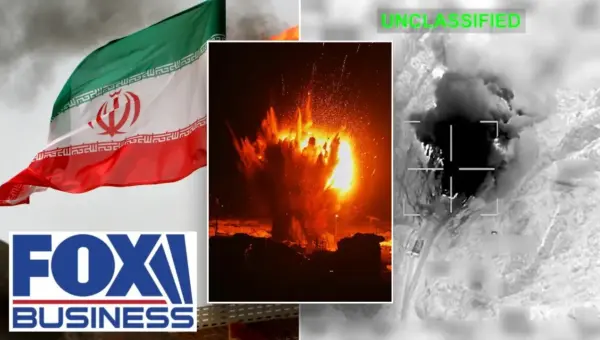
Escalating tensions with Iran are driving oil prices higher, while U.S. troop deployments to the Middle East increase. Meanwhile, American farmers are receiving relief from rising costs through regulatory changes and support measures, as devastating wildfires impact Nebraska's cattle industry.
Iran Conflict Sparks Market Volatility, Experts Weigh In
Geopolitical tensions in the Middle East have rattled global markets, with stocks falling and safe-haven assets like the U.S. dollar strengthening. Experts suggest the market may have overreacted, creating potential buying opportunities, but warn of a "bumpy journey" ahead due to infrastructure damage and potential oil shortages. Concerns also linger about the Federal Reserve's independence amidst political commentary.
Iran’s Capabilities Destroyed, Stocks to Soar: Analyst
Geopolitical analysis suggests Iran's military capabilities are nearing destruction, paving the way for U.S. control of the Strait of Hormuz. This resolution is expected to lower oil prices and significantly boost the stock market, according to market watchers.