Trump Accused of Seeking Media Control, Autocratic Power
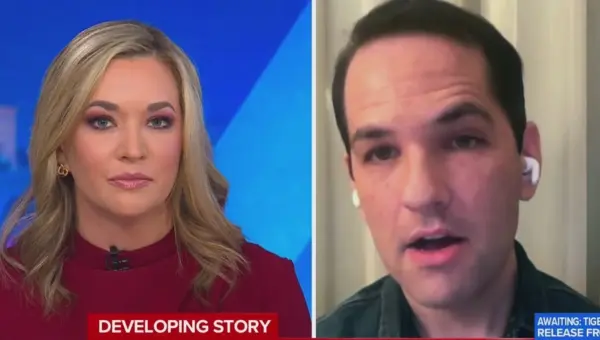
Media Matters president warns Donald Trump is seeking autocratic control over the news media, not just a propaganda win. The analysis highlights alleged exploitation of tragedy for political gain and critiques foreign policy's economic toll.

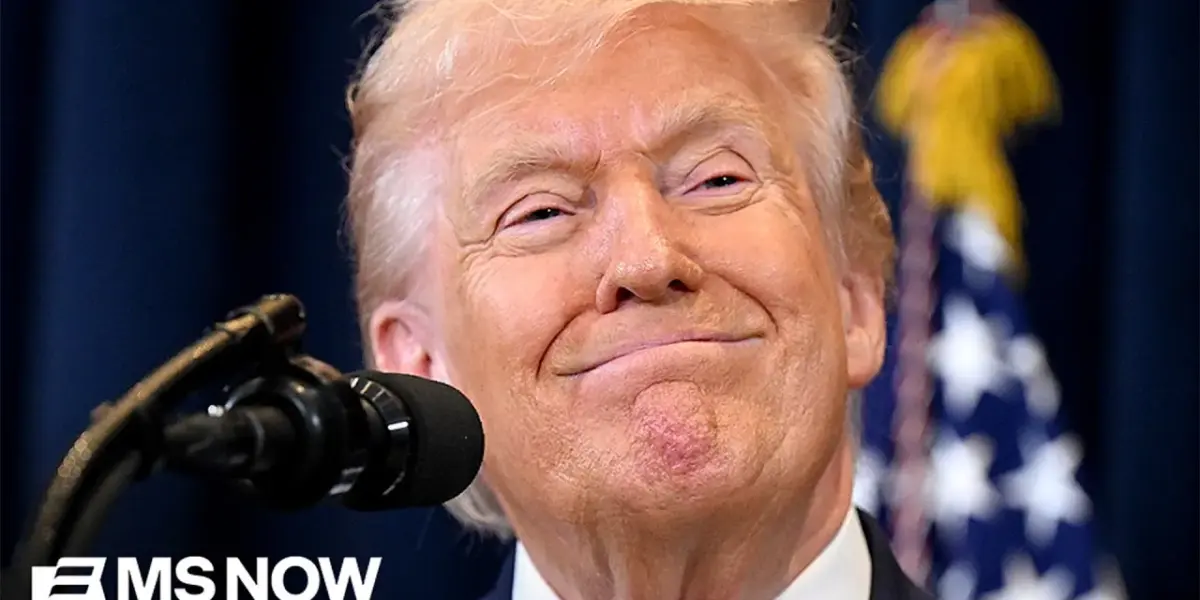
Media Matters President Sounds Alarm on Trump’s Aims
In a stark warning, the president of Media Matters has accused Donald Trump not merely of seeking to win a propaganda war, but of harboring a deeper ambition: to gain control of the entire news media. This alleged desire for media dominance is framed as a critical component of a broader autocratic agenda, aimed at consolidating power and potentially influencing future elections.
The argument posits that Trump’s strategy extends beyond shaping public opinion on specific issues, focusing instead on establishing a pervasive culture of self-censorship within the media landscape. This, the analysis suggests, is being facilitated through administrative agencies applying pressure, thereby amplifying existing threats against news organizations and journalists.
Allegations of Exploiting Tragedy for Political Gain
The transcript highlights a particularly contentious incident where Donald Trump was reportedly asked for comment on the deaths of six service members. His alleged response, as described, was dismissive, characterized by the phrase, “Go ahead, who else?” This perceived lack of empathy and engagement with the loss of American lives has drawn sharp criticism.
The article then names the fallen service members, providing their names, ages, and hometowns, to underscore the human cost of military service and to contrast with Trump’s alleged reaction. The individuals named are:
- Major John A. Kilner, 33, of Auburn, Alabama
- Captain Ariana G. Savino, 31, of Covington, Washington
- Tech Sergeant Ashley B. Pruitt, 34, of Bardstown, Kentucky
- Captain Seth R. Colville, 38, of Mooresville, Indiana
- Captain Curtis J. Anx, 30, of Wilmington, Delaware
Adding another layer of controversy, the transcript alleges that Trump’s political action committee utilized an image from a dignified transfer of U.S. service members killed in Kuwait for a fundraising email. This act is described as deeply inappropriate, exploiting a solemn occasion for political fundraising, a move unprecedented in recent presidential history.
“Just having served in administration, it is perhaps the most horrifying thing I’ve ever seen a president do. And believe me, there’s a lot of competition from this guy.”
Critique of Foreign Policy and Economic Impact
Beyond the concerns regarding media control and the handling of sensitive events, the transcript also launches a significant critique of Donald Trump’s foreign policy decisions. It is argued that Trump initiated military action against another country with inadequate preparation and without a direct attack on the United States.
This policy is presented as a primary driver of current economic hardships. The transcript links the ongoing conflict and the administration’s stance on international alliances directly to rising costs for American consumers, including increased prices for gas, clothing, and transportation. The inability to articulate clear goals for the war is cited as a major point of public frustration.
Furthermore, the policy of eschewing allies is seen as detrimental, leaving the nation without support in a complex geopolitical situation. The situation is characterized as a “disaster” with significant consequences for both national security and the economy.
Broader Implications: Autocracy and Media’s Role
The overarching concern articulated is that Donald Trump is pursuing an autocratic path, consolidating power by seeking control over the flow of information. The attacks on the news media and reporters are viewed not as isolated incidents, but as strategic moves designed to deflect from unfavorable facts and narratives.
The transcript suggests that Trump’s administration is actively working to create an environment where critical reporting is stifled, and public discourse is manipulated. This alleged effort to control the narrative is seen as a fundamental threat to democratic principles, as it undermines the media’s role as a check on power and an informed source for the public.
Looking Ahead
The ongoing discourse surrounding Donald Trump’s relationship with the media and his broader political strategy remains a critical area to monitor. Future developments will likely involve continued scrutiny of his administration’s communication tactics, its foreign policy decisions, and the public’s response to these challenges. The integrity of news reporting and the public’s access to factual information will be central to these ongoing debates.
Source: Media Matters president warns: Trump an 'autocrat' seeking control of the news media (YouTube)

Related Articles
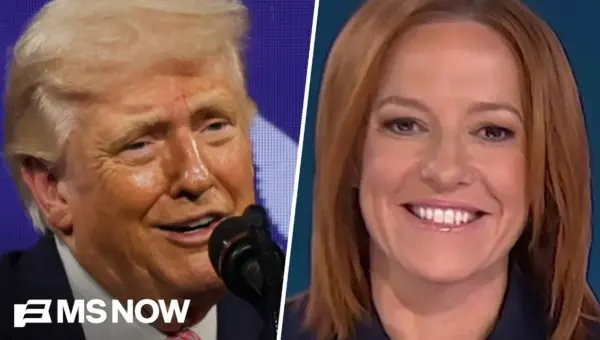
CPAC Crowd Cheers Impeachment, Stuns Trump Allies
At the recent CPAC conference in Texas, attendees surprised many by cheering for impeachment hearings, signaling potential divisions within the conservative base. The event also highlighted voter frustration over issues like ongoing wars and affordability, with some considering not voting.
Protesters Challenge Presidential Power, Ignite Debate
Millions are protesting nationwide under the "No Kings" banner, challenging presidential authority and policies they deem unconstitutional. Organizers emphasize First Amendment rights while debating foreign policy, immigration, and the balance of power.
Polls Spell Doom: Republicans Face Voter Backlash
New polling data reveals a sharp decline in public confidence regarding the economic impact of Republican policies, particularly under Donald Trump. A significant majority now feel financially worse off, a trend that is especially pronounced among independent voters. This economic discontent poses a major challenge for the Republican party heading into future elections.