Middle East Air Travel Disrupted by Escalating Conflicts
Thousands of flights have been canceled worldwide due to escalating conflicts in the Middle East, with major airports like Dubai and Beirut facing severe disruptions. The ongoing tensions have led to significant challenges for air travel, impacting global connectivity and passenger movement.

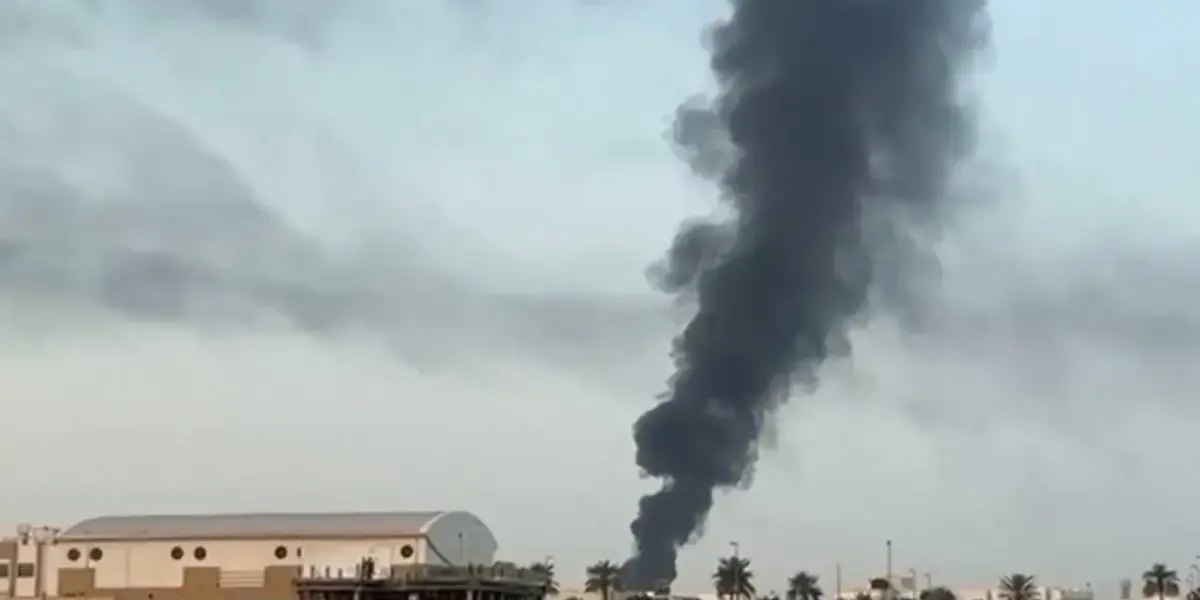
Thousands of Flights Canceled as Regional Tensions Threaten Global Air Travel
BEIRUT, LEBANON – The ongoing conflict in the Middle East has severely impacted global air travel, with thousands of flights canceled and major airports facing disruptions. A recent Iranian drone strike near Dubai International Airport, the world’s busiest international hub, underscores the escalating threat to civilian infrastructure and the delicate balance of regional stability. This incident is one of several attacks that have occurred since the war began, with Iran citing the UAE’s hosting of U.S. troops as a primary reason for its actions. Simultaneously, Israel has conducted repeated strikes on Iran’s main domestic airport, which it claims is being used by Iran’s Revolutionary Guard.
Kuwait Airport Experiences Structural Collapse Amidst Chaos
Adding to the growing list of aviation-related incidents, a section of the terminal ceiling at an airport in Kuwait collapsed, further contributing to the widespread disruption. The combined effect of these events has led to the most significant global air travel disruption since the COVID-19 pandemic, affecting tens of thousands of flights and leaving passengers stranded worldwide.
Beirut Airport Operates Under Threat of Airstrikes
In Beirut, Lebanon, flights continue to operate amidst visible signs of conflict. Israel has been conducting intensive airstrikes targeting what it identifies as Hezbollah strongholds in the southern suburbs, areas located in close proximity to Beirut-Rafic Hariri International Airport. During a recent journey, observers noted that the city’s southern suburbs were clearly visible from the air as the plane approached for landing. Minutes after touchdown, sounds of strikes could be heard, with Israeli forces targeting an area less than a mile from the airport premises.
Navigating the Danger Zone
Despite the palpable danger, the airport remains operational. Lebanon’s Transport Minister, Fayez Al-Hajjar, described the immense challenges of keeping an international airport open when bombs are falling nearby. He recounted an incident where a Middle East Airlines flight from Paris was forced to circle for 40 minutes due to the presence of fighter jets in the area. “It’s very difficult, very complicated,” Al-Hajjar stated. “You have a bit of supply of fuel, but you need to take a decision fast. Should I go to Cyprus? Should I wait and land?” The pilot in question ultimately made the decision to land in Beirut after a prolonged period of uncertainty, a testament to the difficult choices faced by aviation authorities in the region.
Historical Precedents and Diplomatic Assurances
Lebanon’s sole international airport has a history of being targeted. In 2006, during a previous conflict with Hezbollah, Israel directly struck the airport. When questioned about assurances regarding the airport’s safety, the Transport Minister confirmed that the United States has provided assurances, and he is in direct contact with the American Ambassador. This diplomatic engagement highlights the international community’s awareness and concern over the potential for further escalation and its impact on civilian infrastructure.
Passenger Resilience Amidst Conflict
Despite the proximity of airstrikes, Lebanese passengers arriving in Beirut displayed a remarkable sense of calm, with many appearing unfazed by the recent aerial activity. “We just saw an airstrike,” one passenger remarked, yet expressed no significant worry. “We are used to it,” another added, indicating a level of desensitization to the ongoing conflict that has become a part of daily life.
Global Ramifications of Regional Instability
The disruption to air traffic extends far beyond the immediate region. Air traffic in the Gulf has reportedly decreased by approximately 75% compared to pre-war levels. However, the impact is felt globally, particularly on routes connecting the U.S. to Asia. Many flights from the United States to Asian destinations, such as the New York to Bangkok route, often transit through Dubai. The cancellation of these flights directly affects a significant number of international travelers, leading to widespread inconvenience and economic repercussions.
Looking Ahead: The Future of Air Travel in the Middle East
As the geopolitical situation in the Middle East remains volatile, the future of air travel in the region hangs in the balance. The continued threat of strikes, the operational challenges faced by airports, and the cascading effect on global flight schedules necessitate close monitoring. Diplomatic efforts to de-escalate tensions and ensure the safety of civilian infrastructure will be crucial in restoring confidence and stability to international air travel routes that are vital to the global economy.
Source: Thousands of flights cancelled amid strikes in Middle East (YouTube)

Related Articles
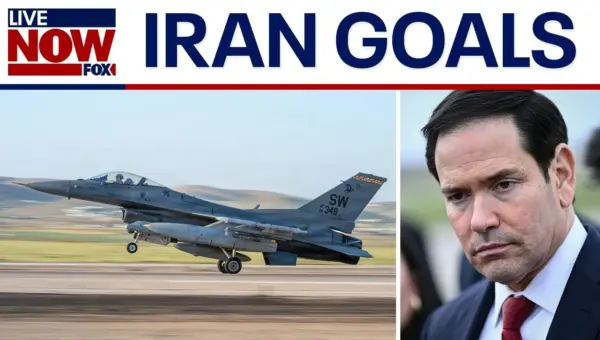
Rubio: US Can Achieve Iran War Goals Without Troops
Senator Marco Rubio outlined a strategy to counter Iran without deploying U.S. ground troops, focusing on weakening the regime and enhancing maritime security. He also criticized Cuba's economic system and expressed concerns about West Bank violence.


Trump Critical of NATO as Iran Conflict Escalates
President Trump voiced frustration with NATO's lack of involvement in the Iran conflict while the U.S. military prepares for a sustained campaign. Reports indicate significant damage to Iran's military, but tensions remain high with ongoing missile strikes and a recent attack on a Saudi air base wounding U.S. personnel.

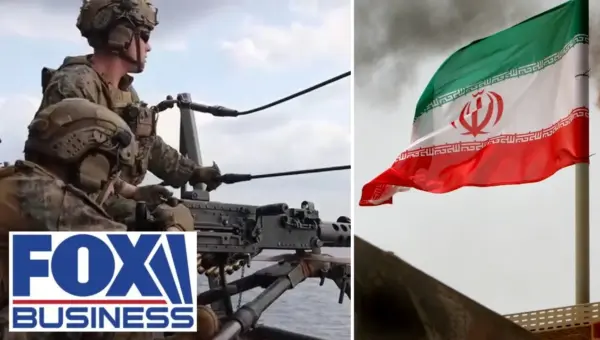
Pentagon Weighs 10,000 Troops for Iran Showdown
The Pentagon is reportedly weighing a significant troop increase of 10,000 soldiers to the Middle East, potentially escalating tensions with Iran. This move comes amid reports of U.S. precision strikes and interceptions of Iranian missiles by allies, raising concerns about regional stability and global oil supplies.