US Allies Balk at Strait of Hormuz Mission Amid Tensions
U.S. allies are hesitant to join President Trump's call for a naval mission in the Strait of Hormuz, citing concerns over escalating tensions with Iran and the effectiveness of drone warfare. Meanwhile, the ongoing government shutdown is causing severe disruptions at TSA checkpoints nationwide, and the country is battling extreme weather events.


US Allies Hesitate on Hormuz Patrols Amid Escalating Iran Tensions
In a high-stakes diplomatic maneuver, President Trump has called upon U.S. allies to deploy warships to escort oil tankers through the critical Strait of Hormuz. The initiative, framed as a measure to protect global oil supplies, has been met with a notably lukewarm response from key international partners, raising questions about the strength of American alliances and the administration’s strategy in the volatile Middle East. This behind-the-scenes look reveals the complex geopolitical calculus at play, as allies express a distinct lack of enthusiasm for a mission that could entangle them further in regional conflicts.
Assessing the Iranian Threat: Drones and Blockades
The urgency behind the U.S. call for allied support stems from Iran’s increasing assertiveness in the Strait of Hormuz, a vital chokepoint for global energy transport. An NBC investigation highlights concerns about Iran’s development of cheap yet effective drone technology, which is reportedly transforming the battlefield and posing a significant threat to naval operations. These drones, coupled with the potential for Iran to disrupt shipping through blockades, underscore the perceived need for a robust international naval presence.
“We don’t need anybody. We’re the strongest nation in the world. I’m almost doing it in some cases not because we need them, but because I want to find out how they react.”
President Trump (as quoted in the transcript)
President Trump’s rhetoric suggests a dual purpose for the proposed mission: not only to safeguard oil flows but also to gauge the commitment and reaction of U.S. allies. This approach has evidently left many partners unconvinced, with some, like a top German official, stating, “this is not our war.” Similarly, a senior European Union diplomat noted virtually no appetite for escorting ships through the Strait.
Geopolitical Implications and Diplomatic Hurdles
The Strait of Hormuz, through which approximately 20% of the world’s oil passes, is a critical artery for global supply chains, though the U.S. itself imports relatively little oil directly from the region. The strategic importance of the waterway, however, makes any disruption a matter of global concern. Richard Engel, NBC News chief foreign correspondent, provided insights from Israel, discussing the complexities of mine threats and the evolving nature of naval warfare. He pointed out that modern warfare, particularly with drones, allows for greater stealth and range, making traditional defense strategies less effective.
The Drone Warfare Dilemma
Engel elaborated on the challenges posed by Iranian drones, explaining that their deployment is not limited to direct confrontation. Drones can be launched from various locations, including by proxy militias, and can travel significant distances. This adaptability makes them a persistent threat, capable of driving up the costs and risks associated with maritime transit. He also touched upon the intricate diplomatic landscape, noting that Iran may be selective in its attacks to avoid alienating key partners like China.
Uncertainty in Negotiations and Leadership
Adding to the complexity, President Trump has expressed uncertainty about who to negotiate with in Iran, citing the elimination of leadership figures. This ambiguity complicates diplomatic efforts and fuels speculation about the long-term stability of any potential agreements. Richard Engel confirmed that negotiations were indeed underway prior to recent escalations, with Oman mediating between the U.S. and Iran. However, these talks reportedly stalled following an intelligence opportunity that led to a preemptive strike, killing key Iranian figures.
Domestic Disruptions: Government Shutdown and TSA Woes
Beyond the international tensions, the United States is grappling with significant domestic challenges. The partial government shutdown, now in its fifth week, has had a profound impact on federal workers, particularly those at the Transportation Security Administration (TSA). With unpaid workers quitting in large numbers and call-out rates soaring, the shutdown is leading to exceptionally long lines at airports nationwide. Statistics reveal a dramatic increase in TSA officers calling out sick, with rates as high as 21% in some major airports, compared to the usual 2%. This has prompted airline CEOs to urge an end to the shutdown, emphasizing the disruption to passengers and essential workers.
Severe Weather Batters the Nation
The country is also contending with severe weather events across various regions. The Midwest is experiencing record-breaking snowfall, with some areas receiving over three feet of snow, causing widespread travel disruptions and forcing emergency responses. Meanwhile, the East Coast is facing a rare risk of tornadoes, with high winds downing trees and causing power outages. The chaotic weather conditions, including blizzards, high winds, and even a rare snowstorm in Alabama, are exacerbating existing challenges and highlighting the nation’s vulnerability to extreme weather phenomena.
Looking Ahead: The Path Forward
As the situation in the Strait of Hormuz remains tense and diplomatic efforts appear stalled, the international community watches closely. The reluctance of U.S. allies to join the proposed naval coalition raises significant questions about the effectiveness of the U.S. strategy and the future of its alliances. Domestically, the ongoing government shutdown and its cascading effects on essential services like air travel continue to be a major concern. The confluence of international conflict, domestic instability, and extreme weather underscores a period of significant challenge for the United States.
Source: Stay Tuned NOW Streaming Behind The Scenes! – March 16 (YouTube)

Related Articles


Trump’s Iran Claims: Shocked or Deluded by War Games?
Donald Trump claimed surprise over Iran's actions in the Strait of Hormuz, but experts suggest retaliation was inevitable. Military war games likely predicted such a scenario, raising questions about the advice given to the President.

U.S. Iran Tensions Rise Amid Shifting Alliances
Rising tensions between the U.S. and Iran are creating a volatile geopolitical situation. With conflicting signals on de-escalation and potential shifts in alliances like NATO and U.S.-Israel relations, the path forward remains uncertain. The global economy and regional stability hang in the balance.
TSA Staff Cuts Create Airport Chaos for Travelers
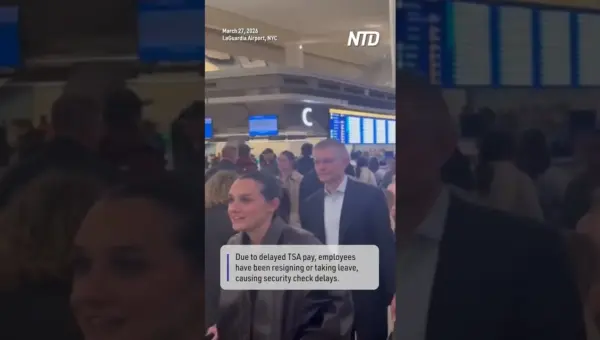
Recent TSA agent shortages, fueled by a government shutdown and delayed pay, have caused significant delays and long security lines at major airports. This situation highlights the critical role of TSA staff and the impact of funding issues on essential services.