Iran War: Regime Opponents Hemmed In Amidst Conflict
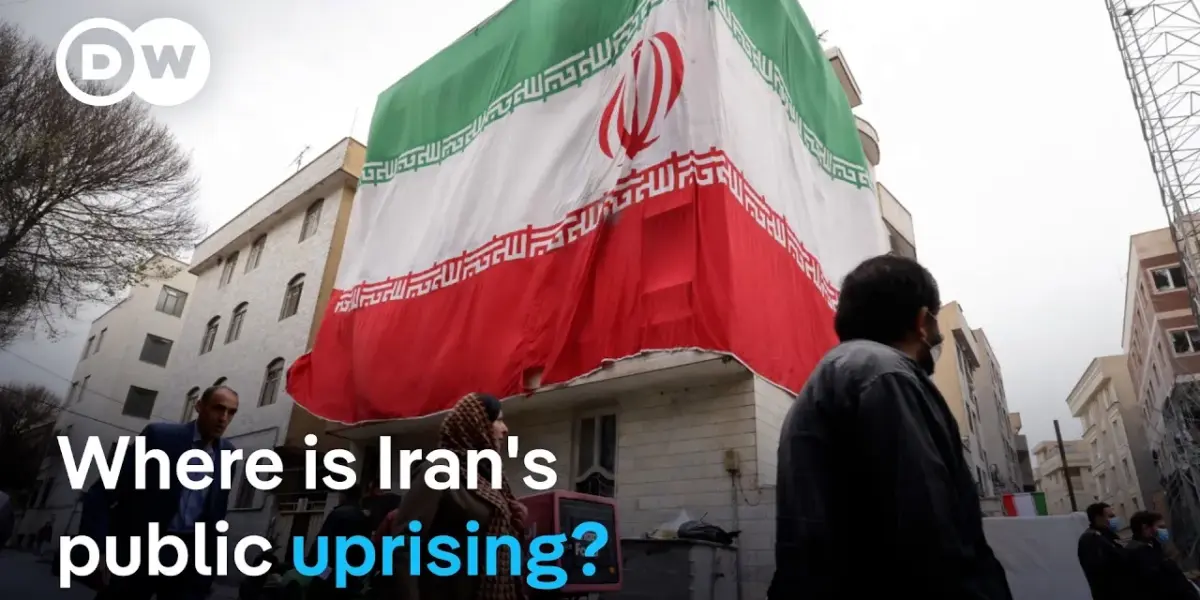
The U.S.-Israeli war in Iran has intensified the struggle against the ruling regime, creating a complex environment for its opponents. While military strikes aim to degrade Iran's capabilities, the conflict has also hemmed in domestic dissent and raised questions about the long-term political endgame.

Iran War Intensifies Internal Struggle
The ongoing conflict involving the U.S. and Israel has significantly impacted the internal political landscape of Iran, creating a complex environment for regime opponents. While the war aims to diminish the Islamic Republic’s military capabilities, it has also inadvertently constrained the actions and influence of those seeking change from within and outside the country. The situation raises critical questions about the potential outcomes of the conflict and its long-term implications for Iran’s future.
Assessing the War’s Beneficiary
The ultimate beneficiary of the current violence remains contingent on the conflict’s resolution. Senior lecturer in Modern Middle Eastern History at the University of St. Andrews, Savvos Ranbar Damy, suggests that if the Islamic Republic survives and a ceasefire is reached, the situation might revert to a state of unresolved economic and political issues, with the regime potentially maintaining a fragile upper hand in security and street control. However, he cautions that severe political crises could still emerge.
Official reports indicate significant military action, with U.S. President Donald Trump claiming to have struck over 7,000 military targets, drastically reducing Iran’s missile and drone capabilities. Footage circulating on social media depicted smoke rising over Tehran. Iran’s ambassador to the United Nations stated that the war had resulted in over 1,300 deaths and 7,000 injuries.
Gauging Public Sentiment Amidst Blackouts
The internet blackout imposed by the Iranian regime complicates efforts to gauge public sentiment. Information is primarily gathered through social media platforms like Telegram, Twitter, and Instagram, though this represents a fraction of normal communication. Insights are also derived from contacts within the country, providing a sense of prevailing moods and trends within Iranian society.
Opposition Divided on External Intervention
The period preceding the U.S. military intervention saw a segment of the opposition, particularly radical groups led by figures like Reza, openly supporting foreign intervention and war as a means to end the Islamic Republic. These groups believed President Trump would fulfill pledges of assistance. In contrast, domestic opposition, including civil society figures like Nobel laureate Narges Mohammadi and dissidents such as Mostafa Tajzadeh, has historically not favored armed confrontation. Despite moving beyond reformism in recent years, these groups advocate for a transition away from the Islamic Republic through political processes, not foreign military action.
“External military action does not provide accountability, nor does it bring meaningful change. Instead, it risks intensifying domestic repression by a state that routinely resorts to repressive measures to suppress its own people and to suppress dissent.” – Chair of the UN’s Iran Fact-Finding Mission
The UN official’s statement highlights concerns that external military action could be used by the state to escalate repression against its own citizens and dissenters.
Limited Success of Past Uprisings
Historically, popular uprisings alone have not led to regime change in the Middle East. Current observations, despite internet restrictions, suggest a lack of widespread enthusiasm for such events within Iran. This enthusiasm appears to be cooling as civilian casualties mount and the extent of the conflict’s impact on civilian life becomes more apparent. Strikes on residential areas, resulting in civilian deaths, have evoked strong emotional responses and highlighted that the conflict extends beyond targeted strikes against regime objectives.
Regime’s Grip Pre-Conflict
Prior to the conflict’s onset, there were signs of renewed protests, particularly on university campuses, with both monarchist and anti-monarchist students expressing opposition to the establishment. However, the prevailing sentiment is that during wartime, political discourse often falls silent. The resumption of non-violent challenges to the Islamic Republic, as advocated by civil society and some student groups, is contingent on the war’s end and the restoration of a conducive environment for such activities.
Evolution of Protests: From Reform to Rejection
Protests in Iran have evolved over the years. The 2009 Green Movement primarily sought reforms within the existing system, while the 2022 anti-hijab movement was a civil society rejection of compulsory hijab. The protests observed in early 2026, however, demonstrated a clear intent from both monarchist and non-monarchist factions to dismantle the Islamic Republic entirely. These movements, particularly those resuming on university campuses, called for a transition away from the current system, often through mediated processes and constituent assemblies, eschewing foreign military intervention.
Economic Deterioration Fuels Anti-System Sentiment
The hardening nature of life in Iran, marked by a sharp economic downturn and growing international isolation over the past decade, has fueled anti-system sentiment. Deteriorating economic conditions, coupled with limited opportunities for younger generations and political strictures following the U.S. withdrawal from the nuclear deal, have eroded expectations. The inability of successive administrations to effectively address the economic decline has contributed to widespread disillusionment with the Islamic Republic as a whole.
External Hope for Uprising Unmet
U.S. and Israeli leaders had expressed hopes of leveraging internal discontent to foster an uprising. Israeli Prime Minister Benjamin Netanyahu, in February, urged Iranians to “take your fate into your own hands,” suggesting that international forces were coming to their aid to help them “cast off the yoke of this murderous regime.” However, approximately two weeks into the conflict, these widespread uprisings have not materialized. Experts suggest that the current tactics may indicate a focus on regime destruction rather than a clear plan for regime change, with uncertainty surrounding the extent of support for potential alternatives like Reza Pahlavi.
Strategic Ambiguity and Political Endgame
The lack of a clear political plan or a visible alternative leadership emerging from the conflict has raised questions about the strategic endgame of the U.S. and Israel. While military and intelligence superiority were evident in the initial stages, this has not translated into a clear political roadmap. The extensive bombing campaigns, with Tehran’s mayor reporting over 10,000 sites hit in the capital alone, have not been accompanied by a viable political alternative ready for implementation.
Limited Connection with Opposition Forces
There appears to be a limited connection between the U.S. and Israel and the primary internal opposition forces within Iran. Figures like Mostafa Tajzadeh and Narges Mohammadi, imprisoned under harsh conditions, are not seen as having ties to Israel or supportive of its policies. While Reza Pahlavi has visited Israel and spoken appreciatively of Israeli and U.S. efforts, public statements from U.S. President Trump have only mentioned him once, referencing a preference for a “Venezuela-like solution” involving internal negotiation. Israel’s support for Pahlavi has not been publicly emphasized.
Reza Pahlavi as a Potential Rallying Point?
Reza Pahlavi, son of the former Shah, has emerged as a polarizing but attention-grabbing figure, particularly among the Iranian diaspora. Rallies in his support have been held in major Western cities. While he has garnered some support within Iran, the extent to which this translates into a mass movement remains uncertain. His past harsh remarks towards certain Kurdish parties and perceived authoritarian tendencies in his provisional program have raised questions about his broader appeal. Although he has initiated efforts like establishing a committee for transitional justice, the mandate of these initiatives within Iranian society is unclear.
Regime Weakened but Not Defeated
Despite U.S. President Trump’s assertions that the regime is finished, the Islamic Republic remains in control, albeit weakened by the conflict. The emergence of a new Supreme Leader, whose public appearances have been limited to written statements, leaves many uncertainties about his political stance and the future direction of the country. While a recent decree confirmed his father’s appointees, it remains unclear whether this signifies continuity or a prelude to change.
The underlying political, social, and economic issues that fueled pre-conflict protests have been amplified by the war, with inflation and exchange rates rising. Even if the Islamic Republic weathers the immediate storm, its long-term prospects appear bleak. The regime’s previous entrenchment on issues like the nuclear program, despite calls for a different approach after the 2025 conflict, contributed to the current crisis, indicating that significant internal and external challenges will persist.
Rallying Around the Flag
The conflict has predictably generated nationalist sentiment, rallying loyalists to the cause. Decades of warnings from former Supreme Leader Ayatollah Khamenei about the plots of “the Great Satan” (America) and Israel have resonated with many followers, who now feel vindicated. This rallying effect is most pronounced among the substantial minority of the Iranian population that remains firmly loyal to the Islamic Republic, driven by both ideological conviction and material benefits derived from the system’s patronage networks.
This loyalist segment, including elements of the security apparatus and a broad civilian base that has benefited from the regime, faces a stark choice: survival within the existing system. Unlike some elites in other conflict zones, they are unlikely to seek exile, demonstrating a commitment to resist challenges to preserve the system. The ongoing conflict has invigorated these factors, with armed supporters participating in neighborhood gatherings and resistance ceremonies, underscoring a deep ideological and practical commitment to defend the Islamic Republic.
Information Control and Alternative Narratives
In response to the conflict, Iran has imposed severe internet restrictions, ostensibly for security reasons, though less extreme than during the January protests. Whitelisted connections provide pro-regime influencers and media with access, disseminating narratives sympathetic to the government. Simultaneously, citizen journalists risk severe penalties to share footage and images of bombings, offering glimpses into the conflict’s extent through social media.
Exile media, including shortwave and medium-wave radio broadcasts, have become crucial sources of information. While outlets like Iran International present a more partisan view, others like BBC Persian strive for objectivity. These alternative sources provide a counter-narrative to state-controlled media, which is widely viewed with skepticism by the Iranian populace. The influence of exile media, which often amplifies opposition voices, including those of Reza Pahlavi, remains significant.
Future Outlook
The war’s continuation presents a precarious situation for both the Iranian regime and its opponents. While the regime may find temporary consolidation through nationalist sentiment and control over information, the underlying economic and political pressures persist. The international community and internal opposition groups will continue to watch for signs of a viable political alternative and the potential for a genuine transition, should the conflict’s trajectory shift.
Source: How the war in Iran is hemming in regime opponents | DW News (YouTube)

Related Articles
U.S. Iran Tensions Rise Amid Shifting Alliances
Rising tensions between the U.S. and Iran are creating a volatile geopolitical situation. With conflicting signals on de-escalation and potential shifts in alliances like NATO and U.S.-Israel relations, the path forward remains uncertain. The global economy and regional stability hang in the balance.


Iran Targets US With Cyberattacks, Escalating Digital Warfare
Iran is increasingly using cyberattacks to challenge the U.S., as seen in a recent hack of the FBI director's account. Experts say this is a strategic shift due to Iran's limitations in conventional warfare. The U.S. needs to strengthen its digital defenses, focusing on encryption and cloud computing, rather than solely relying on traditional security measures.
Ukraine Strikes Russian Oil Refinery, Eyes Iran Threat
Ukrainian forces struck a key Russian oil refinery, disrupting Moscow's war capabilities. Meanwhile, Finland's president urged continued U.S. support for Ukraine, as Kyiv shares its air defense expertise globally amid growing geopolitical complexities involving Iran and potential sanctions against Hungary.