Utah Woman Guilty of Husband’s Murder for Financial Gain
A Utah jury found Kouri Richins guilty of aggravated murder, attempted aggravated murder, insurance fraud, and forgery in the poisoning death of her husband, Eric Richins. The verdict centered on a motive of financial gain, despite a lack of direct physical evidence of the murder weapon.

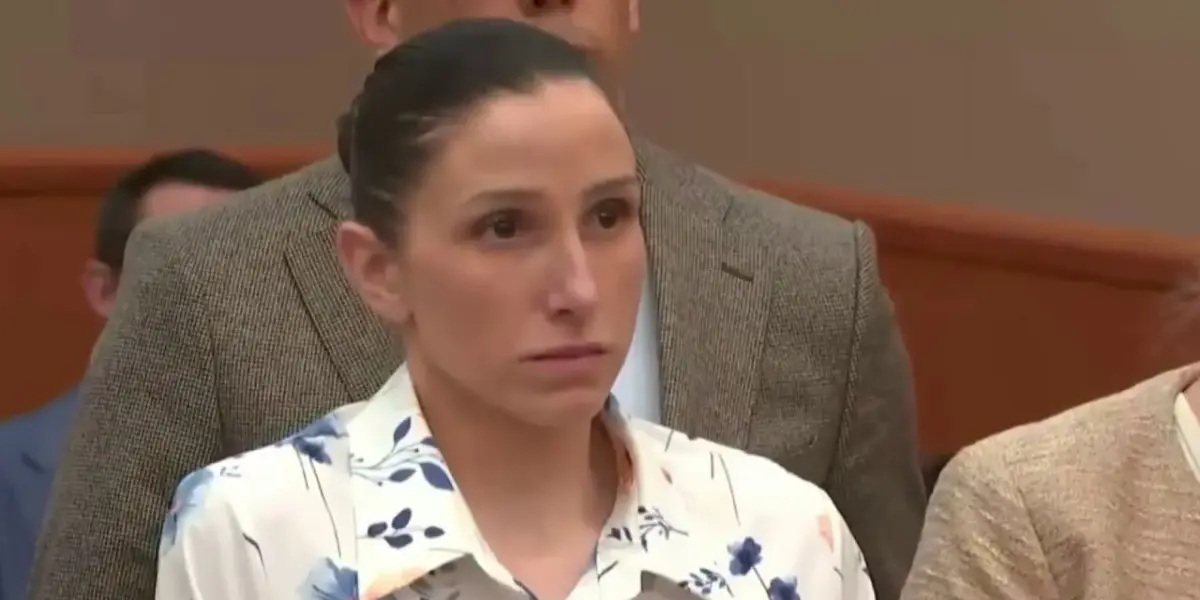
Kouri Richins Convicted on All Counts in Husband’s Poisoning Death
Orem, Utah – A Utah jury has found Kouri Richins guilty on all charges, including aggravated murder, in the poisoning death of her husband, Eric Richins. The unanimous verdict, delivered after a trial that concluded significantly ahead of schedule, found Richins responsible for intentionally killing her husband for financial gain and also convicted her on charges of attempted aggravated murder, insurance fraud, and forgery. The ruling brings a swift conclusion to a case that captivated attention, partly due to Richins’s prior publication of a children’s book on grief.
A Scheme for Financial Gain
Prosecutors meticulously built a case arguing that Kouri Richins administered a lethal dose of fentanyl to her husband, Eric Richins, on March 4, 2022. The jury’s verdict affirmed the prosecution’s central argument: the homicide was committed for pecuniary gain. Evidence presented during the trial highlighted Richins’s dire financial situation. Despite her real estate ventures and attempts to flip homes, she was reportedly losing money, facing debt, and overdrawing her bank accounts. The prosecution contended that her motive was to access substantial life insurance payouts following her husband’s death.
The jury’s finding on aggravated murder and attempted aggravated murder was supported by the circumstances of the homicide and attempted homicide being committed for financial gain. This element was crucial for the prosecution, particularly given the lack of direct physical evidence of how the fentanyl entered Eric Richins’s system. Prosecutors theorized that Richins likely mixed the fatal dose into a cocktail, possibly a Moscow Mule or a Lemon Drop, at their home. Although the actual Moscow Mule cups or any remaining beverage could not be tested, the jury found this explanation credible.
Insurance Fraud and Forgery Charges
In addition to the murder charge, Richins was found guilty on two counts of insurance fraud and one count of forgery. The prosecution presented evidence that Richins had taken out life insurance policies on her husband and attempted to alter beneficiary information to ensure she would receive the funds. The forgery charge stemmed from her alleged attempts to sign documents related to these insurance policies to facilitate the financial transactions.
A significant aspect of the financial motive involved a trust that Eric Richins had established. He had placed his assets, including properties, into a trust, with his sister managing it. This arrangement meant that upon his death, Kouri Richins would not have immediate access to his considerable wealth. The prosecution argued that Richins was unaware of the full extent of these trust arrangements and, after her husband’s death, filed a civil lawsuit against his sister and the trust in an attempt to gain control of the assets. This legal battle, along with the alleged insurance fraud, painted a picture of a desperate financial strategy.
The Children’s Book and Public Perception
The case gained widespread public attention, partly due to Kouri Richins’s publication of a children’s book titled “Are You With Me?” about grief, released around the time of her husband’s death and her subsequent arrest. During the trial, it was revealed that Richins had hired a ghostwriter to pen the book. The prosecution argued that this was a calculated move to maintain an image of success and to generate income, as she stood to earn royalties from book sales.
Furthermore, the prosecution used the book’s publication and Richins’s subsequent media appearances to discuss it as evidence of her character and attempts to cover her tracks. They suggested that she published the book and promoted it publicly as authorities began to close in on her, using it as a tool to control the narrative. However, this strategy ultimately backfired, with the prosecution leveraging these actions against her.
Trial Dynamics and Verdict
The trial, initially expected to last five weeks, concluded in approximately three weeks. A key factor in its swift conclusion was the defense’s decision not to call any witnesses and Kouri Richins’s choice not to testify. The defense team had reportedly argued that the prosecution lacked sufficient evidence, particularly the absence of the physical fentanyl pills or definitive proof of how they were administered.
However, the prosecution’s strategy centered on establishing a strong motive. Legal analysts noted that in cases lacking direct physical evidence of the murder weapon or method, motive becomes paramount. The jury heard from Richins through bodycam footage from the night of Eric Richins’s death and her 9-1-1 call, allowing them to assess her demeanor and credibility without her taking the stand. The prosecution contrasted her reactions with the profound grief displayed by Eric Richins’s sister, highlighting a perceived lack of genuine sorrow on Richins’s part.
“The prosecution’s case was focused on motive, and that’s why, in my view, this was going to be all or nothing… It all fit into the prosecution’s narrative that she was in financial disarray… It was a premeditated murder. That’s the prosecution’s case.” – Misty Marris, NBC Legal Analyst
Sentencing and Future Implications
Kouri Richins faces a sentence of life without parole. While the prosecution had the option to seek the death penalty, they reportedly chose not to pursue it. The conviction on the aggravated murder charge carries this severe penalty. The additional convictions for insurance fraud and forgery suggest potential further legal entanglements, as the transcript indicated other financial crime charges may be pending or were part of the broader investigation.
The verdict underscores the power of circumstantial evidence and motive in criminal prosecutions, especially when direct physical proof is elusive. The case also serves as a cautionary tale about the potential consequences of alleged financial desperation and the scrutiny that can accompany public-facing actions like publishing a book during a criminal investigation.
What’s Next
With the guilty verdict delivered, the focus now shifts to the sentencing phase for Kouri Richins. The legal community and the public will be watching to see if any further financial charges are pursued and how the full scope of her alleged financial crimes will be addressed. The case highlights the intricate interplay between financial motives, personal relationships, and the pursuit of justice.
Source: Utah jury finds Kouri Richins guilty on all charges in husband’s murder (YouTube)

Related Articles


Kouri Richins Convicted of Murder in Husband’s Poisoning Death
Kouri Richins has been found guilty of aggravated murder and insurance fraud in the poisoning death of her husband, Eric Richens. A jury unanimously convicted Richins, citing financial motives and the administration of a lethal substance. The verdict concludes a high-profile trial focused on alleged deception and murder for pecuniary gain.


Pentagon Chief Blocks Black, Female Officers’ Promotions
Pentagon chief Pete Hegseth is reportedly blocking the promotions of four Army officers, two Black and two women, to one-star general. This decision follows reports of alleged discriminatory remarks made by a top aide to Secretary Hegseth regarding President Trump's comfort standing with Black female officers.


G7 Allies Clash Over Iran War Strategy, Urge Focus on Russia
G7 foreign ministers met in Paris, revealing deep divisions over the U.S. war with Iran. European allies urged the U.S. to pressure Russia, linking its actions to the conflict and fearing support for Ukraine will wane.