Germany Weighs Iran War Stance Amid Shifting Alliances
German Chancellor Friedrich Merz is navigating a complex stance on the Iran conflict, balancing solidarity with the US and Israel against domestic legal and strategic concerns. Growing public apprehension and coalition dissent highlight the challenges Germany faces in its foreign policy and economic stability.

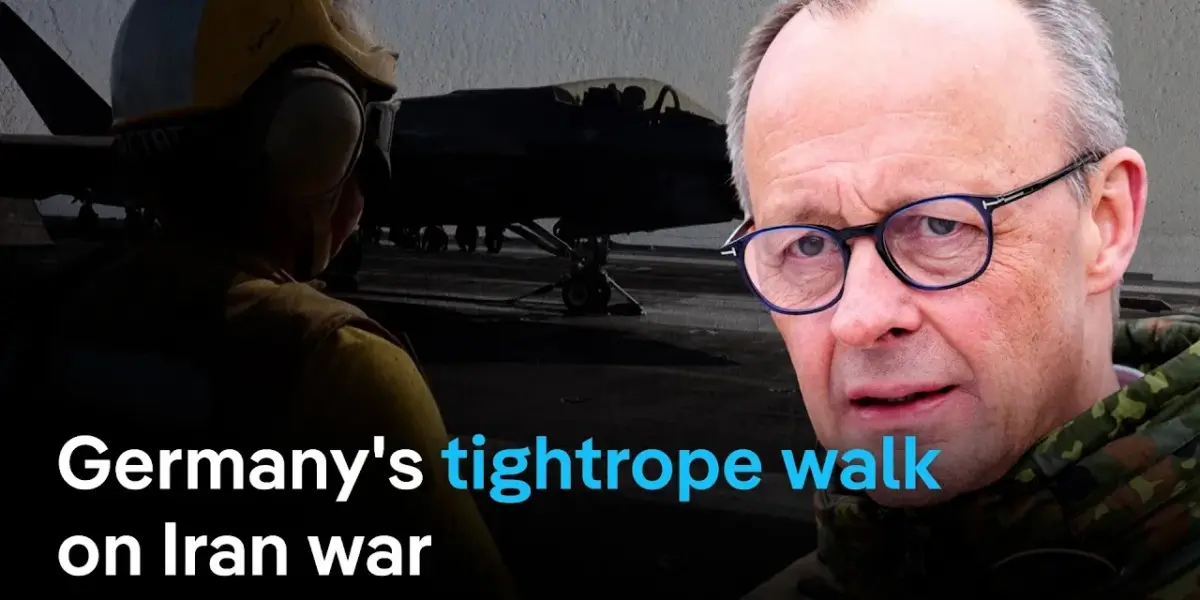
Germany Navigates Complex Position on Iran Conflict
Berlin, Germany – German Chancellor Friedrich Merz finds himself in a precarious balancing act regarding the escalating conflict involving Iran, attempting to reconcile solidarity with key allies like the United States and Israel with growing domestic concerns and legal quandaries. Initially aligning with Washington and Tel Aviv, Merz has since articulated a more nuanced position, marked by a cautious approach to the legality of military actions and a pressing need for clear exit strategies.
Merz’s Evolving Stance: From Solidarity to Skepticism
In his initial public remarks following the strikes, Chancellor Merz expressed a shared interest with the United States and Israel in halting Iran’s “dangerous nuclear and ballistic program” and ending the “regime’s terror.” He characterized the military strikes as an effort to conclude the “destructive game of a weakened regime.” However, Merz also voiced apprehension about potential escalations, stating, “We do not know what kind of escalation the harsh Iranian retaliatory strikes may still drag the region into.” When pressed on the legality of the actions, Merz notably refrained from offering a judgment, a stance that drew sharp criticism.
“The statement by the Bundes counselor was shocking to be honest because he said that um he refrains from a legal assessment because it would be without implication or consequences. The reason why Israel and the United States have been able to breach international law without consequences is um partly that states like Germany don’t find it in themselves to actually stand up for international law and even name these violations as violations and then stand together to impose sanctions on the violator of international law. So this is a self-fulfilling prophecy.”
– Janina Dill, Co-Director, Oxford Institute for Ethics, Law and Armed Conflict
A spokesperson for Merz later sought to clarify the government’s position, highlighting Iran’s “serious violations for decades” and suggesting that “security interests and the framework of international law cannot be reconciled” in certain circumstances. This acknowledgment has been interpreted by some as a tacit acceptance that security imperatives can, at times, supersede international legal norms for Germany.
Domestic Dissent and Public Apprehension
The Chancellor’s careful maneuvering is occurring against a backdrop of significant dissent within his own coalition government and growing unease among the German public. Defense Minister Boris Pistorius, a popular figure within the center-left Social Democrats (SPD), openly criticized the lack of a clear exit strategy. “History teaches us that starting wars is much easier than ending them. Conversely, this means that a robust exit strategy is needed. And ladies and gentlemen, I do not see one at present,” Pistorius stated, underscoring a broader concern about the long-term implications of the conflict.
Echoing these sentiments, Vice Chancellor and Finance Minister Robert Habeck expressed doubts about the efficacy of the strikes, noting that “just because leading figures in the regime have been eliminated doesn’t mean the regime is over. I fear this regime is quite entrenched.”
Public opinion polls reflect this apprehension. A significant majority of Germans reportedly believe the attacks are not justified, with a notable portion concerned about the conflict spiraling out of control. This opposition is even more pronounced than during the 2003 Iraq War, when only 14% of Germans deemed the invasion justified.
Economic Ramifications and International Standing
Germany’s position is further complicated by the potential economic fallout. As a major export-dependent nation, Germany is particularly vulnerable to disruptions in global trade and energy markets. The conflict’s impact on the Strait of Hormuz, a critical chokepoint for global oil trade, has already led to a noticeable increase in fuel prices for consumers. Economic advisors warn that rising energy costs could fuel inflation, exacerbating Germany’s existing economic challenges, which include emerging from a recession with meager growth projections for the coming year.
Chancellor Merz himself has voiced concerns that a collapse of the Iranian state and economy could have severe repercussions for Germany, affecting its security, energy supply, and potentially leading to increased migration flows. While acknowledging the current low likelihood of a significant exodus of refugees from Iran to Europe, German foreign minister has engaged in discussions with Turkey to proactively address potential humanitarian consequences.
The Chancellor’s delicate tightrope walk was also evident during his meeting with then-President Donald Trump in Washington. Merz sought common ground on removing the Iranian regime while simultaneously emphasizing the need for a post-conflict plan, signaling a desire not to antagonize the US president while flagging the necessity of a coherent strategy for “the day after.”
A Precarious International and Domestic Landscape
The German government appears to be straddling two competing positions: expressing political solidarity with the US and Israel while harboring reservations about the legal justifications for the military actions. While pleased by the potential removal of the Iranian leadership, there is significant skepticism regarding the path forward. This situation poses a risk to Germany’s international standing, particularly if it is perceived as tacitly supporting a legally questionable war while simultaneously condemning Russia’s invasion of Ukraine.
The confluence of domestic opposition, economic vulnerabilities, and complex international alignments places Chancellor Merz in a challenging position. The ongoing conflict in Iran threatens to derail his administration’s plans for economic recovery and much-needed structural reforms, underscoring the profound and far-reaching consequences of the crisis for Germany.
Looking Ahead
All eyes will be on how Chancellor Merz navigates the intensifying domestic pressure and the evolving international dynamics. Key developments to watch will include further clarity on Germany’s legal assessment of the strikes, the government’s ability to present a united front amidst coalition disagreements, and the tangible economic impacts on Germany as the conflict progresses. The Chancellor’s diplomatic engagement with both allies and potential adversaries will be crucial in shaping Germany’s response and its influence on the global stage.
Source: Where does Germany stand on the Iran war? | DW News (YouTube)

Related Articles
Ukraine Strikes Russian Oil Refinery, Eyes Iran Threat
Ukrainian forces struck a key Russian oil refinery, disrupting Moscow's war capabilities. Meanwhile, Finland's president urged continued U.S. support for Ukraine, as Kyiv shares its air defense expertise globally amid growing geopolitical complexities involving Iran and potential sanctions against Hungary.
Iran’s Missile Threat Reduced by 90%, Analyst Says
An analyst reports that Operation Epic Fury has degraded Iran's missile launchers by 90%, despite challenges in targeting hidden sites. The conflict's duration and media coverage are also discussed, with implications for global energy markets and investor confidence.

Americans Rally for Democracy Amidst War and Economic Woes
Thousands of Americans are participating in "No Kings" rallies nationwide, demanding accountability from leaders and drawing parallels to historical movements that spurred significant change. The protests occur amidst a controversial war with Iran, economic uncertainty, and a partial government shutdown. Organizers emphasize solidarity, joy, and the power of collective action in defending democracy.