Students Leverage AI for SAT Prep Amidst Educational Debate
Students are increasingly using artificial intelligence as a study aid for SAT preparation, sparking a debate about AI's role in education. While some see it as a democratization of knowledge, experts caution about its impact on critical thinking and memory recall. The College Board emphasizes the importance of standardized testing in a world where AI can generate content.

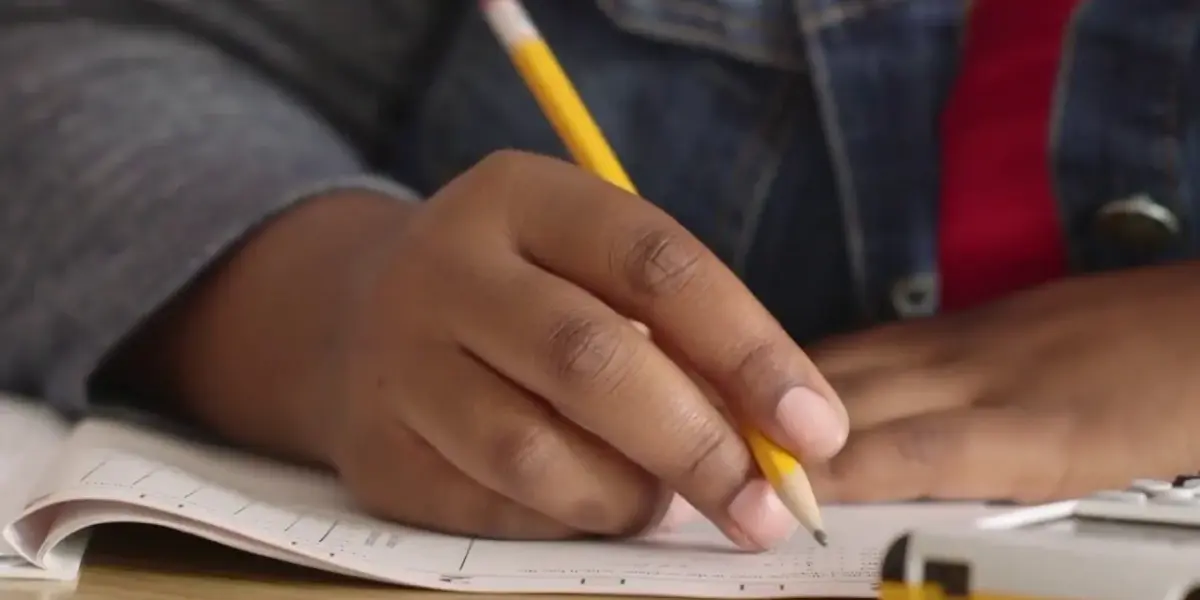
Students Embrace AI as SAT Season Arrives
As SAT season returns, students are increasingly turning to artificial intelligence, not just as a trending buzzword, but as a practical study partner and educational tool. The integration of AI into study routines is reshaping how students prepare for standardized tests, offering personalized assistance and time management support. For many, AI has become an indispensable aid, helping them navigate complex subjects and prepare for the high-stakes examination.
AI: A Breakthrough or a Threat in Education?
The role of AI in education sparks a dual perspective. Some view it as a revolutionary force that democratizes knowledge and expands access to learning opportunities. Billionaire entrepreneur Mark Cuban, whose foundation supports AI boot camps for high schoolers, champions this view, stating, “It’s not a threat. It’s a democratization of knowledge.” He believes AI empowers individuals with unprecedented access to information and learning resources.
However, this optimistic outlook is tempered by concerns from educational experts. A report by the Brookings Institution highlights potential risks, suggesting that the downsides of generative AI in children’s education may outweigh its benefits. Similarly, a study from MIT Media Lab indicated that participants relying on AI for essay writing demonstrated reduced brain engagement and weaker memory recall, raising questions about the long-term impact on cognitive development. These findings are particularly relevant given the significant role essays play in college applications.
The College Board’s Stance on AI and Standardized Testing
In response to the growing influence of AI, the College Board, the organization behind the SAT, emphasizes the critical importance of standardized testing. The Chief Information and Technology Officer at the College Board stated, “In a world where you can generate essays and consult AI when doing so much schoolwork, the ability to be tested in a secure, proctored environment where we’re really showing what you know and not what you can offload to AI has become more important.” This underscores the College Board’s commitment to ensuring that assessments accurately reflect a student’s individual knowledge and capabilities, rather than their ability to leverage AI tools.
The Resurgence of Standardized Testing
Standardized testing has found itself back in the spotlight. Following a trend during the COVID-19 pandemic where many colleges made tests optional—citing safety concerns and a desire to support historically disadvantaged student groups—several top institutions have since reversed that decision. This shift has renewed focus on the role and validity of standardized tests in the college admissions process. Companies like Ainzlie are emerging to help students navigate this evolving landscape, offering AI-powered test preparation services designed to meet the specific needs of modern learners.
“Our goals, our mission, you know, it’s to really help students be prepared. If AI can offer a way for us to accomplish that mission, then that’s a useful tool for us to use,” a representative from Ainzlie explained, highlighting the potential of AI as a supplementary tool for effective test preparation.
Ensuring Test Security in a Digital Age
The transition of the SAT to a digital format a few years ago was intended to enhance security and flexibility. The College Board asserted that the online format would provide a “better, more flexible test.” Despite these measures, concerns about cheating persist, especially with reports of test questions being sold on various platforms, particularly those based in China. The New York Times has reported on these issues, with tutors and testing experts raising alarms.
However, the College Board maintains that AI-driven cheating on the SAT is not currently an issue. They report that “AI is completely blocked by the platform that students use when they are testing,” ensuring the integrity of the examination environment. This technological safeguard aims to prevent students from using AI during the test itself.
The Evolving Landscape of College Admissions
As AI continues to transform the educational sphere, admissions consultants suggest that other aspects of the college application process may gain even greater significance. The focus might shift towards qualities that are inherently human and difficult to replicate with AI, such as leadership, initiative, and making a tangible impact on the world. One admissions consultant noted, “Looking at leadership qualities, impact qualities like people who are making a difference in the world. Honestly, that’s what the system is designed to do. I don’t see that really changing. Those are the things you can’t fake.” This perspective suggests that while AI can assist with certain academic tasks, genuine character and real-world contributions will remain paramount in demonstrating a student’s potential and suitability for higher education.
Looking Ahead
The ongoing integration of AI into education presents both unprecedented opportunities and significant challenges. As students continue to leverage AI for learning and test preparation, and as institutions grapple with maintaining academic integrity, the coming years will likely see further innovation in both educational tools and assessment methods. The debate over AI’s role in fostering critical thinking versus its potential to undermine it will undoubtedly continue, shaping the future of learning and college admissions.
Source: Students take advantage of artificial intelligence while studying for SAT (YouTube)

Related Articles


NJ Teacher Uses AI Chatbot to Boost Student Writing Scores
A New Jersey teacher has developed an AI chatbot to help students improve their writing skills, leading to a 22% increase in pass rates. The tool provides instant feedback and targeted guidance, acting as a valuable supplement to traditional instruction. The teacher emphasizes that AI is a tool to assist educators, not replace the crucial human element in teaching.


Sora’s Future Uncertain Amidst AI Video Strife
OpenAI's highly anticipated Sora text-to-video model may be facing internal delays, casting doubt on its public release. This comes as competitors rapidly advance their own AI video generation technologies, intensifying the race for AI supremacy in content creation.


AI Sparks Trust Crisis in Publishing and Law
AI's growing capabilities are causing significant trust issues in both the publishing and legal industries. A novel was canceled over AI writing claims, while courts are seeing an increase in fabricated legal citations. These incidents highlight the urgent need for verification and oversight as AI becomes more integrated into professional workflows.