Trump Urges Allies to Secure Strait of Hormuz Amid Escalating Conflict
President Trump is urging international partners to contribute naval forces to secure the Strait of Hormuz amidst escalating conflict with Iran. The waterway's closure threatens global oil supplies, causing prices to surge and raising fears of an energy shock. Allies are responding cautiously, with Germany rejecting direct military involvement.

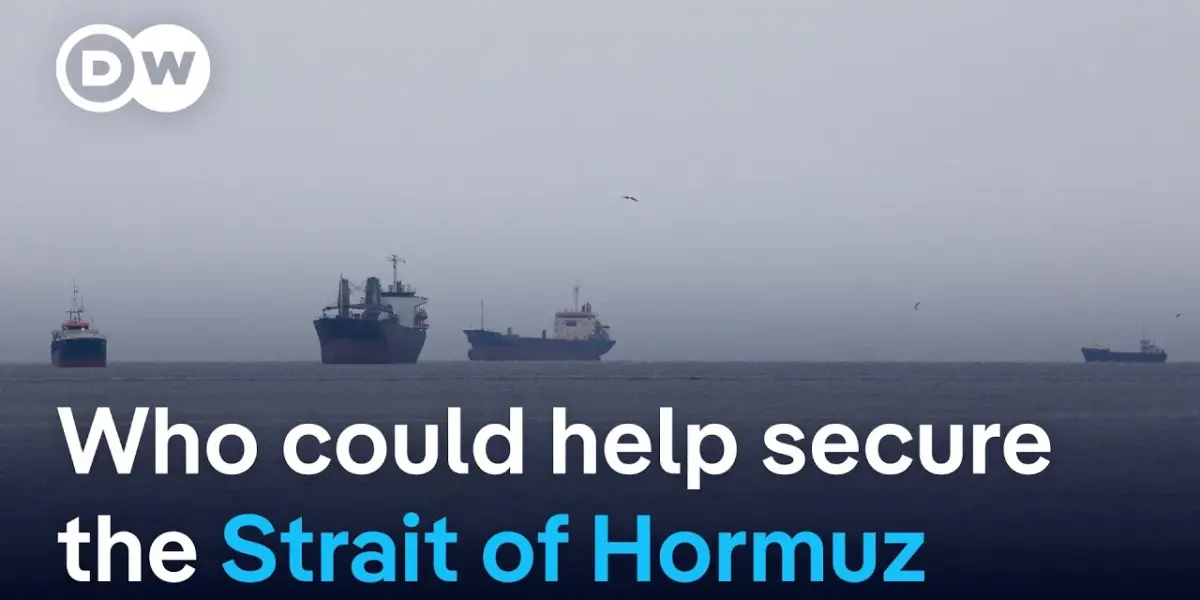
Global Oil Flow Threatened as Trump Seeks International Naval Support
In a significant escalation of the ongoing conflict with Iran, U.S. President Donald Trump has formally called upon a coalition of international partners to contribute naval forces to secure the vital Strait of Hormuz. The waterway, critical for global energy markets, is currently under threat, prompting urgent calls for collective action. This move comes amidst a backdrop of surging oil prices and fears of a deepening energy shock, with the situation highlighting the fragility of the current global energy system.
A Call for Reinforcements: Targeting the Strait of Hormuz
The Strait of Hormuz, a narrow chokepoint through which approximately 20% of the world’s oil supply passes daily, has become the focal point of the escalating tensions. President Trump, via his social media platform Truth Social, directly appealed to nations including China, France, Japan, South Korea, and the United Kingdom, urging them to deploy ships to the region. His message was clear: these countries, directly impacted by the “artificial constraint” imposed by Iran, should actively participate in ensuring the strait remains open and free from threat. Trump has also reportedly pressed NATO to join the effort, warning of dire consequences for the alliance should it refuse.
“Hopefully, China, France, Japan, South Korea, the UK, and others that are affected by this artificial constraint will send ships to the area so that the Hormuz Strait will no longer be a threat by a nation that has been totally decapitated.”
– Donald Trump, via Truth Social
Allies Respond with Caution and Conditions
The response from key allies has been mixed, characterized by caution and a reluctance to be drawn into direct military confrontation. The German government, through its Defense Minister Boris Pistorius, issued a clear rejection of participating in what it deemed “not NATO’s war.” Pistorius questioned the efficacy of a limited European contribution, stating, “What does Donald Trump expect a handful of European frigates will accomplish in the Strait of Hormuz. That, which the powerful American Navy cannot achieve on its own.” This sentiment underscores a broader European desire to avoid direct involvement in the conflict, despite acknowledging the shared goal of regime change in Iran.
Adding to the confusion, President Trump’s messaging to allies has appeared contradictory at times. While recently telling the UK that their ships were not needed, he has since expressed a wish for them to have intervened sooner and more decisively. A White House spokesperson indicated that the President continues to engage with allies, calling on them to “do more,” drawing parallels to his previous demands for increased defense spending within NATO.
Energy Market Volatility and Geopolitical Risk
The conflict has sent shockwaves through global energy markets. Oil prices have surged past $100 per barrel since the war began, with analysts warning of further price hikes if the blockage persists. Henning Glostein, Managing Director for Energy Industry and Resources at Eurasia Group, a leading geopolitical risk consultancy, highlighted the severity of the situation.
Glostein noted that a key miscalculation prior to the conflict was the anticipated strength of Iran’s retaliation. “The retaliation we’ve seen by Iran has been much stronger than most anticipated, including probably the United States government,” he stated. Iran’s targeted attacks on energy and civilian infrastructure, particularly in the Gulf countries and on shipping, have been more impactful than expected, even if not at Iran’s maximum capacity.
The International Energy Agency has described the current situation as the “largest supply disruption in the history of the global oil market.” Glostein concurred, emphasizing the widespread impact, particularly on the Indo-Pacific region, which receives approximately 80% of the oil and natural gas flowing from the Gulf. Europe, while less exposed than during the 2022 energy crisis, is still affected.
Iran’s Position and Strategic Calculations
Despite facing severe attacks from the U.S. and Israel, Iran’s leadership has vowed to maintain the closure of the strait to “enemy nations.” Glostein described Iran’s position as precarious, acknowledging the significant depletion of its missile stockpiles and the destruction of launch sites. However, he also pointed out that Iran is not yet retaliating at its maximum effort, with hundreds of tankers still unaffected. For the Iranian government, survival and the continuation of the current regime are viewed as victory.
The Path Forward: Unilateral Action or De-escalation?
The prospect of the U.S. escorting tankers unilaterally through the Strait of Hormuz is seen as potentially destabilizing, likely leading to increased public criticism from President Trump towards allies who do not contribute. This could result in a preferential treatment of supplies benefiting the U.S. and its closest partners, an outcome not considered beneficial for the global economy.
However, Glostein expressed optimism that should a de-escalation occur, international naval efforts to ensure freedom of navigation would likely materialize. Several European nations, including France, Greece, Italy, Spain, and the Netherlands, possess naval assets that could be deployed. India has also indicated a potential willingness to support freedom of navigation, particularly to aid the UAE, a strategic ally. Japan, heavily reliant on Gulf energy supplies, is another potential contributor.
Long-Term Energy Dependencies
The ongoing crisis has also raised questions about potential shifts in long-term energy dependencies. While Glostein dismissed the idea of Europe becoming completely dependent on U.S. oil and liquefied natural gas, he acknowledged the possibility of increased reliance. This aligns with stated U.S. policy aiming for energy dominance through increased exports to allies. Nonetheless, the immediate focus remains on navigating the current disruption and preventing further escalation in the critical Strait of Hormuz.
Source: Trump calls on other countries to help secure the Strait of Hormuz | DW News (YouTube)

Related Articles
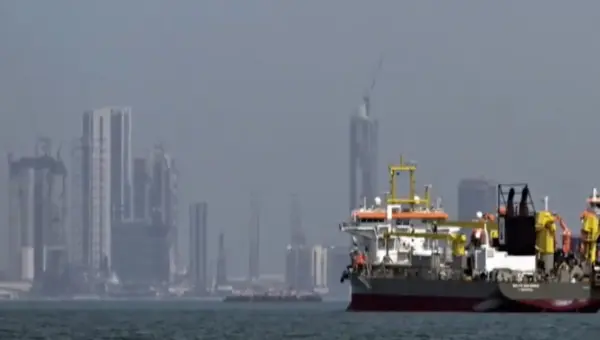
Iran Blocks China Ships, Exposing Beijing’s Weak Grip
Iran's recent decision to block Chinese ships at the Strait of Hormuz is exposing the limits of Beijing's influence in the Middle East. This action is causing delays and cancellations for Chinese manufacturers, turning a perceived geopolitical win into an economic strain.
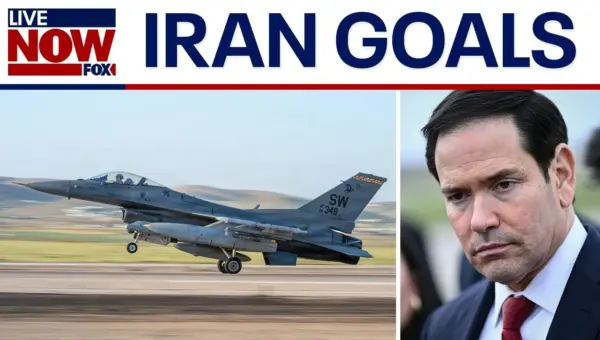
Rubio: US Can Achieve Iran War Goals Without Troops
Senator Marco Rubio outlined a strategy to counter Iran without deploying U.S. ground troops, focusing on weakening the regime and enhancing maritime security. He also criticized Cuba's economic system and expressed concerns about West Bank violence.


Israel Escalates Iran Strikes, Warns of Wider War
Israel has launched significant strikes inside Iran following continued missile fire, warning of further escalation. The conflict risks wider regional instability and economic disruption, especially concerning the Strait of Hormuz.