Iran’s Energy Grip Weakens as U.S. Builds Coalition
The U.S. is assembling an international coalition to counter Iran's influence over global energy exports, focusing on securing the Strait of Hormuz. This strategic move aims to diminish Iran's role as a major energy supplier and mitigate associated geopolitical risks.

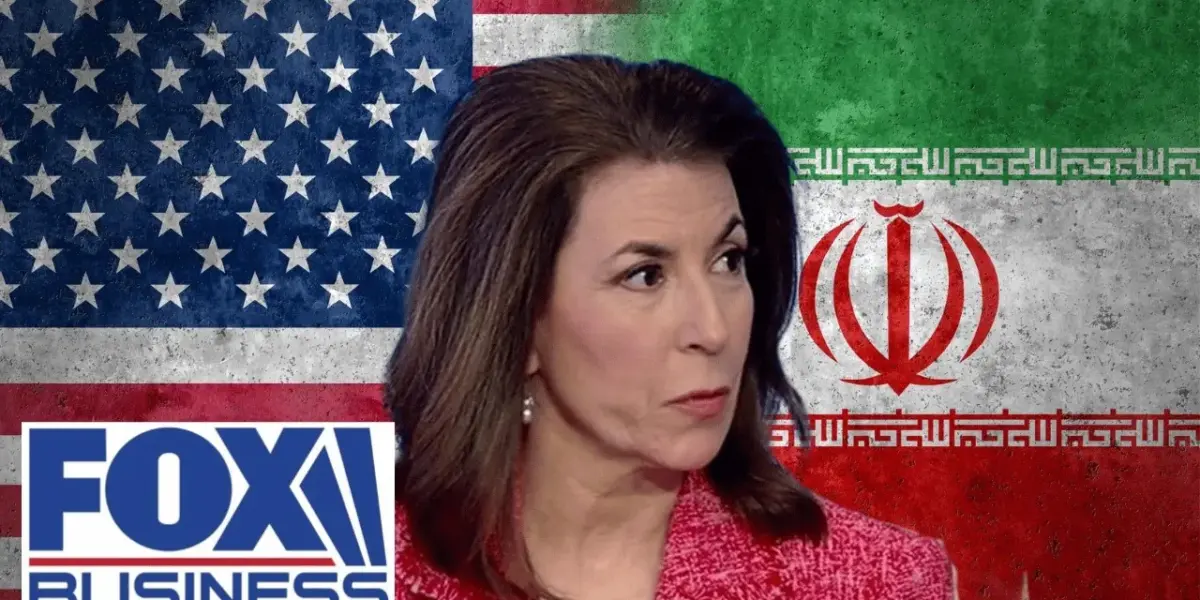
Iran’s Energy Grip Weakens as U.S. Builds Coalition
A significant shift in global energy dynamics is underway as the United States aims to curtail Iran’s influence over a substantial portion of the world’s energy supply. The Trump administration is reportedly working to assemble an international coalition to address what it describes as Iran’s “criminal entity” status and its long-standing control over approximately 20% of global energy exports. This move, according to sources familiar with the administration’s strategy, is intended to end a decades-long status quo that has been deemed detrimental to global security and stability.
Strait of Hormuz Under Scrutiny
Central to the unfolding situation is the Strait of Hormuz, a critical chokepoint for global oil transportation. U.S. officials have indicated that the waterway is currently considered unsafe for transport, highlighting the risks associated with Iran’s activities. The administration is actively seeking international partners to help manage this risk and ensure the continued flow of energy supplies without Iranian obstruction or threat. This collaborative approach underscores the global nature of energy security, which is increasingly being framed as a national security imperative.
Decimated Military Infrastructure
Reports suggest that Iran’s military infrastructure has been significantly degraded, reducing the nation to launching attacks from shorelines rather than engaging in more direct confrontations. This weakened state is seen as a key factor enabling the U.S. to pursue its objectives more effectively. The administration believes that by isolating Iran and disrupting its revenue streams, it can force a change in its behavior on the international stage.
Coalition Building and Diplomatic Efforts
President Trump is reportedly prioritizing the formation of a coalition to address the challenges posed by Iran. This diplomatic effort aims to gather countries willing to support the initiative, signaling a preference for international cooperation over unilateral action. While acknowledging potential short-term disruptions, the administration is committed to seeing this through, asserting that the long-term benefits for global stability outweigh the immediate challenges. White House statements indicate that an announcement regarding these efforts is expected soon, with a focus on swift, effective, and conclusive action.
Broader Security Concerns
Beyond energy security, the U.S. is also reportedly monitoring Iran’s nuclear program, specifically concerning reports of enriched uranium. While specific actions regarding this aspect remain undisclosed, officials have stated that the President has all necessary tools and resources at his disposal to make decisions that protect American interests and global security. The emphasis is on decisive action that prevents terrorist entities from controlling critical global resources and posing risks to other nations.
Market Impact and Investor Considerations
The geopolitical developments surrounding Iran’s energy exports and its strategic position in the Strait of Hormuz carry significant implications for global energy markets. Any disruption or perceived threat to supply can lead to price volatility in crude oil and refined products. Investors and market participants will be closely watching the progress of coalition-building efforts and the effectiveness of U.S. policy in mitigating risks associated with Iranian activities. The long-term impact will depend on the sustained success of these measures in stabilizing energy flows and reducing geopolitical tensions in the region.
What Investors Should Know
- Energy Price Volatility: Geopolitical tensions in the Middle East, particularly involving major oil producers like Iran, can directly influence crude oil prices. Investors should be prepared for potential short-term price swings.
- Global Supply Chain Risks: The Strait of Hormuz is a vital artery for global energy trade. Any significant disruption here impacts not only oil prices but also the broader supply chain for energy products.
- Geopolitical Risk Premium: The market often prices in a “geopolitical risk premium” for oil when tensions rise in key producing regions. This can elevate prices even if physical supply disruptions are not immediate.
- Shifting Alliances: The U.S. effort to build a coalition highlights the importance of international diplomacy in energy security. The success of these alliances will be a key factor in market stability.
- Long-Term Energy Transition: While immediate concerns focus on Iranian supply, broader trends in the energy sector, including the transition to renewables and shifts in production from other regions, will also shape long-term market dynamics.
Source: 'CRIMINAL ENTITY': Iran's dynamic is COMING TO AN END, Tammy Bruce says (YouTube)

Related Articles


Iran Targets US With Cyberattacks, Escalating Digital Warfare
Iran is increasingly using cyberattacks to challenge the U.S., as seen in a recent hack of the FBI director's account. Experts say this is a strategic shift due to Iran's limitations in conventional warfare. The U.S. needs to strengthen its digital defenses, focusing on encryption and cloud computing, rather than solely relying on traditional security measures.


Iran Hacks FBI Chief, Exposing U.S. Cyber Vulnerabilities
A recent hack of FBI Director Kash Patel's personal email by an Iran-linked group highlights Iran's growing cyber threat to the U.S. Experts explain how simple security oversights are exploited, emphasizing the need for basic defenses like two-factor authentication to protect against propaganda and potential infrastructure attacks.

Ukraine Strikes Russian Oil Refinery, Eyes Iran Threat
Ukrainian forces struck a key Russian oil refinery, disrupting Moscow's war capabilities. Meanwhile, Finland's president urged continued U.S. support for Ukraine, as Kyiv shares its air defense expertise globally amid growing geopolitical complexities involving Iran and potential sanctions against Hungary.